


If you’ve ever spent $30 or more on a foundation that looked completely off the moment you stepped outside, you’re not alone. The culprit is almost never the formula — it’s the undertone. And for the millions of people with warm undertones, choosing the wrong shade can turn a beautiful complexion into something that looks orange, muddy, or inexplicably dull by midday
Warm undertone foundation shades are not simply “yellower” versions of neutral shades. They’re specifically engineered to complement the golden, honeyed, or peachy warmth that lives beneath your skin’s surface. Once you understand how undertones work — and how to identify yours — foundation shopping stops being a guessing game and starts being a science.
In this guide, I’m going to walk you through everything: what warm undertones actually are, how to identify them accurately at home, which shade names to look for across skin depths, and the most common mistakes that send even seasoned foundation wearers in the wrong direction.
What Are Warm Undertones? A Professional Definition
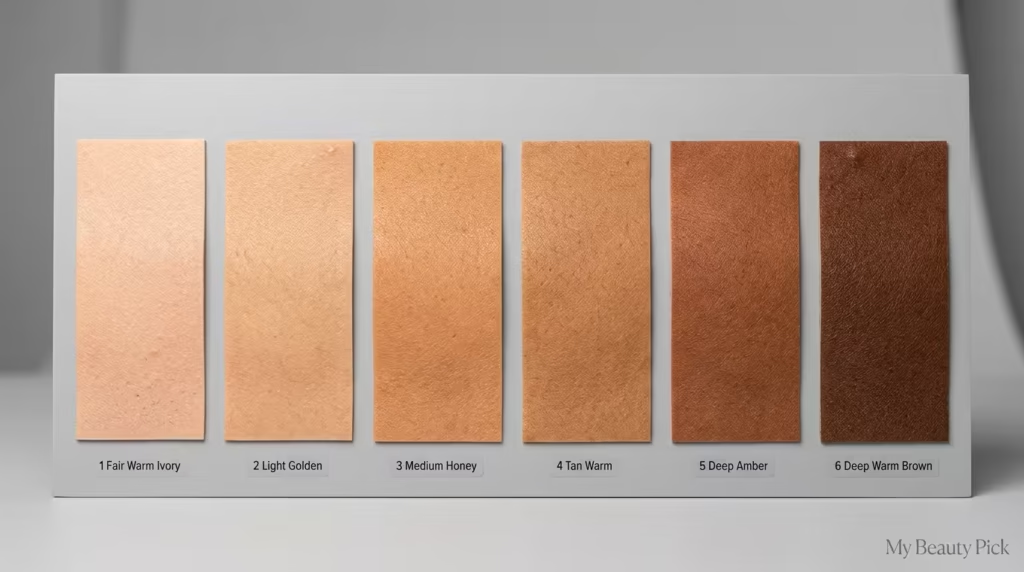
In makeup science, undertone refers to the subtle hue that shows through the surface of your skin, regardless of how light or dark your complexion is. It’s not the same as skin tone — your skin tone can change with a tan, illness, or the season. Your undertone stays the same throughout your life.
The three main undertone families are warm, cool, and neutral.
Warm undertones are characterised by underlying hues of gold, yellow, peach, honey, or amber. When light hits the skin, these tones give a sun-kissed, lit-from-within quality. Think of the difference between a raw linen fabric and a crisp white sheet — both are light in colour, but one carries unmistakable warmth.
People with warm undertones span every skin depth, from porcelain to deep ebony. A fair-skinned person with golden undertones and a deep-brown person with honey undertones are both “warm” — they just need very different foundation depths to match.
How to Identify Your Warm Undertones
Before you invest in a single foundation, run through these four at-home tests. No single test is definitive on its own, but together they paint a clear picture.
1. The Vein Test
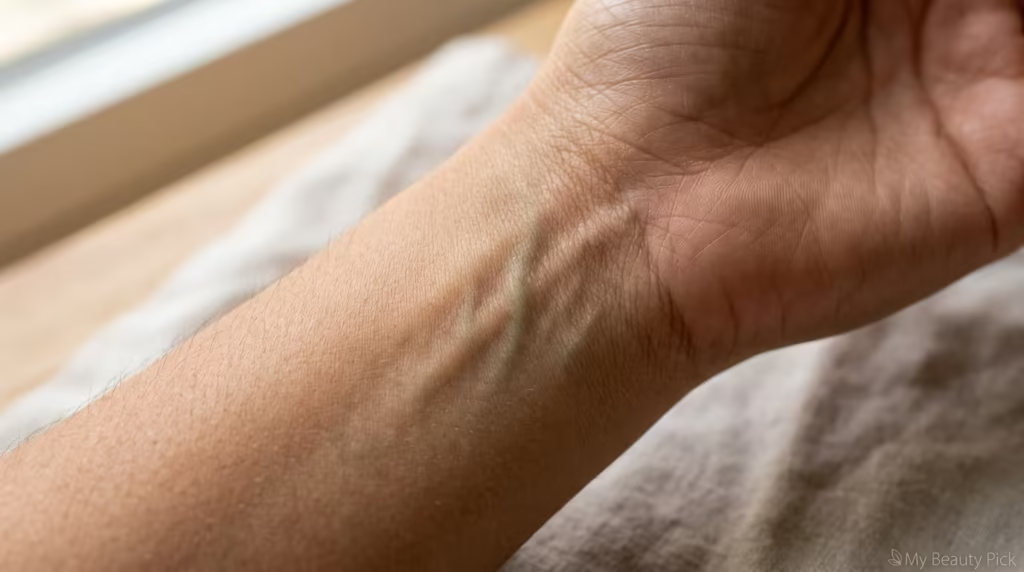
Turn your wrist over and look at the veins in natural daylight — not under fluorescent lighting. If your veins appear green or olive, you have warm undertones. Cool undertones push veins toward blue or purple. Neutral undertones often see a mix of both.
2. The Jewellery Test

This is one of the most reliable tests in my experience. Hold a piece of gold jewellery against your bare skin, then swap it for silver. Whichever metal makes your skin look more radiant, healthy, and glowing is your match. Gold flattering you more = warm undertones. Silver = cool undertones.
3. The White Fabric Test

Hold a piece of crisp white fabric next to your bare, clean face in daylight. Does your skin look yellowish or peachy against the white? That’s a warm undertone signal. Does it look pink or rosy? You’re likely cool-toned.
4. The Sun Reaction Test

Pay attention to how your skin responds to sun exposure. Warm-toned skin tends to tan quickly and develop a golden glow rather than burning and going red. The tanning reaction is driven by the same melanin warmth that characterises warm undertones.
Warm Undertones Across Every Skin Depth
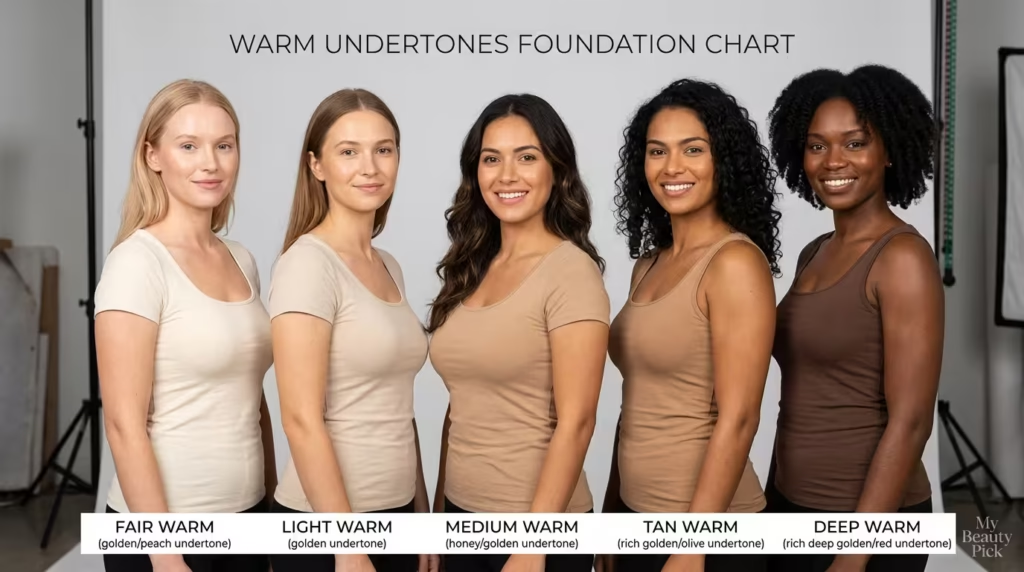
One thing that confuses a lot of people is assuming that “warm” equals a certain skin tone. It doesn’t. Here’s how warm undertones present across the full depth spectrum.
Fair warm undertones — The skin is very light, but instead of appearing pink or porcelain-cool, there’s a faint golden or ivory warmth. In sunlight, fair warm skin often looks like fresh cream rather than pure white.
Light warm undertones — A light skin tone with visible peach, yellow, or honey tones. This depth is particularly prone to foundation mismatch because light neutral shades often lean pink or grey, which creates immediate contrast.
Medium warm undertones — One of the most common combinations globally. Medium warm skin tends to tan to a beautiful olive or golden depth and looks stunning in earthy tones. Foundation here often carries names like “warm beige,” “honey,” or “golden sand.”
Tan warm undertones — A deeper medium tone with pronounced golden or caramel warmth. Cool-toned foundations read ashy and flat on this depth, making the wrong formula look almost grey against the skin.
Deep warm undertones — Deep, rich skin with amber, bronze, or mahogany warmth running through it. Choosing a cool or neutral deep foundation here often strips the complexion of its natural luminosity and vibrancy.
Best Foundation Shade Names for Warm Undertones
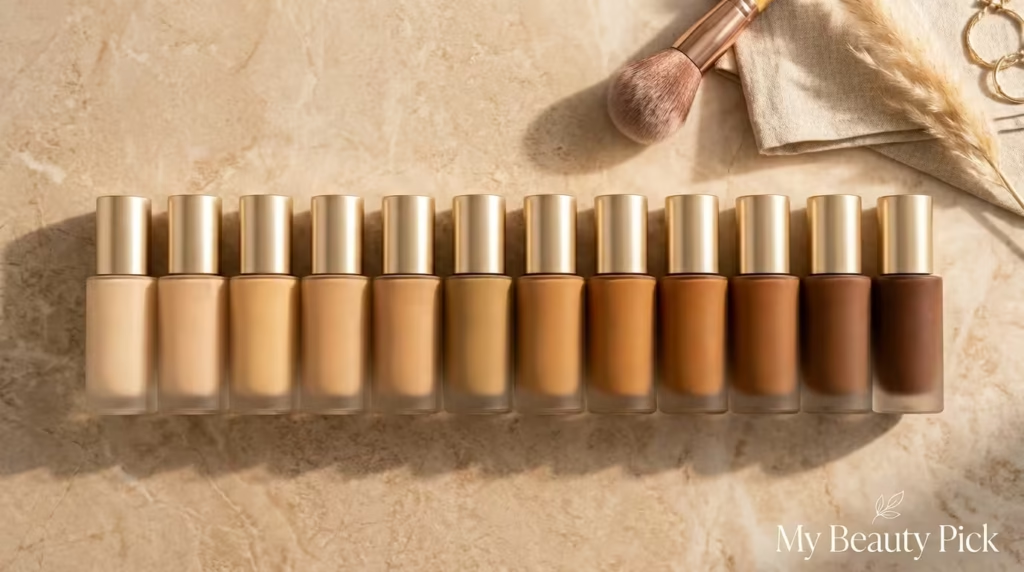
One of the most practical skills I teach in professional makeup training is how to decode foundation naming conventions. Brands vary wildly in their systems, but warm undertone foundations almost always use specific language. Look for these terms on the label or online:
- Warm Ivory — fair depth, warm golden base
- Warm Beige — light to light-medium, peachy-golden tone
- Golden Beige — a slightly deeper, more golden version of warm beige
- Honey — light-medium, amber-yellow warmth
- Warm Sand — medium depth with muted golden undertone
- Golden Tan — medium to tan depth, rich golden base
- Caramel — tan to medium-deep, warm amber-brown
- Warm Mocha — deep warm, rich brown with golden/red warmth
- Amber — deep, bronze-warm tone
When a shade name contains the word “warm,” “golden,” “honey,” “caramel,” or “sand,” it’s usually signalling warm undertone formulation. Conversely, words like “porcelain,” “rose,” “cool,” or “ivory” without a warm modifier often indicate cool or neutral leanings.
Foundation for Warm Undertones: Matching by Skin Depth
Here’s a practical shade-matching framework to use as a starting point when shopping — whether in-store or online.
Fair/Light Warm Undertones
Look for shades labelled warm ivory, light beige, or golden ivory. Avoid anything with “pink” or “rose” in the name. The foundation should look slightly yellow on the back of your hand — that’s correct for your undertone.
Medium Warm Undertones
Warm sand, golden beige, and honey shades are your sweet spot. In this range, oxidation (where a foundation darkens or shifts on the skin after application) is especially common, so always wait 10–15 minutes after swatching before making a decision.
Tan Warm Undertones
Golden tan, warm caramel, and medium golden are reliable starting points. Many brands offer “NC” (neutral-cool) and “NW” (neutral-warm) systems — NW shades in the mid-range are typically well-suited to tan warm undertones.
Deep Warm Undertones
Warm mocha, golden mahogany, and deep amber shades are your core range. The foundation should look richly warm and bronzy, never flat or cool-brown. Deep warm undertones often suit foundations with red-warm secondary pigments.
Common Mistakes When Choosing Foundation for Warm Undertones
I’ve corrected these mistakes hundreds of times in my training sessions. They’re more common than most people realise.
Choosing Neutral When You Need Warm
Neutral foundations are not the safe middle ground people assume them to be. On warm-undertoned skin, a neutral foundation often reads as grey, flat, or slightly ashy — especially in photographs. Don’t play it safe with neutral; commit to warm.
Going Too Pink or Too Grey
This happens when people match to their surface tone rather than their undertone. A pink-based foundation will create visible contrast with warm skin, particularly along the jawline and neck. A grey-looking result usually means the formula is too cool for your undertone.
Ignoring Oxidation
This is the most underrated factor in foundation mismatch. Many foundations change colour after 15–30 minutes on the skin due to a reaction between the formula’s pigments and your skin’s natural oils and pH. A foundation that looks perfect in-store may deepen or shift orange by lunchtime. Always test a shade and check it again after 20 minutes.
Matching to Your Face Only
Your face doesn’t exist in isolation. If your foundation is significantly lighter, darker, or more orange than your neck and chest, the mismatch will be obvious in natural light and photographs. Swatch at the jawline and check the blend point against your neck.
How to Test Foundation Correctly
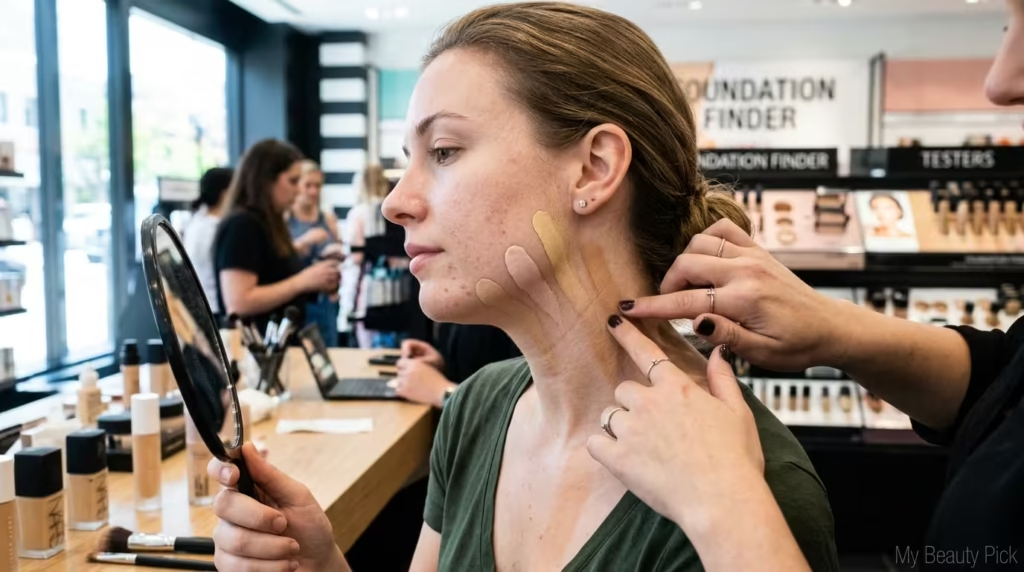
In my professional kit-building workshops, I teach a four-step testing protocol that dramatically reduces the chance of a wrong purchase.
Step 1 — Swatch at the jawline. This is the only correct swatch location. The back of your hand and your inner wrist are poor proxies because they’re different in depth and undertone from your face. Apply three shades along your jawline.
Step 2 — Check in natural daylight. Walk outside or stand near a window. Fluorescent and incandescent lighting distort undertones significantly. Natural daylight is the only honest mirror for foundation matching.
Step 3 — Wait for oxidation. Set a 15–20 minute timer and do not wipe the swatches. Check which shade has shifted and which has stayed true to your skin.
Step 4 — The blend test. Look at where the foundation meets your neck. The correct shade should disappear into the skin — no visible line, no colour shift. That’s your match.
Best Makeup Colours for Warm Undertones

Once you’ve nailed your warm undertone foundation, the rest of your complexion makeup should harmonise with the same warmth. Here’s what works beautifully.
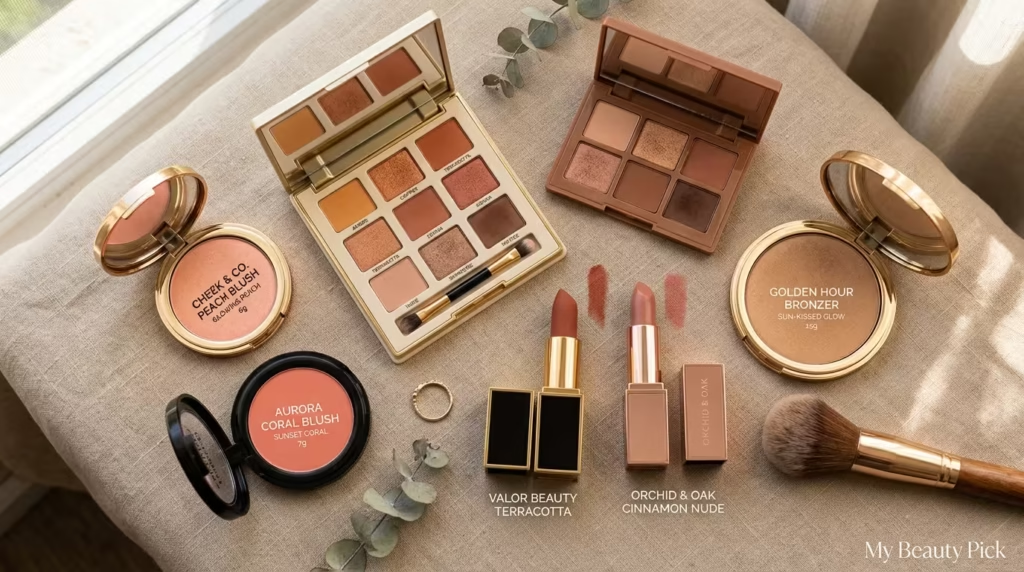
Blush: Reach for peach, coral, apricot, and terracotta blush shades. These complement the golden base of warm skin without washing it out. Rose and berry blushes can pull cool against warm undertones and create an unintentionally clownish contrast.
Bronzer: Choose golden bronze tones over dark brown or cool-taupe bronzers. A warm bronzer should look like a sun-kissed glow, not a muddy shadow. Golden bronze with slight shimmer works especially well on medium to deep warm skin.
Lipstick: Warm nudes, terracotta, cinnamon, peach, brick red, and earthy berry tones are your most flattering lip shades. Cool pink nudes and icy mauves can look stark or grey against warm skin. The rule of thumb: if the lip colour looks like it belongs on a terracotta pot, it probably suits you.
Eyeshadow: Warm browns, golds, bronzes, copper, and earthy olive tones are natural partners for warm undertones. These shades pick up the golden warmth in the skin rather than fighting it.
Warm vs Neutral Undertones: How to Tell the Difference
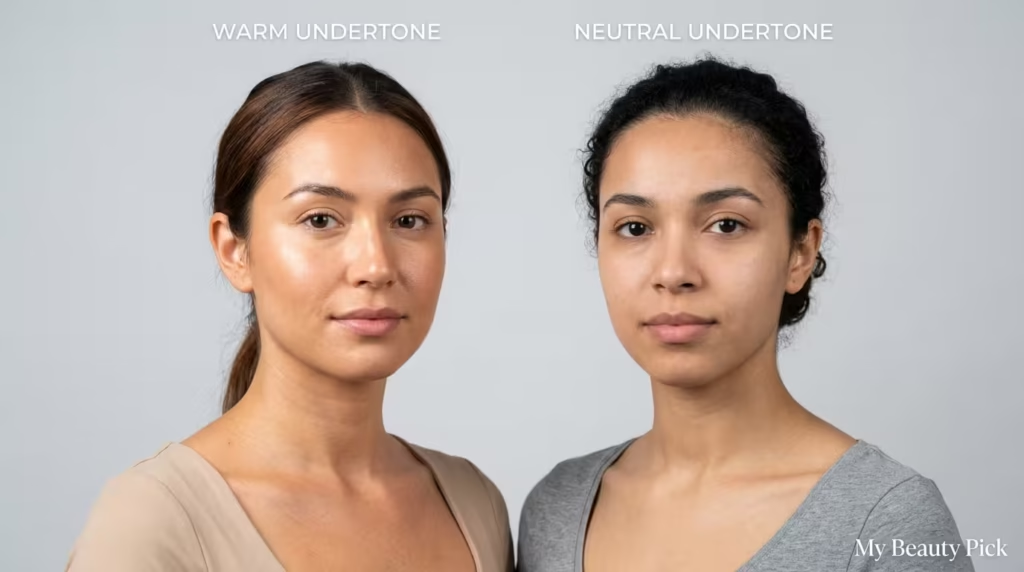
This is the question I get most from students who are confused between these two categories.
Warm undertones have a clear golden, yellow, or peachy base. In natural light, the skin has a luminous, sun-kissed quality even without bronzer.
Neutral undertones sit between warm and cool. The skin may show a mix of warm and cool characteristics depending on lighting, and both gold and silver jewellery look acceptable (though perhaps not equally flattering).
The key difference in practice: if a warm foundation looks natural and skin-like, you’re warm. If it looks slightly orange or too yellow, you may be neutral — meaning you need a foundation that blends yellow-warm with a cooler base.
Quick decision guide:
- Veins look green + gold jewellery flatters + tanning easily → warm
- Veins look mixed + both metals acceptable → neutral leaning warm
- Veins look blue/purple + silver flatters more → cool
If you’re genuinely between warm and neutral, look for foundations labelled “neutral warm” or “NW” — these sit comfortably on the warmer side of neutral without going full golden.
Frequently Asked Questions
Q: Can I have warm undertones but fair skin? Yes, absolutely. Undertone and skin depth are independent. Fair skin with warm undertones is extremely common — these complexions often have ivory or peachy-golden tones, tan easily, and look best in warm ivory or light golden beige foundations.
Q: Why does my foundation look orange? An orange result almost always means the foundation is too warm and too deep for your skin, or it has oxidised more than expected. Start by trying the same shade name one depth lighter, and check for oxidation before purchasing.
Q: What’s the difference between golden undertones and yellow undertones? These are closely related. Yellow undertones are a cooler, more neutral expression of warmth — think muted ochre. Golden undertones carry more brightness and luminosity. Both are warm, but golden skin tends to look more radiant in the sun while yellow undertones can appear more olive in flat lighting.
Q: Is olive skin always warm undertone? Not always. Olive skin can be warm, neutral, or even slightly cool depending on the individual. Olive complexions have green-grey undertones that sometimes read as neutral-warm and sometimes as neutral-cool. If you have olive skin, test thoroughly rather than assuming warmth.
Q: Do warm undertones suit dewy or matte finishes? Both can work beautifully. However, a dewy or luminous finish often enhances the natural glow of warm undertones, particularly at medium to deep depths. Very oily warm-toned skin may prefer a satin finish that controls shine without flattening the warmth.
Q: My foundation matches in-store but looks wrong at home. Why? Almost certainly a lighting issue. In-store fluorescent lighting distorts foundation colour. Always test in natural daylight before committing to a purchase, and ideally test on the jawline and check it 20 minutes later.
Q: Can warm undertones wear cool-toned lip colours? Yes — makeup is an art form, not a formula. While warm lip shades are universally flattering on warm undertones, a cool berry or plum lip can create a beautiful deliberate contrast when worn with a correctly matched foundation. The rule only matters when you want everything to harmonise naturally.
Final Thoughts: The Right Foundation Changes Everything
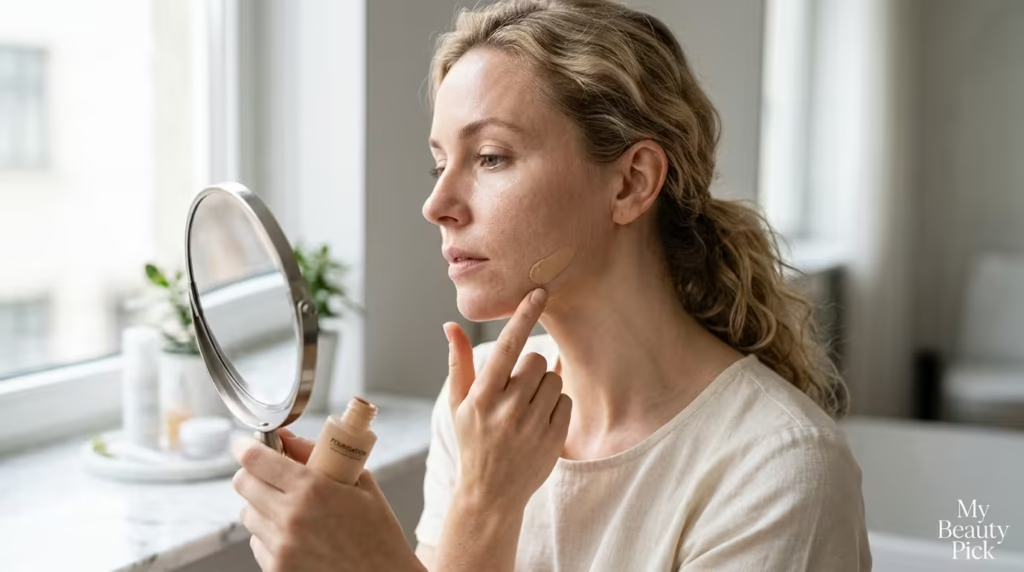
Finding the perfect warm undertone foundation shades is genuinely one of the most transformative things you can do for your makeup routine. When the undertone is right, your skin looks like your skin — only better. There’s no orange cast along the jaw, no grey flatness in photos, no ashy finish in daylight.
Start with the four undertone tests. Learn the shade name vocabulary. Swatch at the jawline, wait for oxidation, and always check in natural light. These aren’t extra steps — they’re the difference between a foundation that sits on your face and one that disappears into it.
Your undertone is fixed. Your foundation should honour it.