

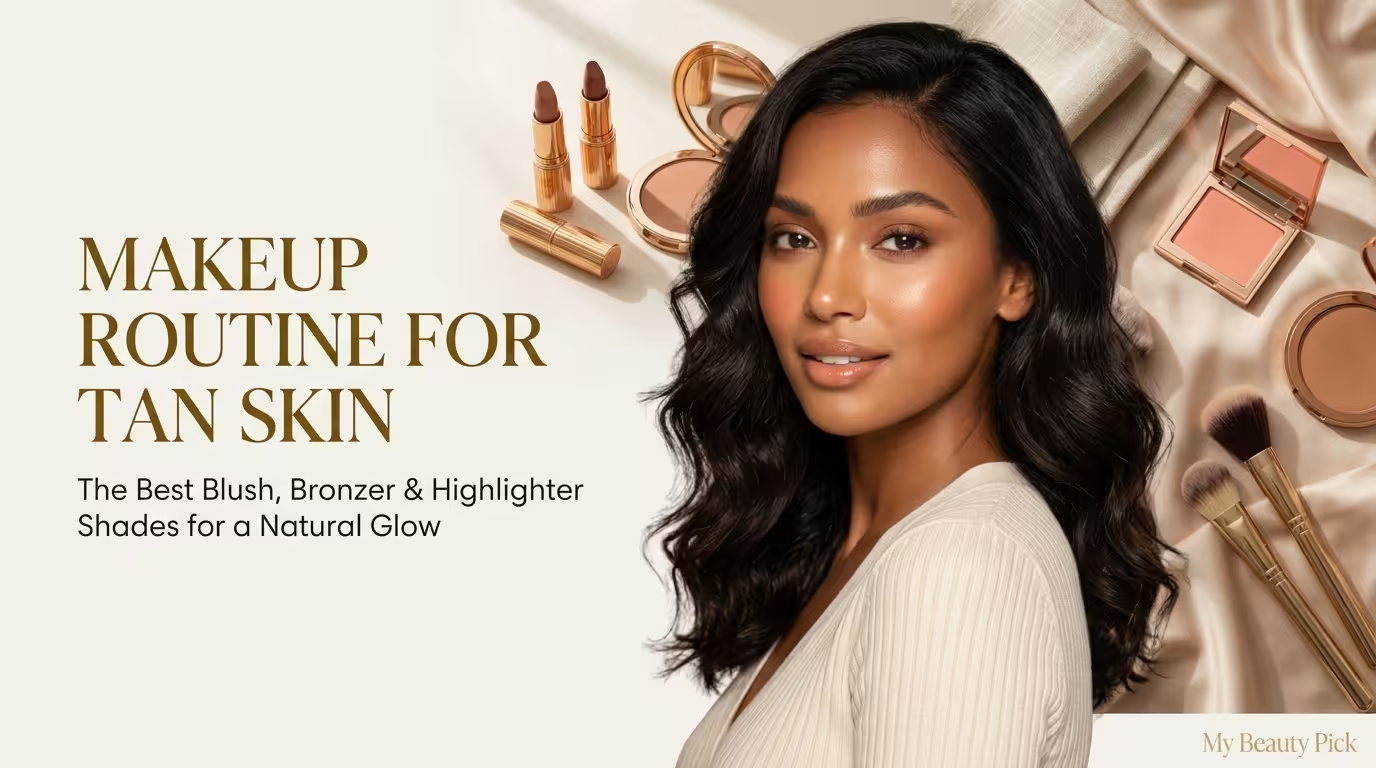
Building an effective makeup routine for tan skin means understanding one thing above all else: your complexion already carries depth, warmth, and natural luminosity. The moment you introduce the wrong blush, bronzer, or highlighter, that warmth gets cancelled out — leaving skin looking ashy, dull, or flat. This guide focuses entirely on color products: which shades complement tan skin tones, how undertones determine every single choice, and how to layer them for a natural glow makeup routine that looks genuinely skin-like.
Why Color Products Matter in a Makeup Routine for Tan Skin
Foundation and concealer set the base, but blush, bronzer, and highlighter create dimension. They are the tools that make skin look three-dimensional, healthy, and alive. Without them, even a perfectly matched base can appear one-note.
For tan complexions specifically, the stakes are higher. Use a blush that is too cool, a bronzer that is too orange, or a highlighter that is too icy — and the entire look collapses. The goal is always the same: enhance warmth, add depth, and amplify the natural glow that tan skin already has. Undertones are the starting point for every decision.
Understanding Undertones First
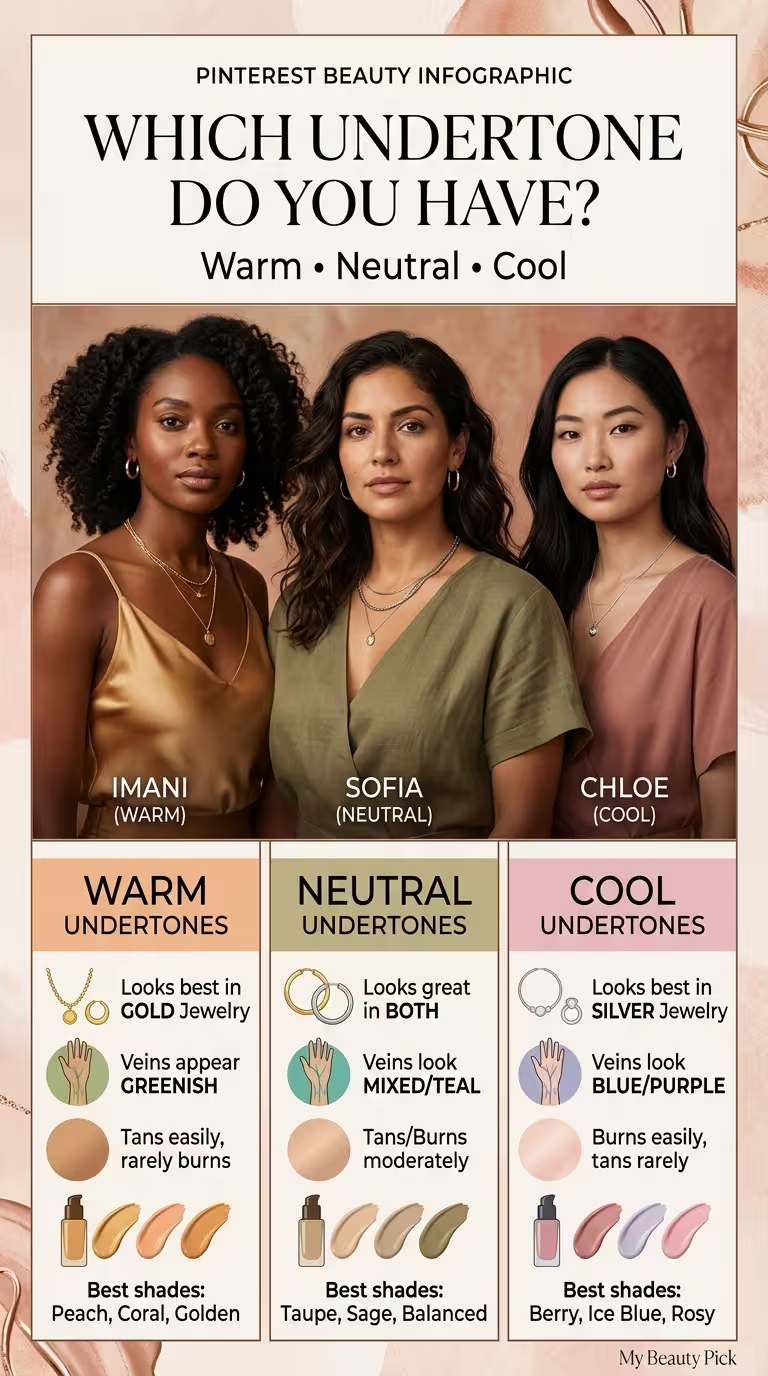
Before picking a single product, identify your undertone. It controls how blush pigments read on skin, whether a bronzer looks golden or muddy, and whether a highlighter glows or turns grey. Tan skin is not one thing — it spans a spectrum of undertones.
Warm Undertone
Golden, yellow, or olive hints. Most common in tan skin. Works best with peach, coral, and golden-brown shades.
Neutral Undertone
Balanced mix of warm and cool. Versatile — can wear both peach and soft rose shades without looking off.
Cool Undertone
Subtle pink or rosy cast in a tan complexion. Suits berry blush tones and rose-gold highlighters over warm orange shades.
Undertone Quick Test
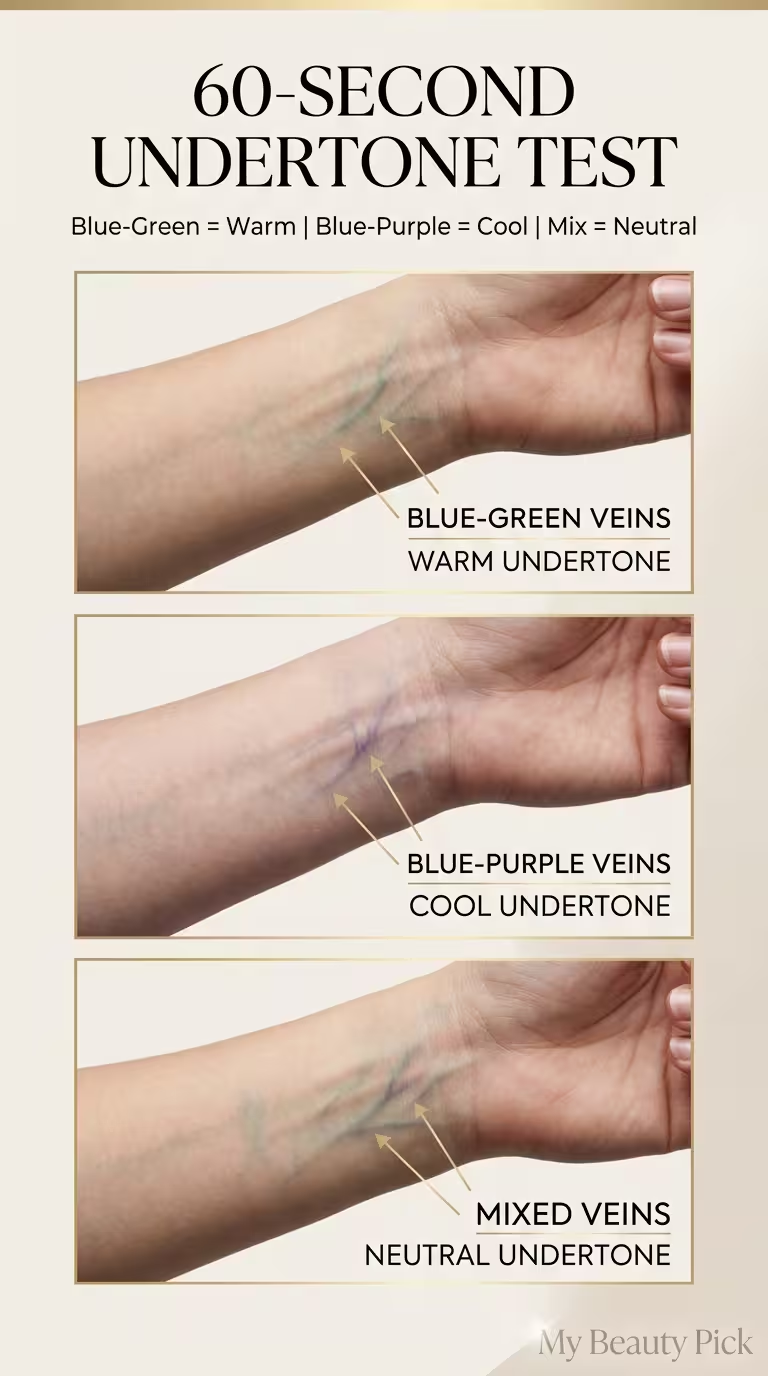
Check the veins on your inner wrist in natural light. Blue-green veins signal warm undertones; purple-blue veins indicate cool. A mix of both means neutral. This single step will save you from buying the wrong blush shade.
Best Blush Shades for Tan Skin
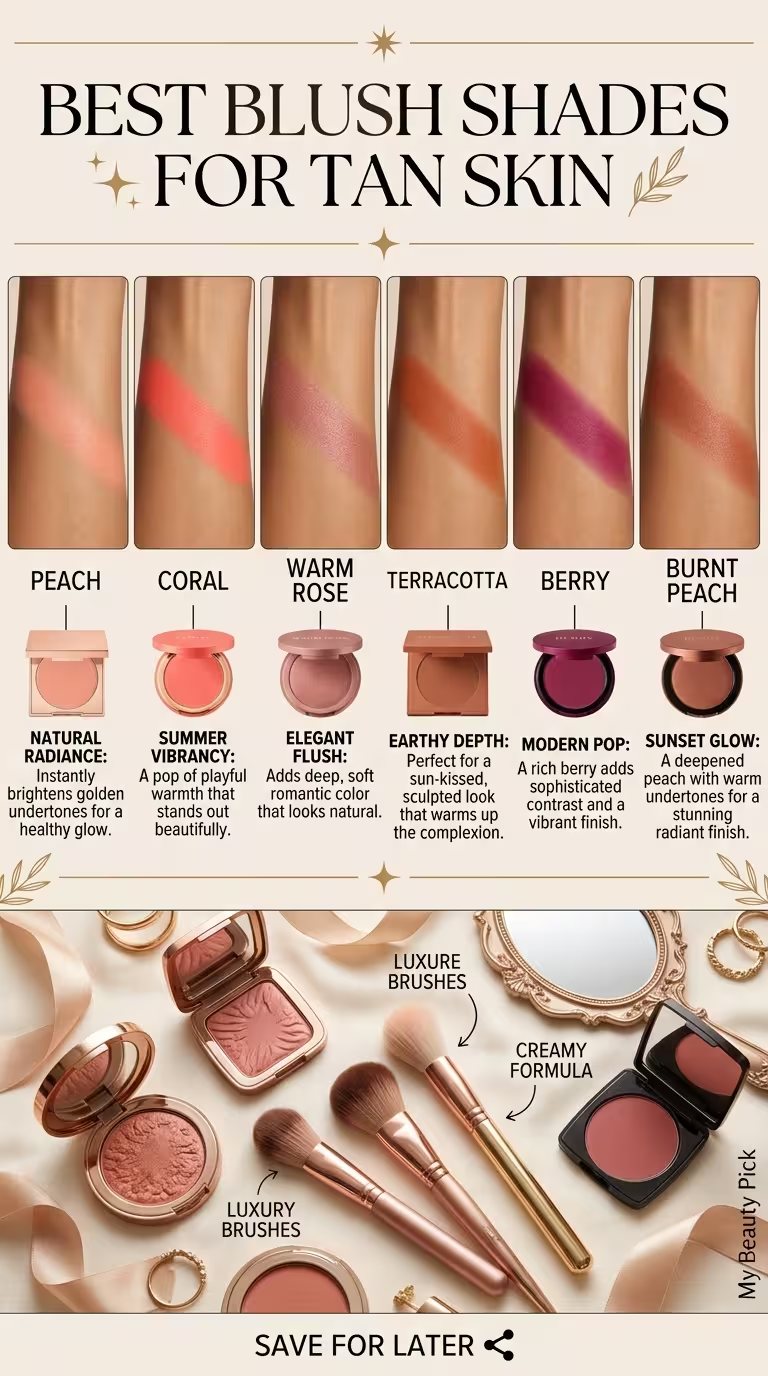
Blush for tan skin needs pigment payoff that shows up without reading muddy. The key is choosing tones that sit within the warm-to-neutral spectrum — shades that mimic a natural flush on tan complexions rather than adding an artificial pink cast.
Everyday Natural Blush Shades
For daily glowing makeup for tan skin, these three shades deliver a fresh, healthy look with minimal effort:
Soft PeachWarm CoralWarm Rose
- Peach tones add fresh warmth and suit tan skin with golden or olive undertones particularly well.
- Soft coral creates a healthy, flushed glow that reads as natural skin colour, not makeup.
- Warm rose bridges the gap between warm and neutral undertones — a reliable everyday choice.
Deep and Rich Blush Shades for Tan Skin
For evening looks or deeper tan complexions, reach for richer pigment. These shades add drama while keeping undertone harmony intact:
TerracottaBerryBurnt Peach
- Terracotta is the quintessential sun-kissed shade — earthy, warm, and deeply flattering on medium-to-deep tan skin.
- Berry tones work especially well for tan skin with cool undertones; rich without looking cold.
- Burnt peach extends the classic peach into deeper territory — ideal for those whose tan skin skews darker.
Cream vs Powder Blush for Tan Skin
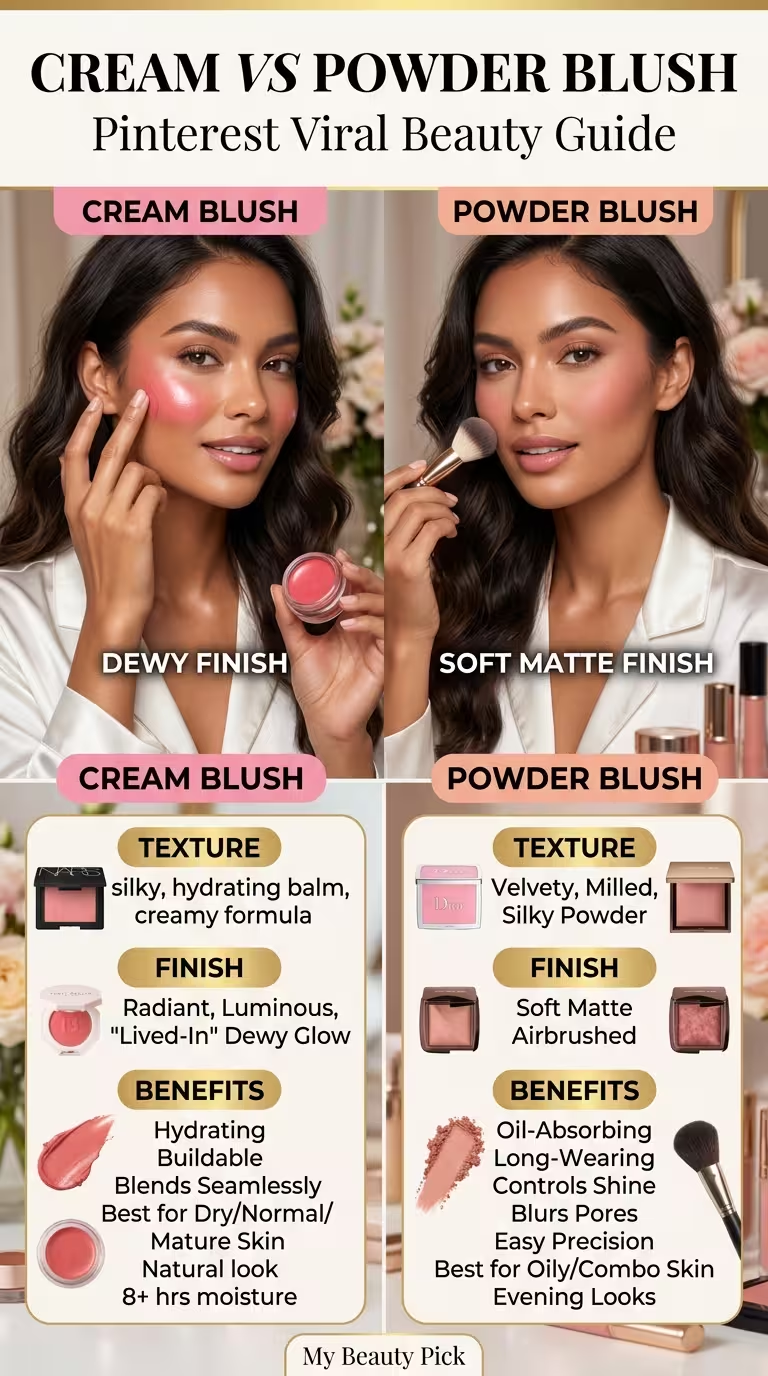
Cream Blush
- Melts into skin for a natural, skin-like glow
- Ideal for a dewy finish makeup look
- Best applied with fingers or a damp sponge
- Suits dry to normal skin types
Powder Blush
- Longer lasting with more structured payoff
- Easier to build and blend over time
- Best applied with a fluffy cheek brush
- Suits normal to oily skin types
Blush Application Techniques for Tan Skin
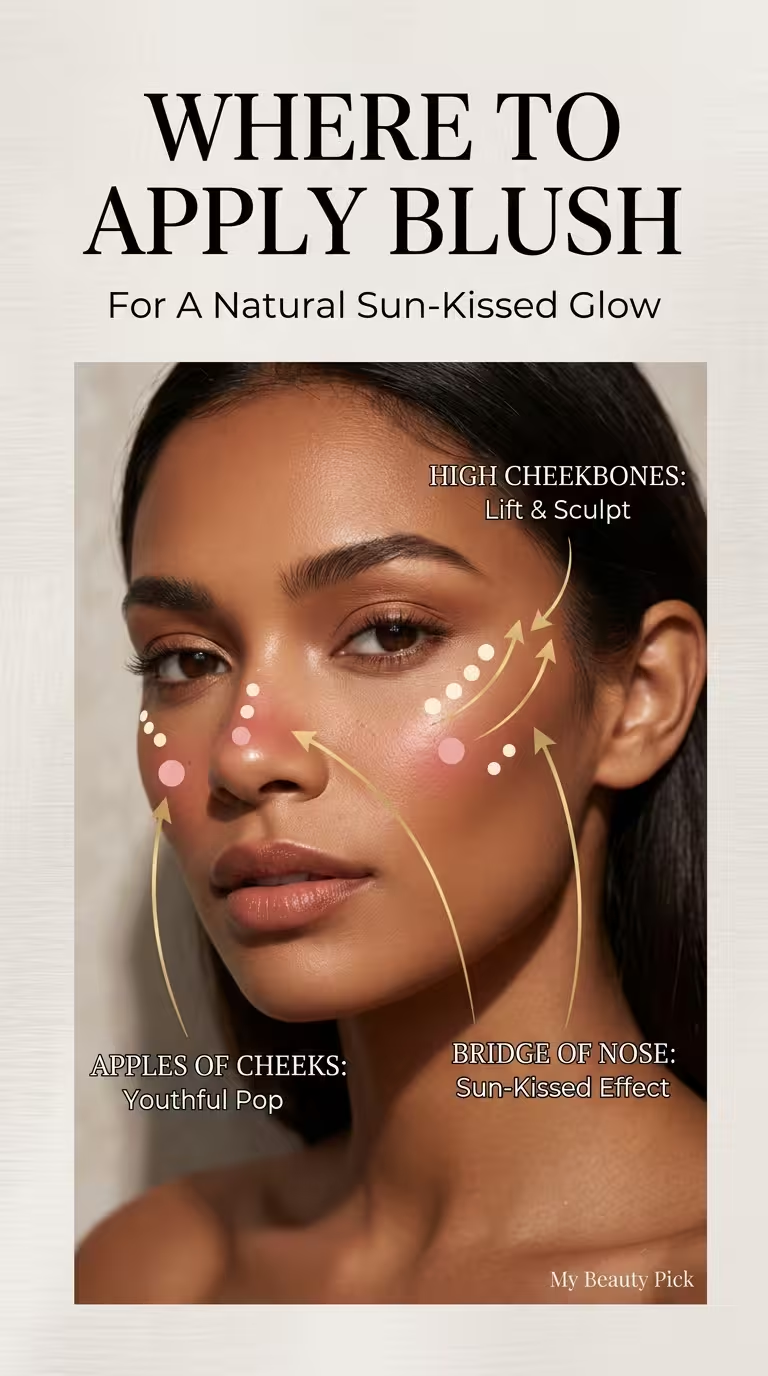
Application placement matters as much as shade selection when building a natural glow makeup routine for tan skin.
- Smile gently and apply blush to the apple of the cheeks, sweeping upward toward the temples for a lifted, youthful effect.
- For the “sun-kissed flush” technique, dust blush lightly across the bridge of the nose and cheeks — mimicking where the sun naturally catches the face.
- Blend edges thoroughly. Hard lines are the fastest way to make blush look patchy on tan skin.
- Start light and build in layers — it is always easier to add than remove product.
Common Blush Mistake
Cool-toned pink blushes — think bubble gum or baby pink — sit visually on top of tan skin rather than blending in. They can make the complexion appear uneven or over-made. Always choose blush with a warm or neutral base on tan skin.
Best Bronzer Shades for Tan Skin
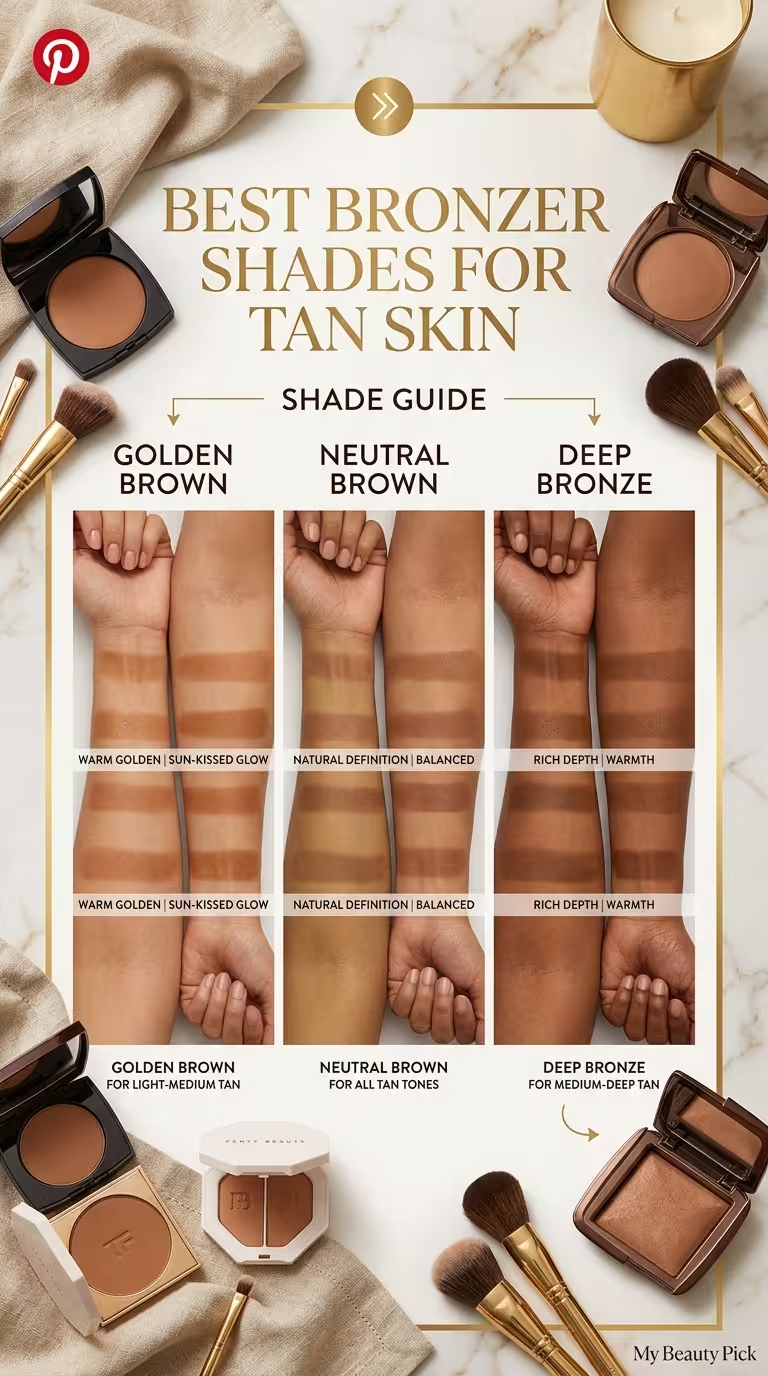
Bronzer is the most powerful tool in a makeup routine for tan skin — but also the most misused. The goal of bronzer for tan skin is to add warmth and enhance the natural depth of the complexion, not to darken it artificially. The right bronzer makes skin look like it just returned from a weekend in the sun.
Choosing Bronzer Based on Undertone
Warm Tan Skin
Choose golden-brown bronzers. Look for warm amber and honey tones. Avoid anything with grey or ashy finish.
Neutral Tan Skin
Soft neutral-brown bronzers work best. Neither too warm nor too cool — a true soft brown shade is the benchmark.
Deep Tan Skin
Rich bronze tones with some depth. The darkest options in the bronzer range — look for deep copper-bronze shades.
Bronzer vs Contour — An Important Distinction
These are not the same product, and confusing them is one of the most common tan skin makeup tips failures:
Bronzer
- Adds warmth and a sun-kissed glow
- Has warm, peachy-brown or golden undertones
- Applied broadly across sun-hit areas
- Creates a radiant finish effect
Contour
- Adds shadow and structural definition
- Has cool, taupe or grey-brown undertones
- Applied precisely along bone structure
- Creates a sculpted, face-sculpting effect
Best Bronzer Finishes for Tan Skin
Matte Golden BrownSoft Shimmer BronzeRich Deep Bronze
- Matte bronzer is the more natural-looking option — ideal for everyday warm undertone makeup routines. It mimics real sun exposure without adding shine.
- Soft shimmer bronzer adds a glow to the high points of the face. Use sparingly; too much shimmer on tan skin can tip into looking muddy rather than radiant.
Bronzer Application Guide for Tan Skin
A targeted application delivers complexion dimension without heaviness:
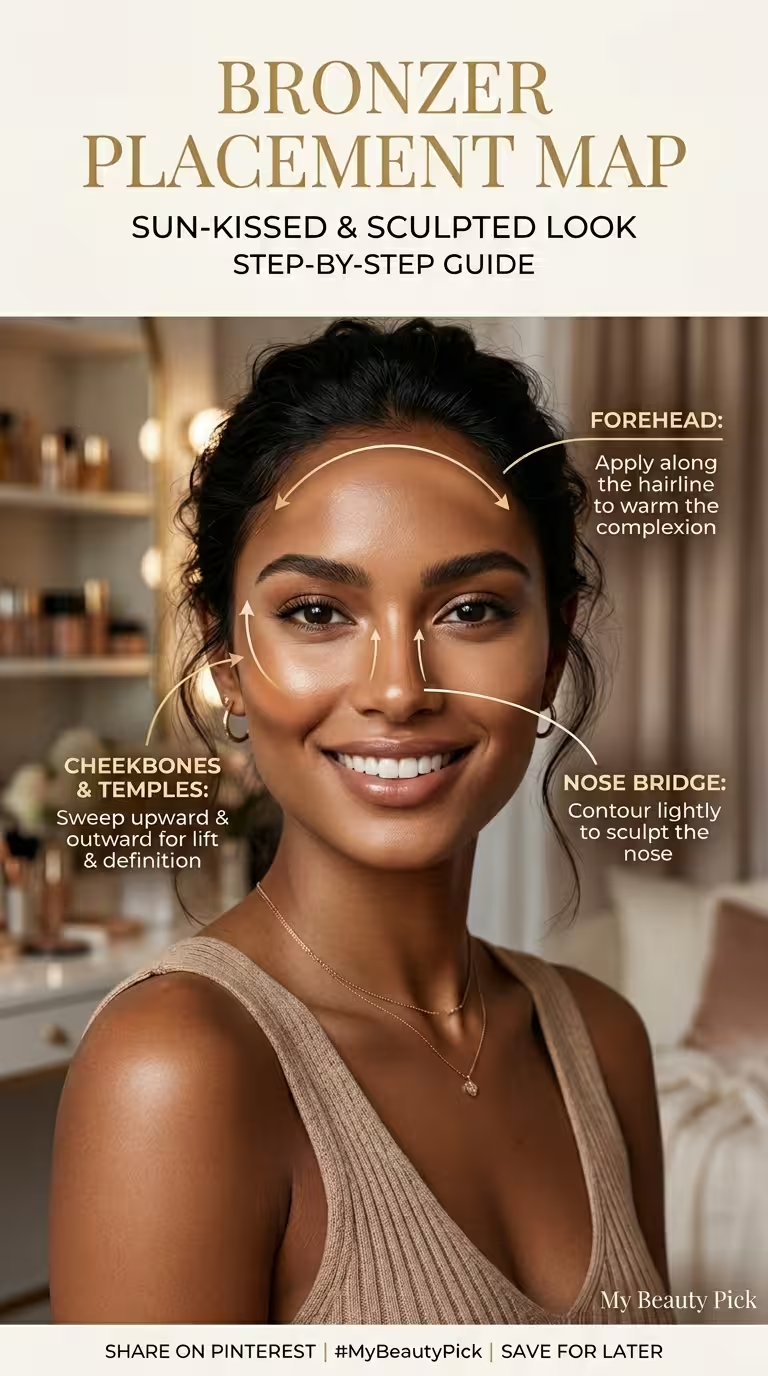
- Cheekbones:sweep bronzer just below the cheekbone, blending toward the temples in a “3” shape on each side of the face.
- Forehead perimeter:dust lightly along the hairline and temples to frame the face naturally.
- Jawline:a soft pass along the jaw creates subtle sculpting and prevents the face looking detached from the neck.
- Nose bridge:a light, narrow stripe down the nose adds warmth without over-contouring — keep this step minimal.
Best Highlighter Shades for Tan Skin
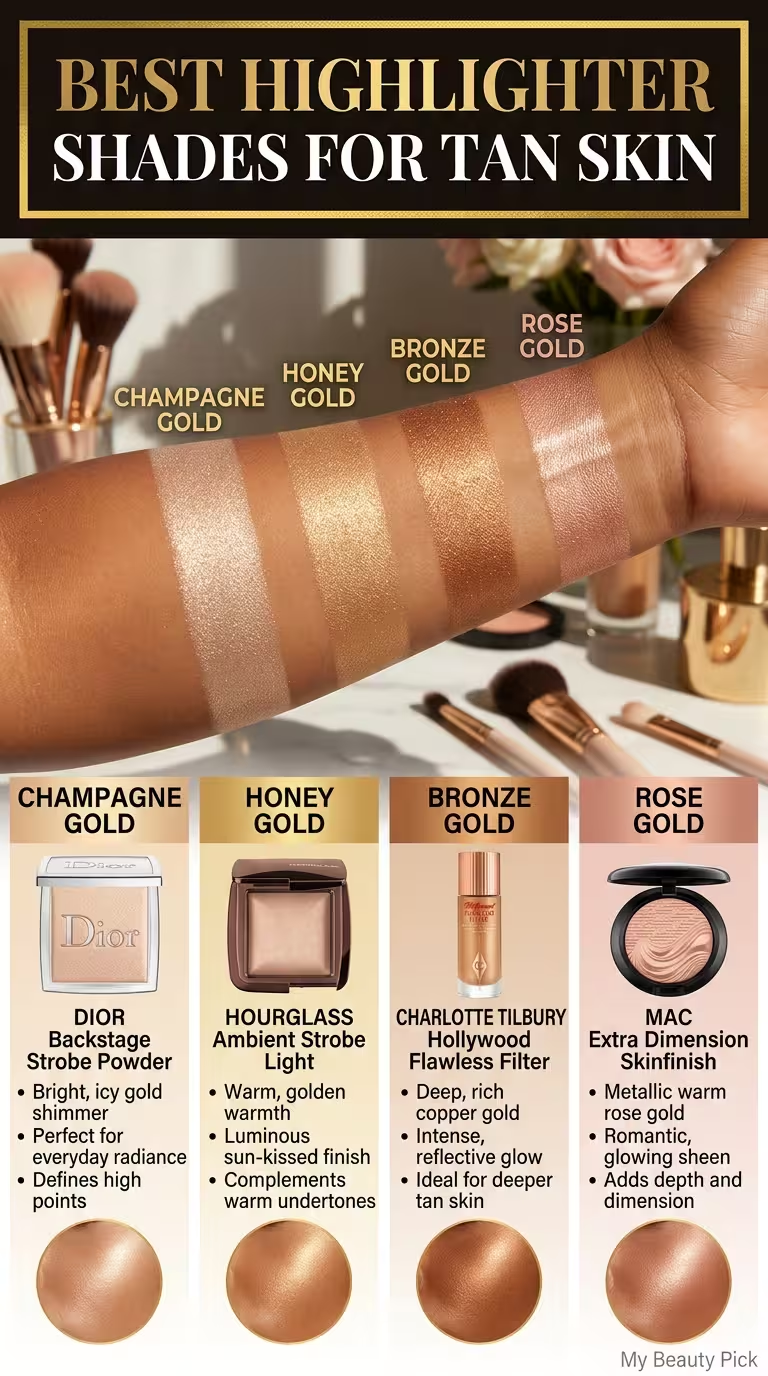
Highlighter for tan skin should enhance the natural luminosity of the complexion — not sit on top of it like a silver disc. The biggest pitfall with highlighter for tan skin is choosing shades with icy, silver, or lavender bases. These turn grey or chalky on tan complexions rather than glowing.
Best Highlighter Shades for Tan Skin
Champagne GoldHoney GoldBronze GoldRose Gold
- Champagne gold — the most universally flattering highlight shade for tan skin. Works across warm, neutral, and slightly cool undertones for a natural, lit-from-within glow.
- Honey gold — a richer, warmer option ideal for golden and olive undertones. Delivers an intense but skin-like radiant finish.
- Bronze gold — for deeper tan skin tones or when you want maximum intensity. Creates a dramatic yet warm effect perfect for evening glam.
- Soft rose gold — best for tan skin with neutral to slightly cool undertones. A delicate, modern choice that avoids looking too warm or too cool.
Highlighter Placement for a Natural Glow
Placement transforms highlighter from an obvious shimmer product into a skin-like glow. For the most natural effect on tan complexions:
- Cheekbone tops:apply on the highest point of the cheekbones — this is the primary placement for all highlight looks. It creates a lifted, open effect.
- Inner eye corners:a small press of highlighter at the inner corners brightens the eye area and adds freshness to the entire look.
- Nose bridge:a minimal, narrow highlight down the centre of the nose creates the illusion of a narrower, more defined nose bridge.
- Cupid’s bow:pressing highlight above the centre of the upper lip makes the lips appear fuller and more defined.
Powder vs Liquid Highlighter for Tan Skin
Liquid Highlighter
- Creates a genuine skin-like glow
- Perfect for a dewy finish makeup result
- Mix into foundation for an all-over glow
- More buildable and natural-looking
Powder Highlighter
- More intense, concentrated glow
- Longer wear on tan and oily skin
- Apply with a precise fan brush
- Easier to target specific areas
How to Balance All Three Products
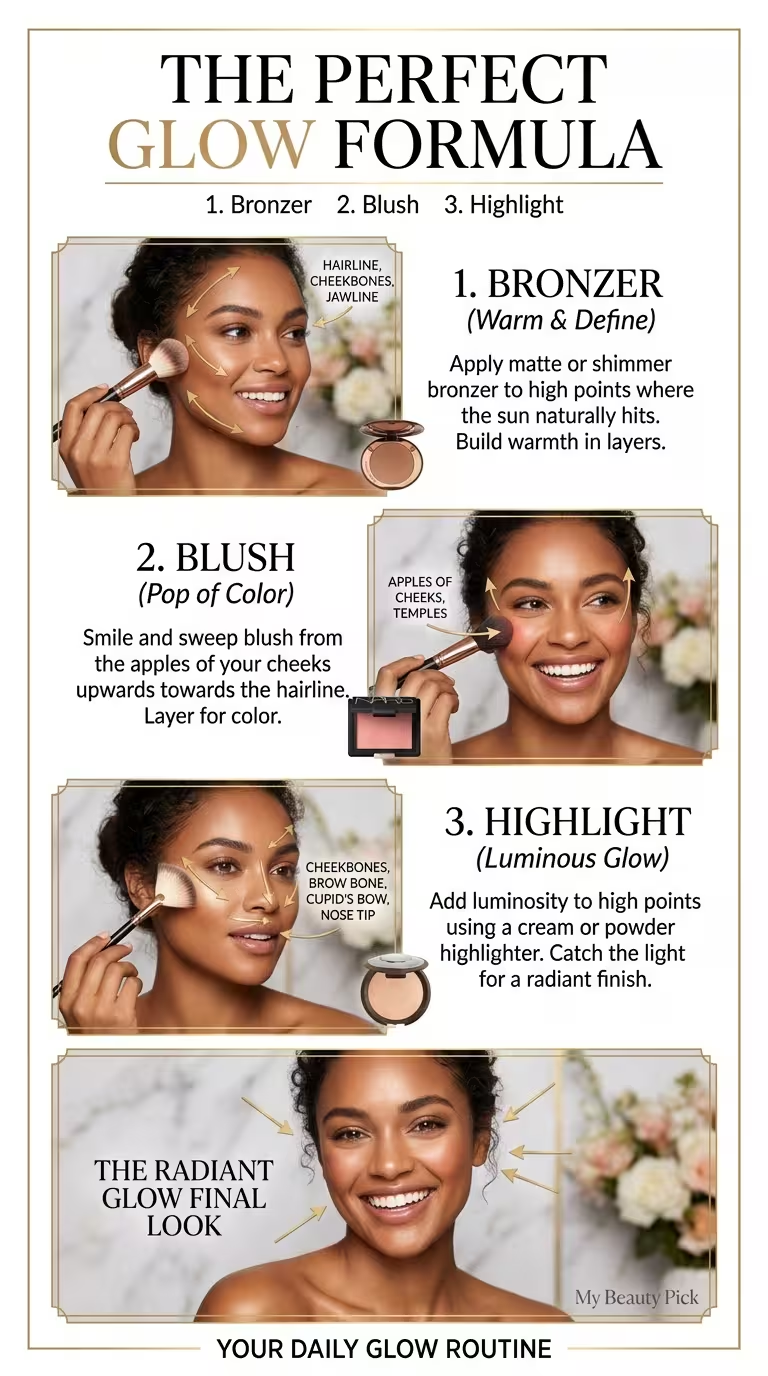
Using blush, bronzer, and highlighter together requires a sense of restraint. The “rule of balance” for tan skin makeup: let one product lead, and let the other two support.
1. Bronzer→
2. Blush→
3. Highlight
- Always apply bronzer first as the foundation of warmth across the face.
- Layer blush second, concentrated on the cheeks — it sits on top of bronzer for more precise colour placement.
- Apply highlighter last on the highest points to catch light without disturbing the layers below.
- Avoid layering multiple warm products at full intensity simultaneously — the result looks heavy rather than glowing.
- On days when going for a natural look, choose two of the three products and let one rest. Less is genuinely more for a skin-like radiant finish on tan complexions.
When to Prioritise Which Product
Daytime natural look: bronzer + highlighter, skip blush. Evening glam: blush + highlighter at higher intensity. Summer sun-kissed look: bronzer + blush, minimal highlight. Formal event: all three, but blended with a very light hand.
Common Mistakes to Avoid
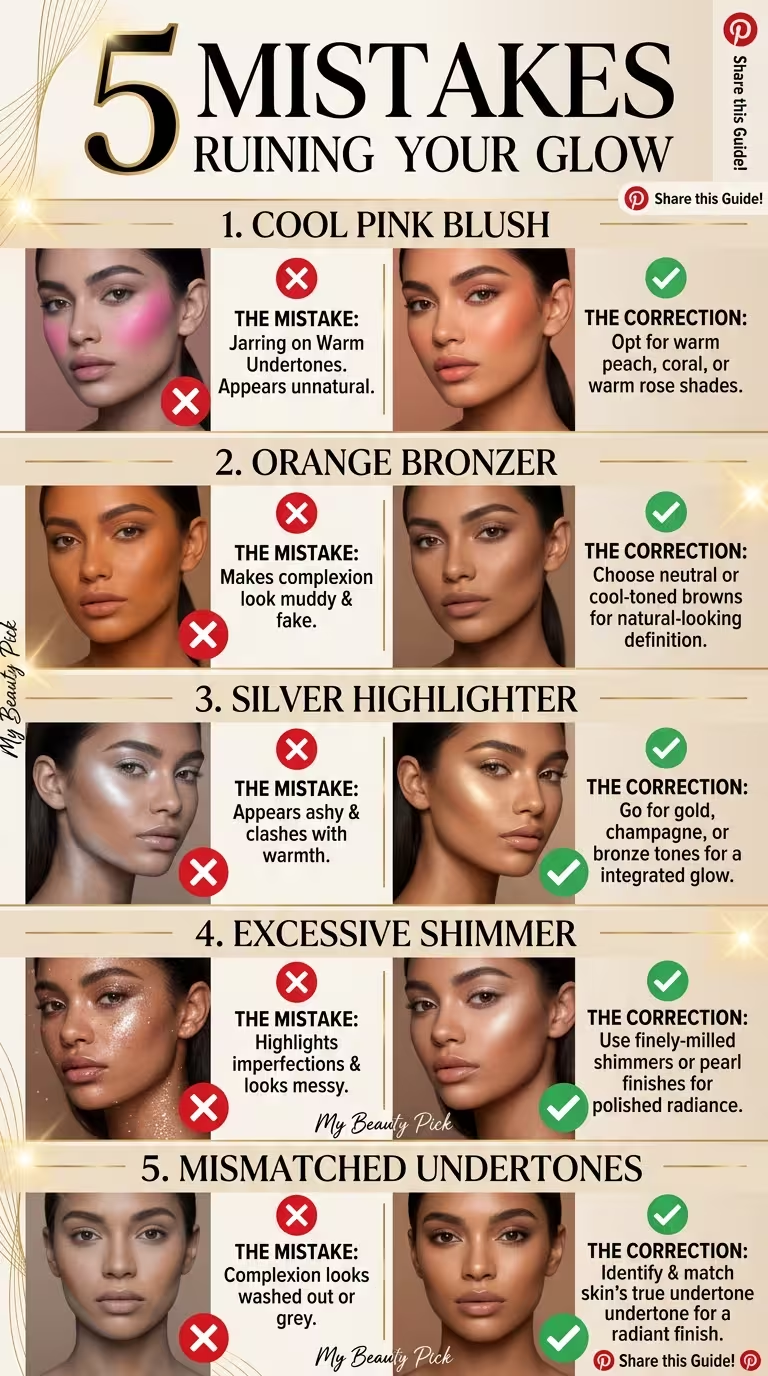
These are the most frequent errors that undermine an otherwise well-executed makeup for tan skin tones routine:
| The Mistake | Why It Happens | The Fix |
|---|---|---|
| Cool-toned pink blush | Choosing shades that look pretty in the pan rather than on skin | Stick to peach, coral, or terracotta blush families |
| Orange-toned bronzer | Picking up a bronzer formulated for fair skin tones | Choose golden-brown or rich brown shades — not orange |
| Grey/ashy bronzer finish | Using cool-toned contour products as bronzer | Bronzer must have warm undertones; contour is a separate step |
| Icy or silver highlighter | Reaching for the most intense shimmer shade | Only gold, honey, or rose-gold highlights work on tan skin |
| Over-applying shimmer | Wanting maximum glow from a single product | Build highlight in thin layers; step back and assess in natural light |
| Mismatched undertones | Using warm blush with cool bronzer and silver highlight | Maintain undertone consistency across all three products |
Quick Shade Combinations for Every Look
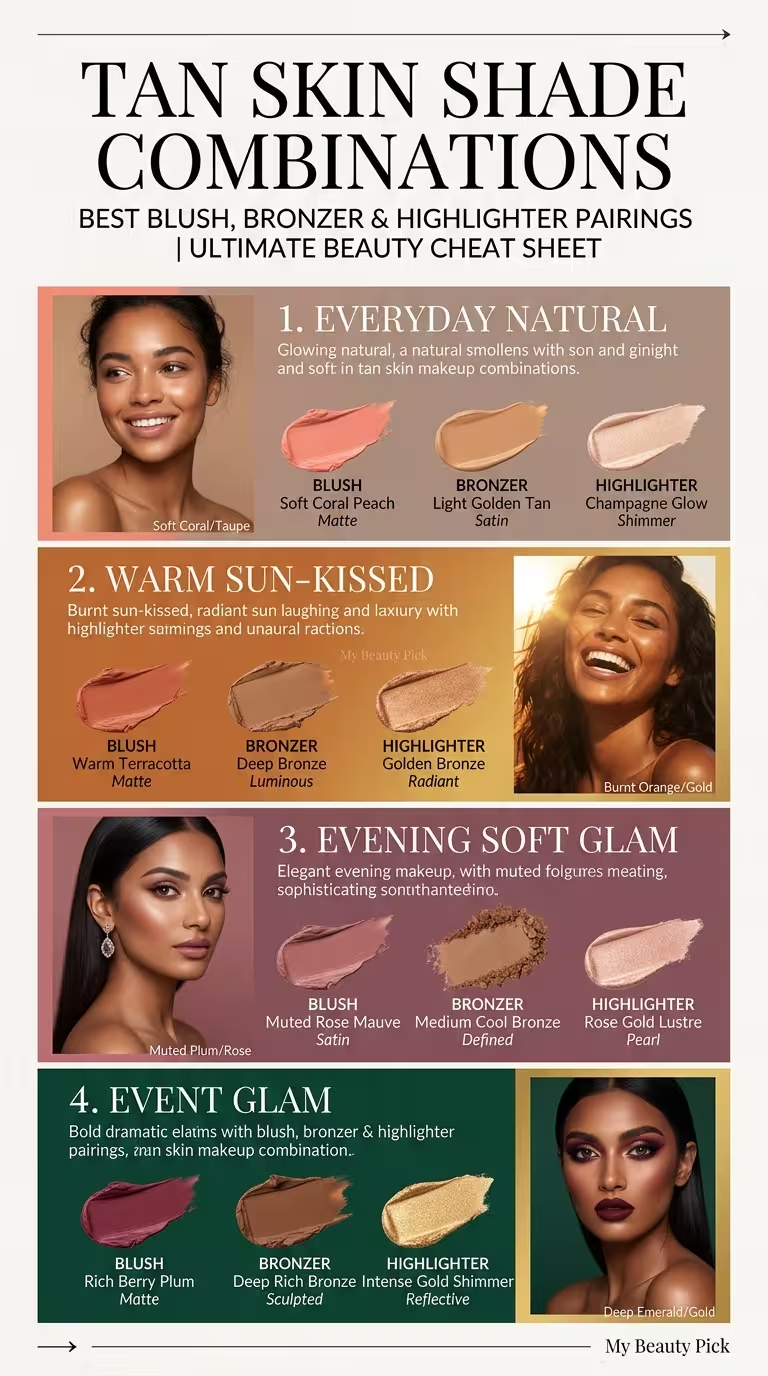
Use these combinations as starting points for your own tan skin makeup tips and adjust based on your specific undertone. Each trio is built around color balance in makeup and undertone harmony.
Everyday Natural
BlushSoft Peach
BronzerSoft Brown Matte
HighlightChampagne Gold
Warm Sun-Kissed
BlushWarm Coral
BronzerGolden Brown
HighlightHoney Gold
Evening Soft Glam
BlushBerry Rose
BronzerDeep Bronze
HighlightBronze Gold
Event Glam
BlushTerracotta
BronzerSculpted Bronze
HighlightIntense Gold
Final Tips for a Seamless Glow
These are the non-negotiable principles behind every successful glowing makeup for tan skin result:
01
Layer in Order
Bronzer, then blush, then highlight — every time. This sequence ensures each product sits correctly and blends without disrupting what is underneath.
02
Blend Thoroughly
There should never be a visible line where a product begins or ends. A good fluffy brush and circular blending motions will always deliver a skin-like finish.
03
Less Is More
With tan skin, less product creates more glow. Heavy application of warm shades stacks into a muddy, overly brown effect. Build slowly, check in natural light.
04
Match Undertones
Undertone consistency across blush, bronzer, and highlighter is the single most important principle. A mismatched trio will always look disconnected on the skin.
The Glow Comes From Balance, Not Intensity
The most common misconception about building a makeup routine for tan skin is that more warmth equals more glow. In reality, a sun-kissed makeup look on tan skin is the result of shade harmony — choosing blush, bronzer, and highlighter shades that share the same undertone family and applying each with a restrained hand.
Start with your undertone. Build your shade selection around that single fact. Keep blush in the peach-to-terracotta range, bronzer in the golden-brown family, and highlighter in the gold-to-rose-gold spectrum. Layer in the right order. Blend completely. That is the entire formula behind a genuinely radiant, skin-like glow on tan complexions — and it works every single time.