

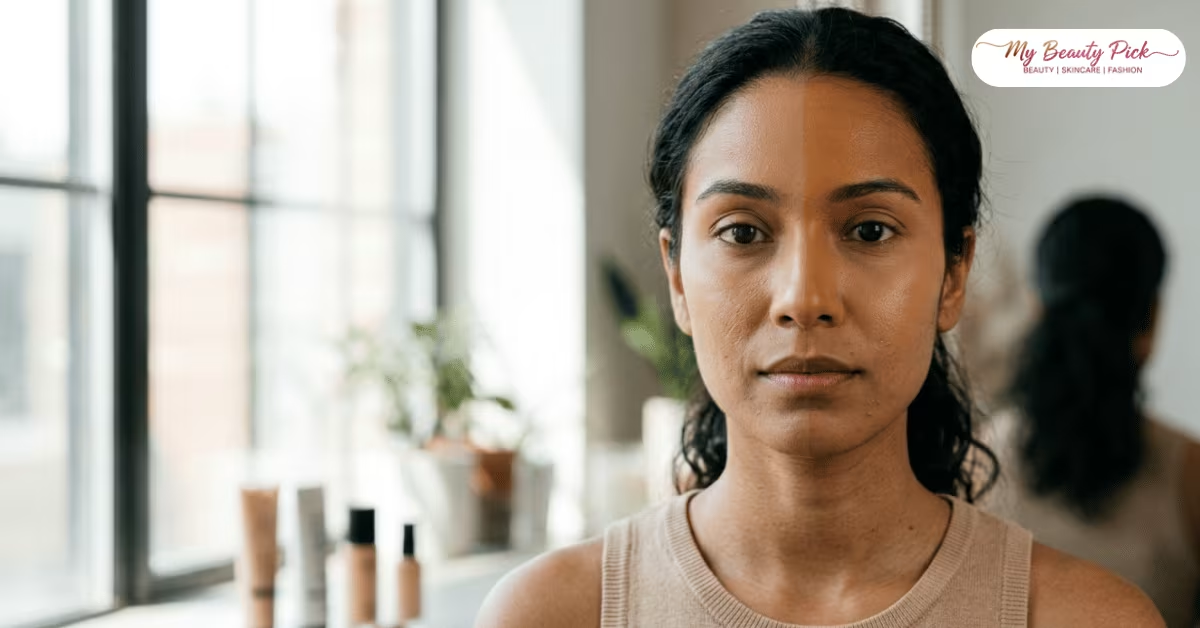
You match your foundation carefully, apply it well, and walk out looking flawless. Then 45 minutes later, your skin looks two shades darker and distinctly orange. If this sounds familiar, your foundation is oxidizing. For anyone with tan skin, this problem shows up more clearly and more frequently than it does on lighter tones. This guide breaks down exactly why foundation oxidizes on tan skin, how to spot it, and the practical fixes that actually work.
What foundation oxidation actually means?
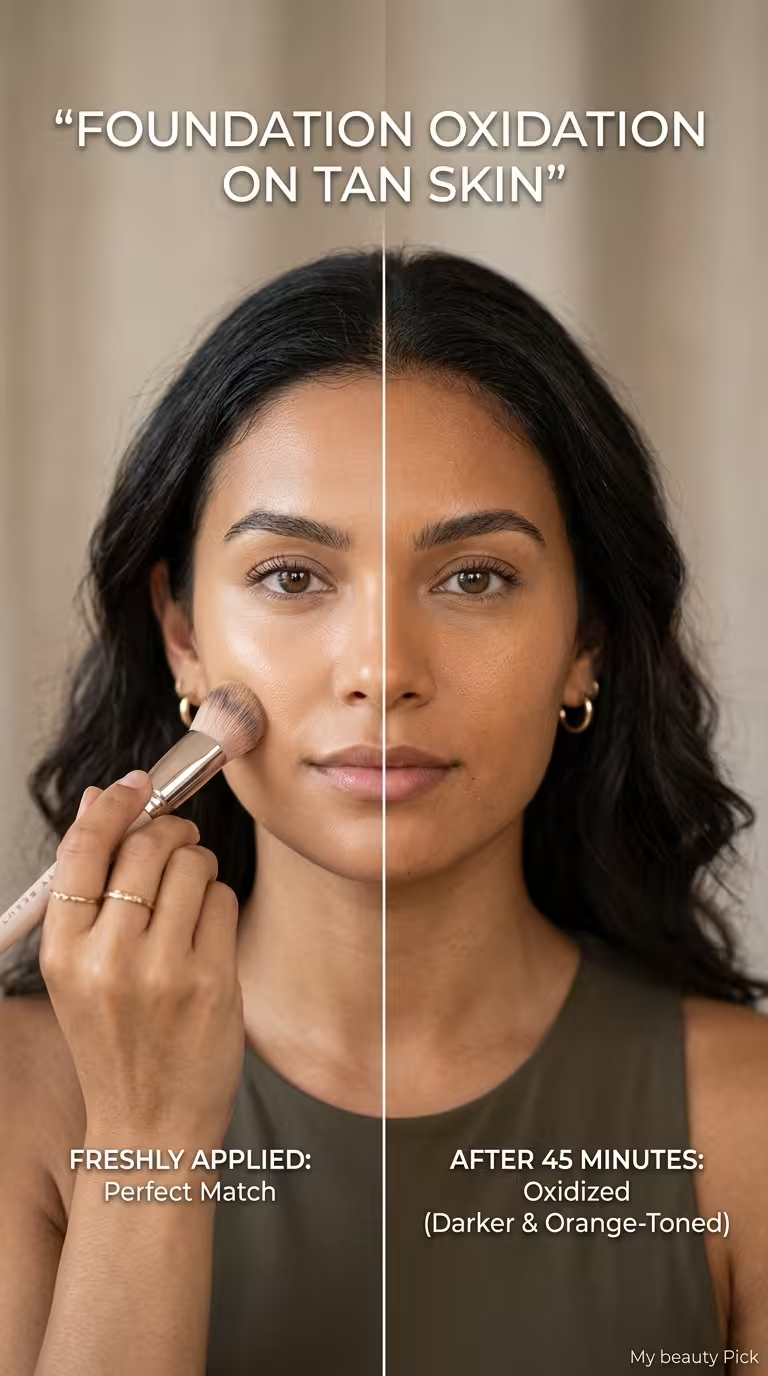
Oxidation in foundation is a chemical reaction. The pigments in your formula react with oxygen, skin oils, and environmental factors after application, causing a visible color shift. The result is usually a darker, more orange, or reddish-bronze finish compared to how the shade looked when first applied.
This is different from simply choosing the wrong shade. A shade mismatch is obvious the moment you apply the product. Oxidation looks correct at first, then changes. The shift typically becomes visible between 20 and 60 minutes after application and gets more pronounced as the day goes on.
The main culprits behind this reaction are iron oxide pigments. Most foundations use iron oxides to create warm, tan, and brown tones. These compounds are chemically reactive by nature. Exposure to air, skin sebum, and shifts in surface pH causes them to deepen and drift warm over time.
Quick self-test: Apply your foundation, wait 45 minutes, then hold your wrist next to your face. If they read as two different skin tones, oxidation is what you are dealing with.
Why foundation oxidizes on tan skin: the real causes behind the color shift
Several things can trigger oxidation, and on tan skin, more than one is usually happening at the same time. Understanding each cause makes it much easier to choose the right fix.
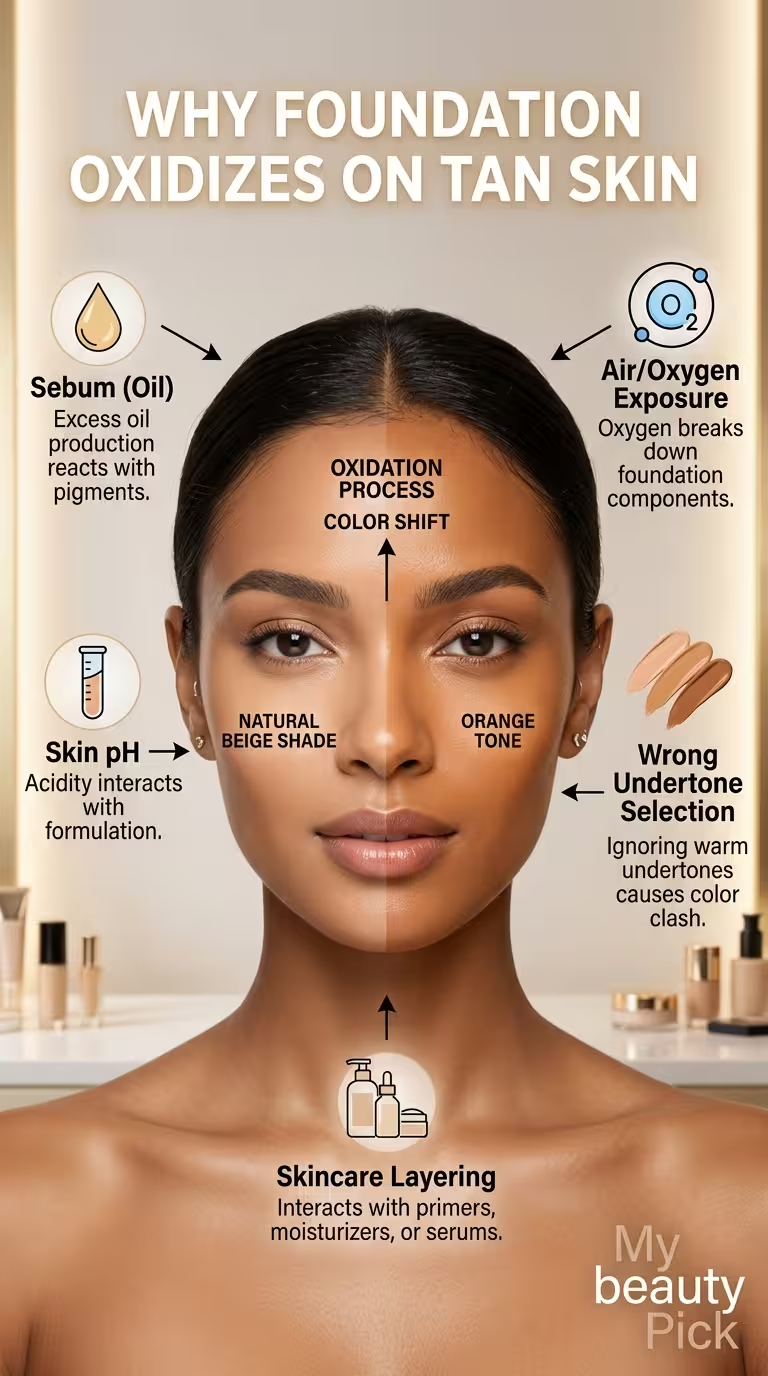
Sebum Breaking Down the Formula
Sebum is the oil your skin naturally produces. As it mixes with foundation throughout the day, it breaks down the binding agents that hold the pigments stable. This is one of the most common makeup oxidation causes, and it happens fastest on oily or combination skin. The T-zone and cheeks are usually where the color shift appears first, because those areas produce the most oil.
Skin pH Reacting with the Formula
Healthy skin sits at a slightly acidic pH, usually between 4.5 and 5.5. Many foundations are formulated at a neutral or mildly alkaline pH. When these two meet, the chemistry can destabilize the pigment-binding compounds in the formula. The result is an uneven tone that develops gradually rather than immediately. Tan and olive skin tones can have a slightly more reactive surface pH, which makes this interaction more pronounced.
Air Exposure Doing Its Work
Some of the film-forming agents used in foundations begin reacting with oxygen the moment the product is spread thin across the skin. This type of oxidation happens regardless of skin type or oil levels. It tends to be slower and more gradual, but it compounds with sebum-driven oxidation over the course of a day.
Undertone Mismatch in the Formula
Tan skin often carries warm undertones: golden, olive, caramel. A large portion of mainstream foundations are built on a neutral or cool base. When the formula does not align with those warm undertones, any oxidation that does occur pushes the shade even further from your natural tone. What starts as a subtle mismatch reads as distinctly orange or muddy by midday. Undertone drift is closely related to oxidation but is not identical. Both produce the same visual result.
Skincare Layering Before Makeup
Applying foundation over a thick moisturizer, SPF, or facial oil that has not fully absorbed creates an unstable surface. The foundation cannot properly bond to the skin, so it sits on top of the skincare layers instead. Over the course of the day, those layers migrate upward and mix with the foundation, altering how the pigments behave. Waiting at least 5 to 10 minutes after skincare before applying base makeup removes most of this risk.
Signs that confirm foundation oxidizes on tan skin rather than other causes
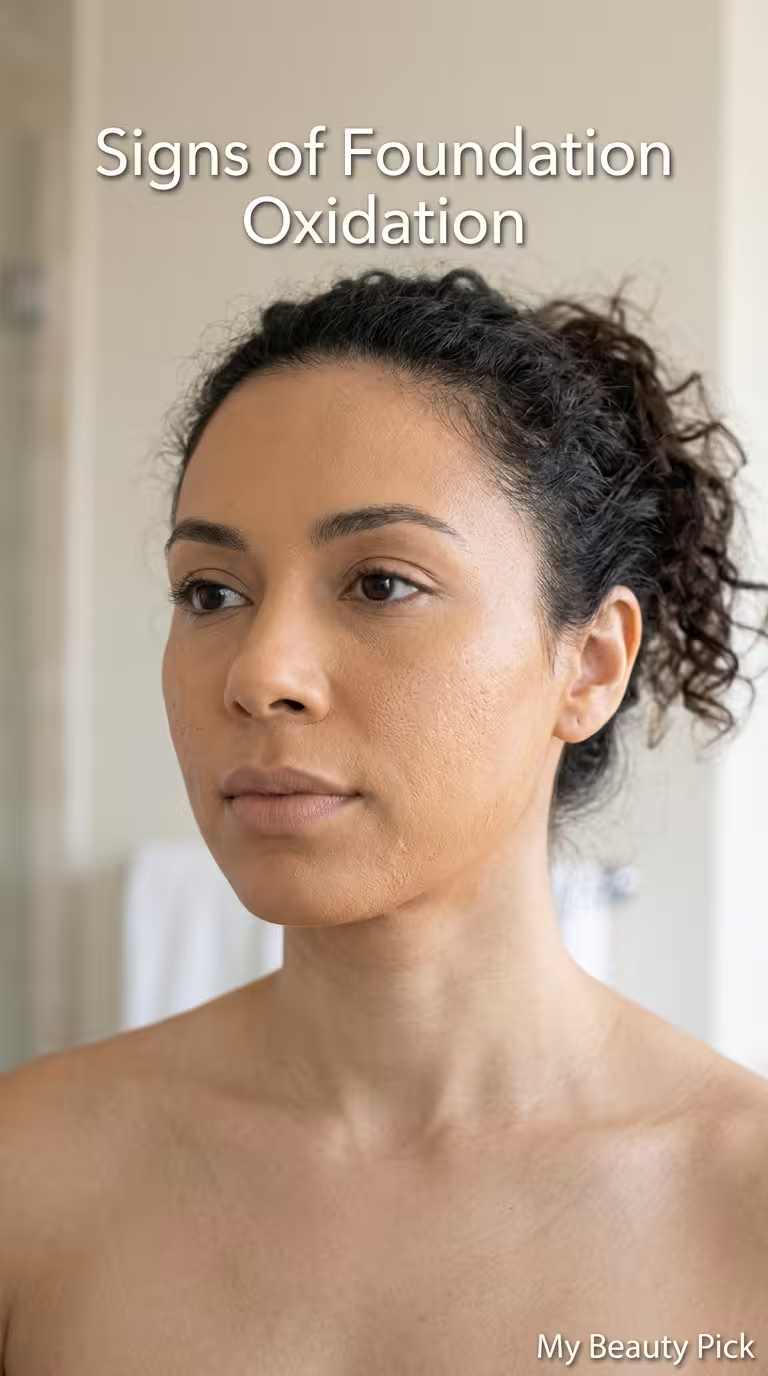
Not every makeup issue points to oxidation. These are the specific signs that separate it from a shade mismatch, formula breakdown, or application problem:
- Foundation looks correct immediately after application, then turns noticeably darker within 20 to 60 minutes
- The shade shifts toward orange, reddish-bronze, or an ashy-grey tone
- Your face and neck look like two different people by midday
- Foundation appears patchy or uneven without any sweating or physical activity
- The color change is worst around the nose and cheeks, where sebum production is highest
- Photos taken a few hours after application show a noticeably different complexion than photos taken right after
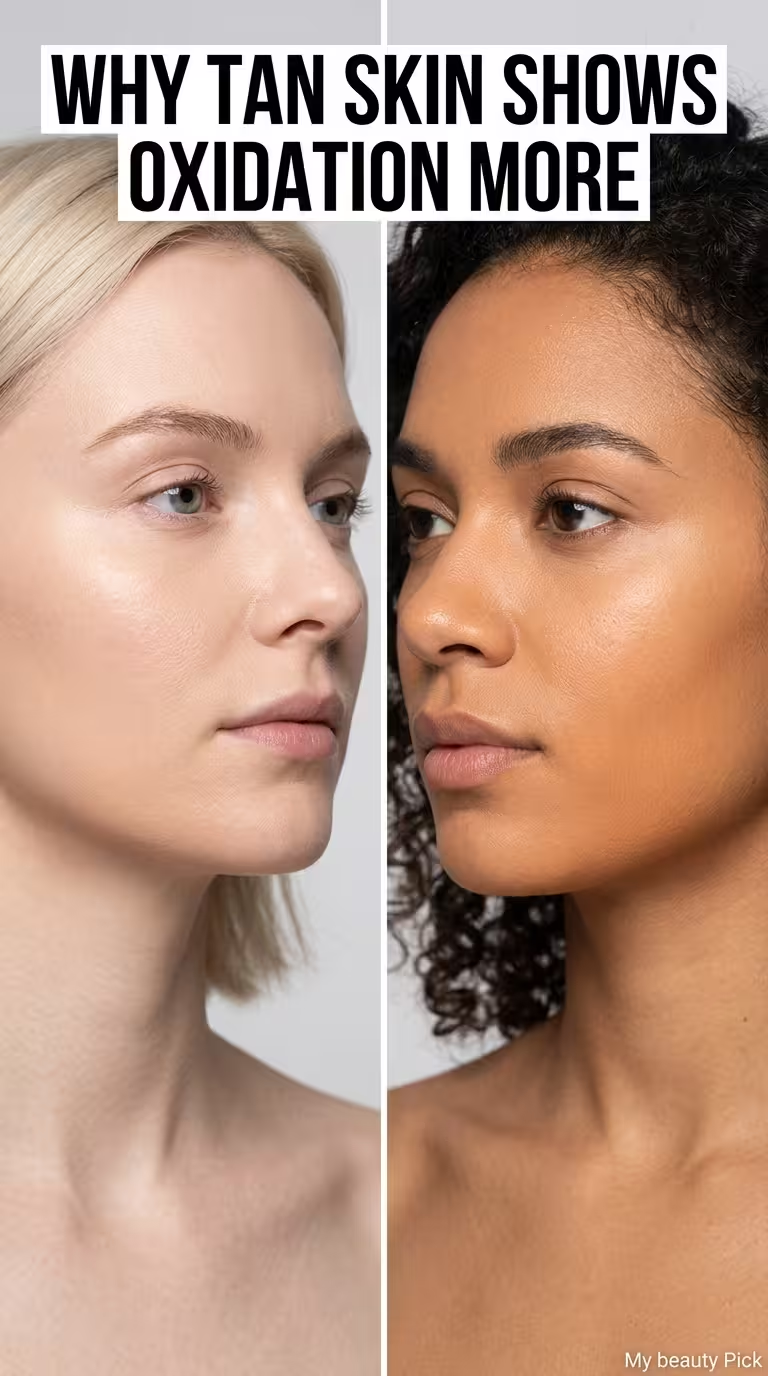
Why foundation oxidizes on tan skin more visibly than on lighter tones
The chemical process of oxidation is universal. Every skin tone can experience it. But tan and medium-deep complexions show the effects far more clearly, and the reasons are specific.
Melanin Amplifies the Warm Shift
Tan skin has a higher melanin concentration, which creates more surface-level interaction with the iron oxide pigments in the formula. When those pigments react, they amplify the warm-orange color shift. On lighter skin, the same reaction may read as slightly peachy or warm. On tan skin, it reads as visibly orange or bronze. The depth of pigmentation makes a subtle shift into a stark one.
Undertone Changes Read More Clearly
Warm undertones in tan skin create a different optical baseline than cool or neutral undertones do. When foundation drifts warm from oxidation, it lands on top of an already warm canvas. The contrast between the skin’s natural undertone and the oxidized formula reads as muddy or clashing. This is one of the most common tan skin foundation problems, and it is one most fair-skin shade guides do not address.
Foundation Formulas for Tan Shades Are More Prone to It
Most shade ranges are developed from the lighter end outward. Shades created for tan skin typically require a heavier concentration of warm iron oxides to achieve the right depth. A higher concentration of reactive pigments means a higher oxidation potential. Two foundations from the same product line can behave very differently: the lighter shade may stay stable while the deeper shade shifts significantly.
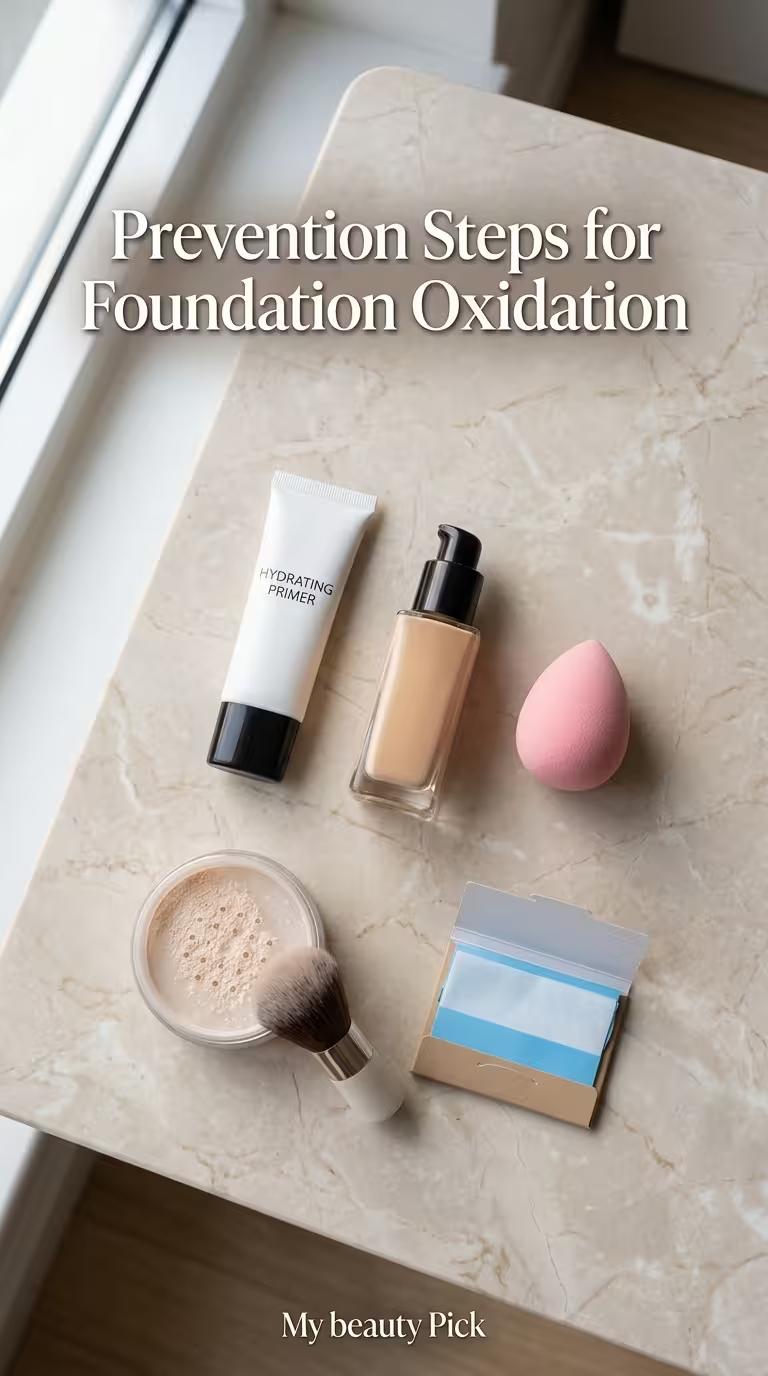
How to stop foundation oxidizing on tan skin before it starts
Fixing oxidation after it happens is possible, but preventing it is far less work. These six steps address the actual causes rather than just masking the result.
Step 01
Test any new foundation shade on your jawline and wait at least 45 to 60 minutes before committing. Do not judge a shade match in-store under artificial lighting.
Step 02
Allow all skincare, including SPF, to fully sink in for 5 to 10 minutes before applying foundation. Rushing this step is one of the most common reasons bases perform poorly.
Step 03
Use an oil-controlling primer between skin and foundation. Avoid silicone-heavy primers if your foundation is oil-based, as the two can repel each other and accelerate breakdown.
Step 04
Prioritize long-wear and matte-finish formulas. These are built with more stable pigment-binding systems and oxidize more slowly than dewy or luminous alternatives.
Step 05
Do not layer a water-based foundation directly over a silicone-heavy SPF. The two formula types repel each other at a surface level, creating instability that speeds up color shift.
Step 06
Go one half-shade lighter than your usual match. Since most foundations oxidize darker on tan skin, starting slightly lighter lands you closer to your actual tone by midday.
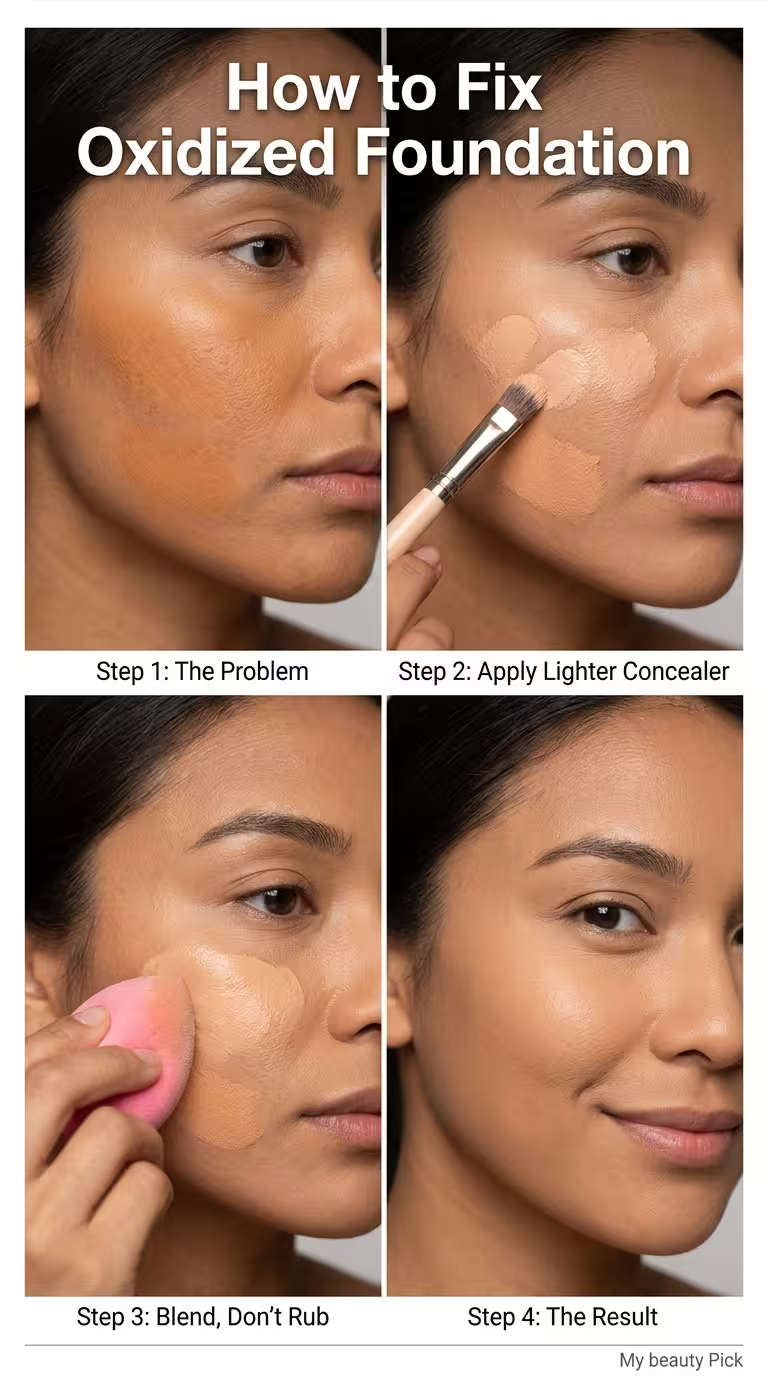
How to fix oxidized foundation on tan skin when it has already shifted
Some days prevention is not enough, or you are working with a formula you cannot replace right away. These techniques address visible oxidation without requiring a full reset.
Concealer as a Color Corrector
Take a concealer that is slightly lighter and cooler-toned than your foundation. Apply a thin layer over the areas that have shifted most, usually around the nose and cheeks, and blend with a damp sponge using a pressing motion. Rubbing disturbs the base further. A yellow or neutral-base concealer is better than a pink one here, as pink pulls the tone in the wrong direction for most tan skin undertones.
Sheer Translucent Powder, Applied Lightly
A very light dusting of translucent powder can reduce the intensity of the orange appearance by diffusing the surface pigments. Use a large fluffy brush and use minimal product. Packing powder on top of an already oxidized base makes it look cakey and can push the tone darker. The goal is to mattify and soften, not to cover.
Extending Coverage Down to the Neck
If there is a visible line between face and neck, extend a thin layer of your foundation or a light concealer down the neck and blend out at the collarbone. This removes the contrast line that makes oxidation obvious in photos and direct light.
When to Start Over
If the foundation has separated, shifted more than two shades, or turned patchy beyond the point of blending, none of the above will produce a clean result. Use a micellar water-soaked cotton pad to remove the base cleanly. Apply a fresh, thin layer of primer, then reapply foundation using a lighter hand. A thinner second application will oxidize more slowly than the first, partly because there is less product sitting on top of active sebum.
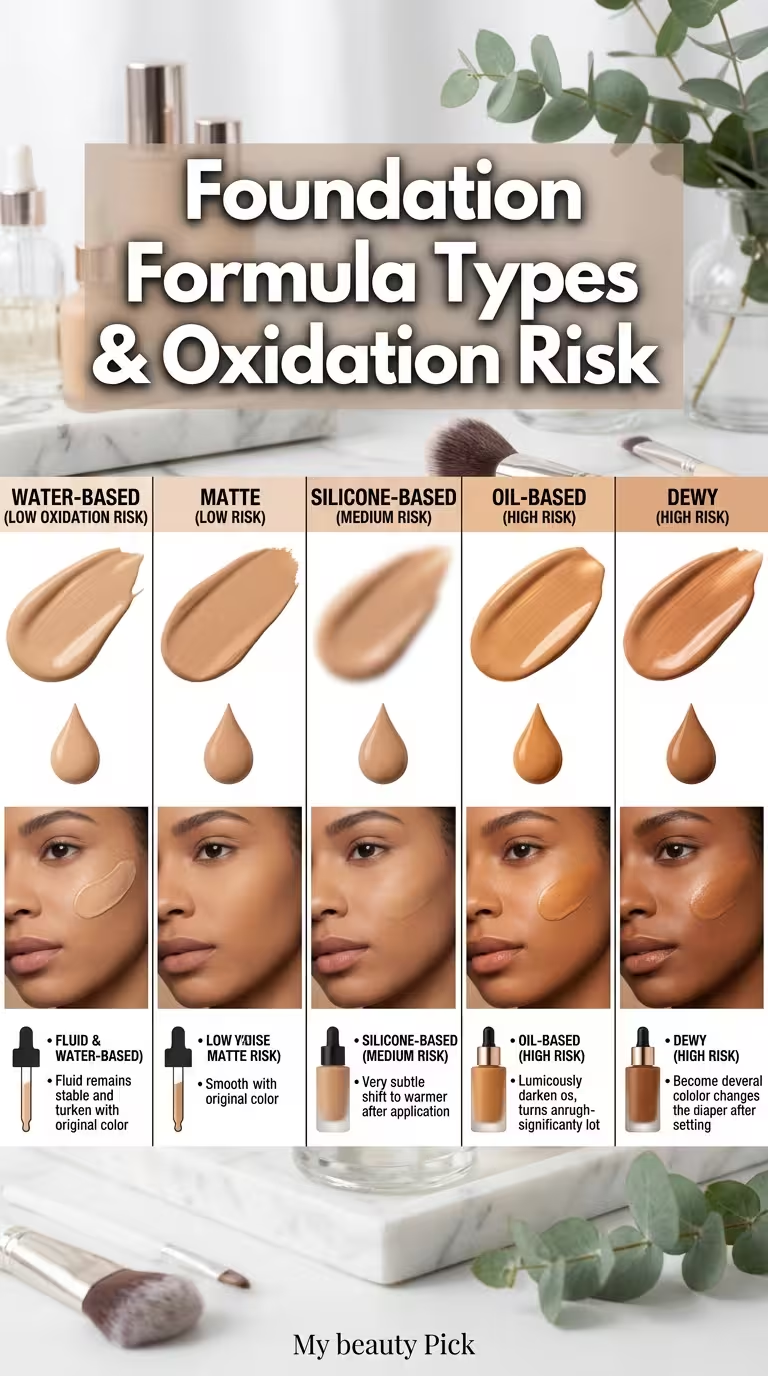
Foundation formula types for tan skin: which ones resist oxidation and which ones make it worse
Formula choice directly affects how much foundation oxidizes on tan skin. This is not about brand or price. It is about the base chemistry.
| Formula Type | Oxidation Risk | Best For |
|---|---|---|
| Water-based | Lower | Oily or combination tan skin; layering over SPF |
| Silicone-based | Higher | Dry skin; works better in low-humidity conditions |
| Oil-based or serum foundation | Higher | Dry skin only; avoid on oily areas entirely |
| Matte or long-wear | Lower | Oily skin; hot climates; long wear days |
| Dewy or luminous finish | Higher | Dry or normal skin only; avoid on oily zones |
When reading ingredient labels, look for formulas where iron oxide pigments are stabilized with dimethicone or isododecane. These binders are less chemically reactive than standard dispersion agents and hold pigments stable for longer under real-world conditions.
For golden and caramel tan skin tones, the shade range quality matters as much as the formula type. Foundations built with tan and warm undertones as a primary reference use more purpose-calibrated pigment ratios. Those tend to oxidize less dramatically than brands that simply extend their shade range downward from a light-skin-first development process.
Makeup artist techniques for tan skin to reduce foundation oxidation at the source
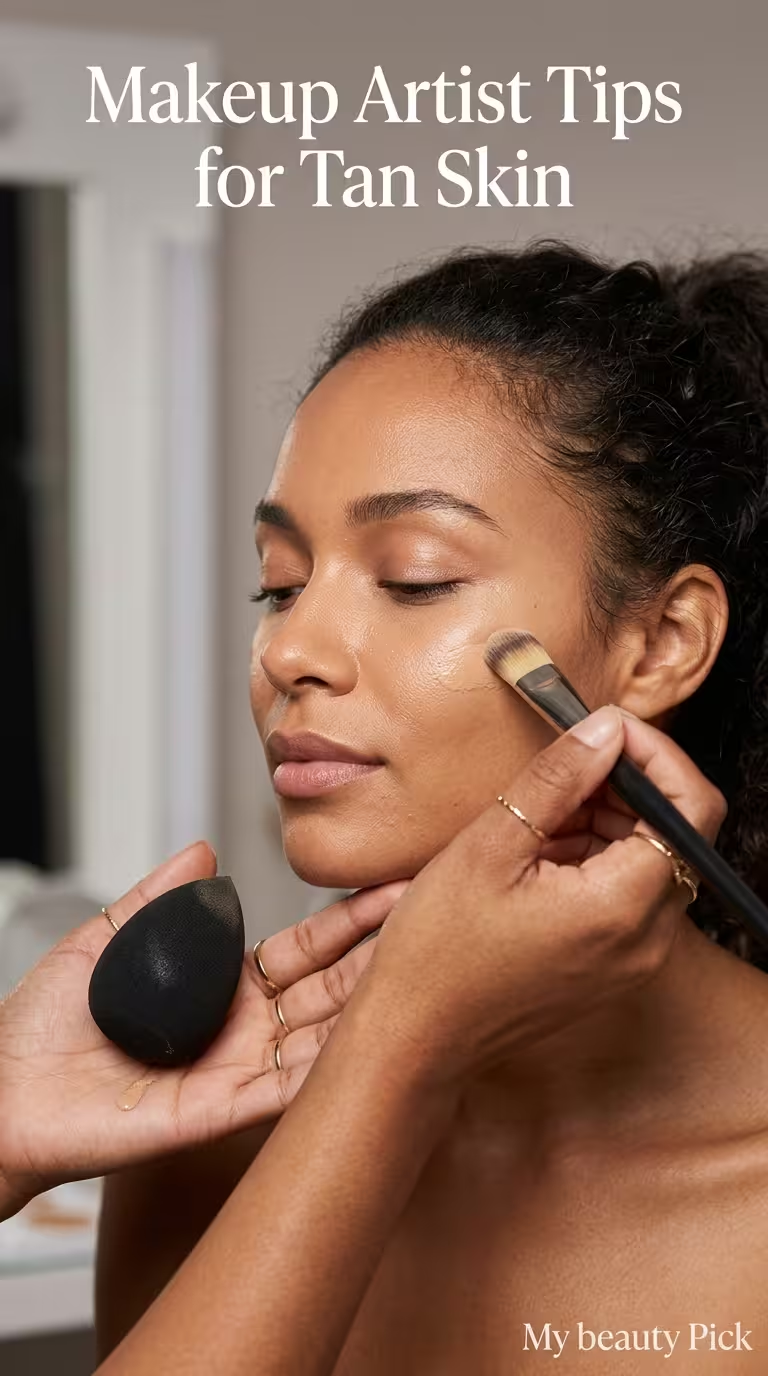
Beyond product selection, how you apply and maintain your base through the day has a direct effect on how much oxidation occurs. These are the habits that makeup artists use when working with tan and warm-undertone skin tones.
- Apply foundation in a single thin layer. More product means more reactive surface area and more sebum interaction. Use a damp beauty sponge, press it into the skin rather than buffing, and build coverage only where genuinely needed.
- Powder only where it is necessary. Heavy powder on oily zones traps sebum against the foundation film rather than absorbing it. That trapped sebum accelerates the exact reaction you are trying to prevent. Spot-powder the T-zone and leave the rest alone.
- Use blotting papers during the day, not more powder. Every layer of product added on top of an aging base compounds the oxidation. Blotting removes excess oil without disrupting the foundation, keeping the surface conditions more stable.
- Keep foundation in a cool, dark place. Heat and light degrade pigment stability inside the bottle before the product even reaches your face. A bathroom cabinet near a hot shower is one of the worst storage spots. A cool drawer away from direct light extends the formula’s stability.
- Mix one drop of liquid primer into your foundation before applying. This slightly dilutes the pigment concentration and can reduce the degree of any color shift without sacrificing coverage in a meaningful way.
Questions people ask about foundation oxidizing on tan skin
Why does my foundation always turn orange after applying?
Iron oxide pigments in your formula are reacting with sebum and air. This color shift is more dramatic on tan skin because shades formulated for deeper tones use a higher concentration of warm iron oxides, which are more reactive by nature. Switching to a water-based, matte-finish formula and going half a shade lighter than your usual match are the two changes that make the biggest practical difference.
How do I stop foundation oxidizing on tan skin for good?
No single product eliminates oxidation entirely. What works is combining the right formula type (water-based, long-wear), proper skin prep (skincare fully absorbed, oil-controlling primer applied), and a thin application. Always jawline-test new shades for at least 45 minutes before deciding on a match.
Does primer prevent foundation oxidation?
A good oil-controlling primer slows oxidation by creating a barrier between your sebum and the foundation. It reduces the primary cause but cannot stop pH-driven pigment shifts or air-exposure reactions entirely. Think of it as one useful layer in a broader prevention strategy, not a complete solution on its own.
Does expensive foundation still oxidize?
Price does not determine oxidation resistance. Plenty of luxury foundations use the same iron oxide chemistry as drugstore options. The formula type, pigment-to-binder ratio, and finish matter far more than cost. Read the ingredient list, test before committing, and treat every product the same regardless of its price tag.
Is foundation oxidation the same across all skin tones?
The chemistry is universal, but the visual result varies by skin tone. Tan and medium-deep complexions with warm undertones show the color shift most clearly because the pigment depth in their shades amplifies the orange or bronze drift. On lighter or cooler tones, the same reaction often reads as barely noticeable.
What to take away from this
Foundation oxidizes on tan skin because of a combination of factors: sebum reacting with iron oxide pigments, skin pH destabilizing the formula, warm undertone mismatches, and skincare that has not fully absorbed before application.
The fix is not one product swap. It is a combination of formula choice (water-based, matte finish), proper prep (absorbed skincare, oil-controlling primer), a lighter hand during application, and going half a shade lighter than your match to account for the inevitable shift.
If your foundation consistently turns orange by midday, the formula is the problem, not your skin. Test properly on your jawline, look for shades developed with golden and warm tan undertones as a starting point, and give yourself the time to find what actually works for your complexion.