

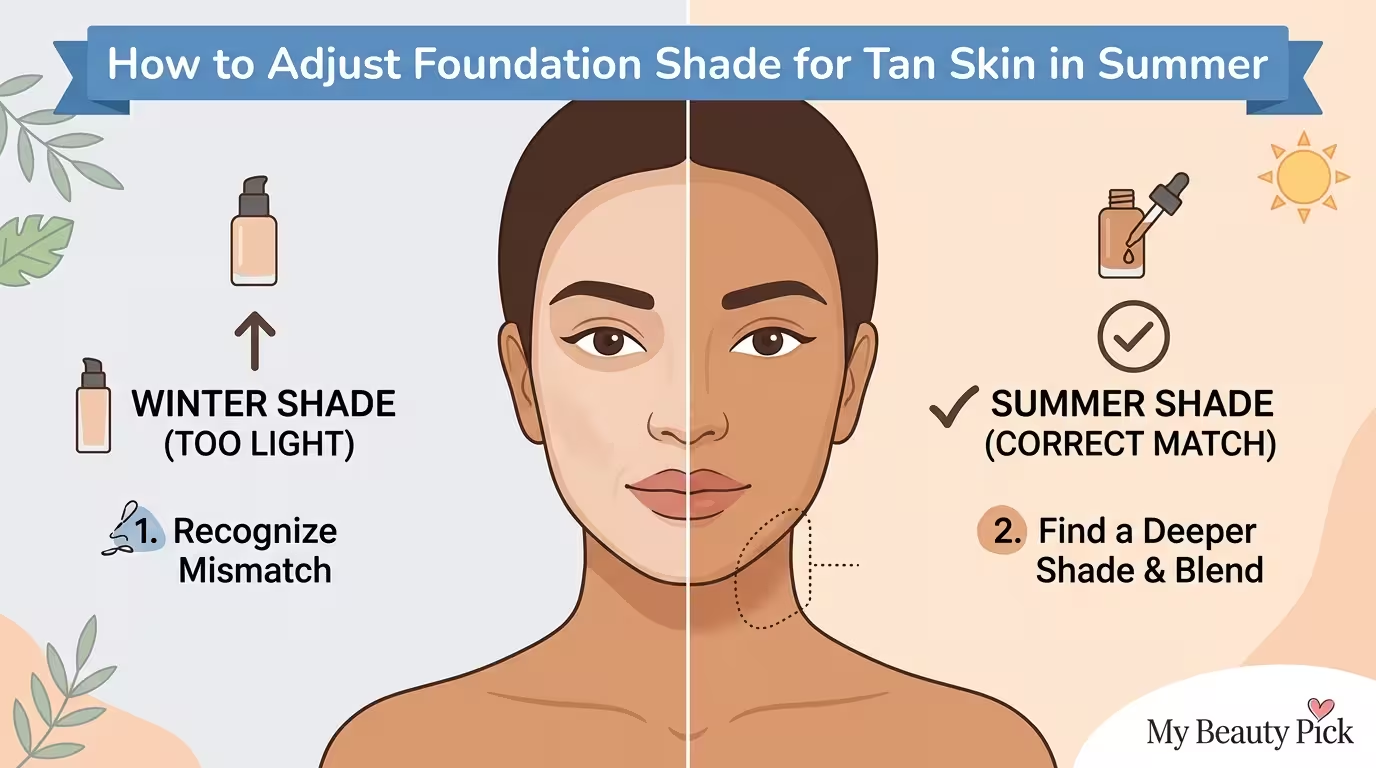
You bought your foundation in March. It was a perfect match. Then July happened: beach weekends, daily commutes in full sun, a week at the coast. And now that same bottle makes you look like you’re wearing a mask. Knowing how to adjust foundation shade for tan skin is one of those seasonal skills that makes the difference between a seamless base and a look that gives itself away.
Why Your Foundation Shade Changes When Your Skin Tans in Summer

Sun exposure increases melanin production in the skin. That’s the body’s natural response to UV light: more melanin means deeper, warmer pigmentation. But tanning rarely happens uniformly. Your forehead catches more sun than your neck. Your arms bronze faster than your décolletage. The result is a face that doesn’t match a single shade in any foundation range.
What usually stays stable through all of this is your undertone: whether you run warm, cool, neutral, or olive. Depth is what shifts. A warm-toned person in winter is still warm-toned in August; they’re just three or four shades deeper. Foundation that ignores this shifts the colour into grey, orange, or a flat ashy cast. None of which you’re going for.
The classic summer foundation problem: your face looks darker than your neck, or your foundation looks noticeably lighter than your jawline. Both signal the same thing: depth mismatch between what’s in the bottle and what’s on your skin right now.
Good to Know
UV exposure deepens skin tone unevenly across the face. Always swatch foundation shade at the jawline in summer, not the inner wrist, not the cheek alone, for the truest seasonal match.
How to Match Foundation to Tanned Skin Using Undertone + Depth
Shade matching for a summer tan is a two-step process. Skipping either one is where most people go wrong.
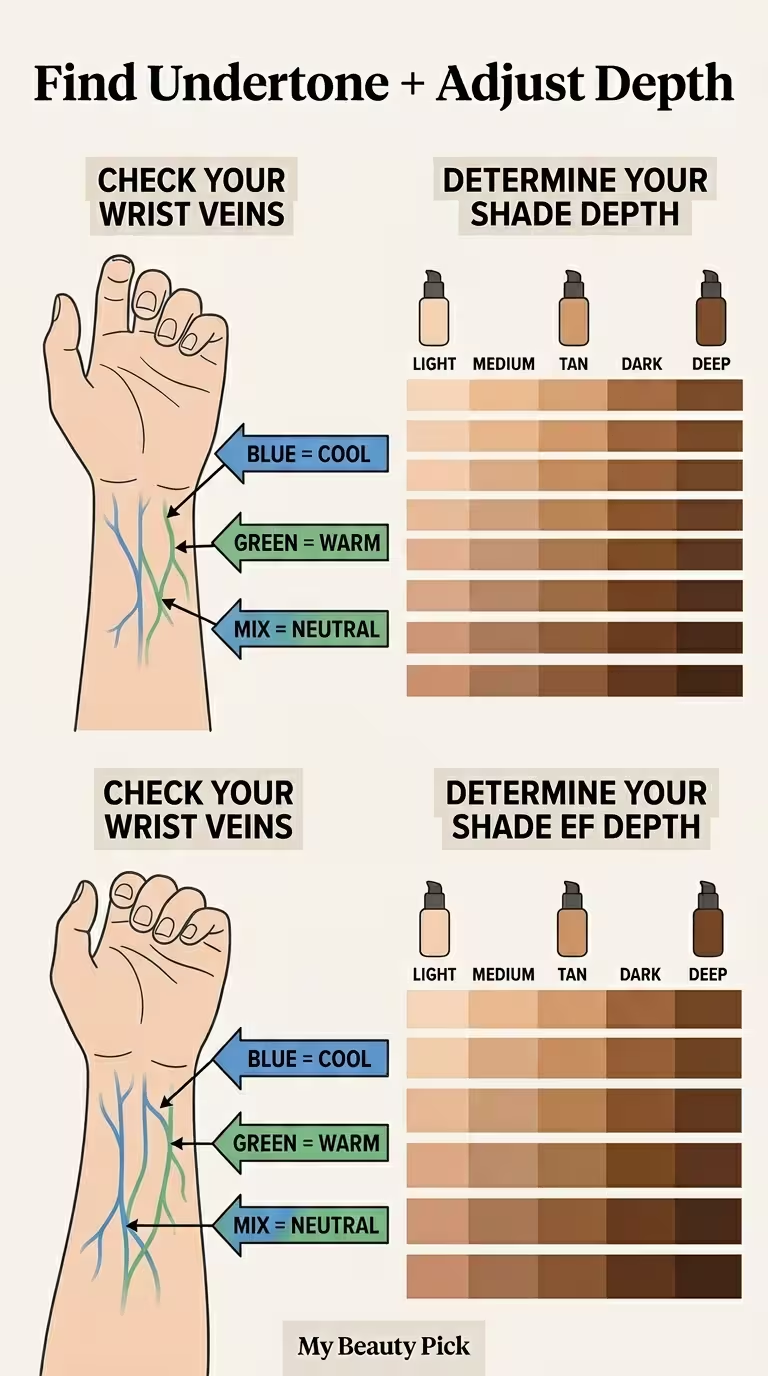
- Confirm your undertone first. Check the veins on your inner wrist: blue-purple reads cool, green reads warm, a mix of both reads neutral. Olive skin typically runs neutral-to-warm. Your undertone stays the same year-round. What you’re shopping for is the same undertone family, deeper shade.
- Adjust depth, not undertone. If your winter shade was NC30 or equivalent, a summer tan moves you toward NC35 or NC40, still warm, just richer in depth. Don’t jump across undertone families. Switching from a warm shade to a neutral-cool one to compensate for tanning is what creates that off, oxidised effect on the skin.
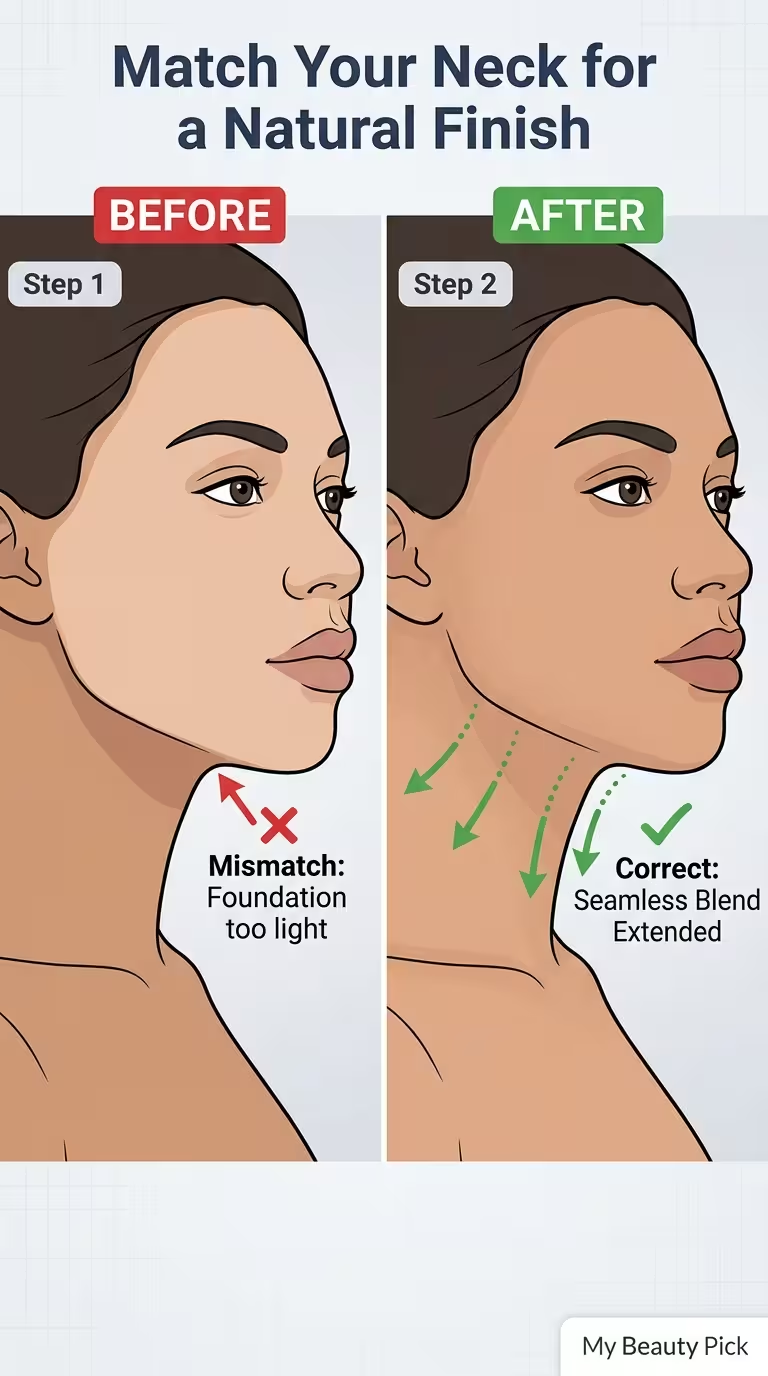
- Check the neck-to-face transition. The face-neck mismatch is the single biggest giveaway of a poorly matched summer foundation. After swatching your shortlist at the jawline, check in natural light. There should be no visible line where the foundation ends.
A common mistake: picking a foundation that matches your cheekbone in the store under artificial lighting, then getting outside to discover your neck is two shades lighter. Stores are not your mirror. Always check in natural daylight before committing.
Foundation Shade for Summer Tan: When to Switch, Mix, or Adjust
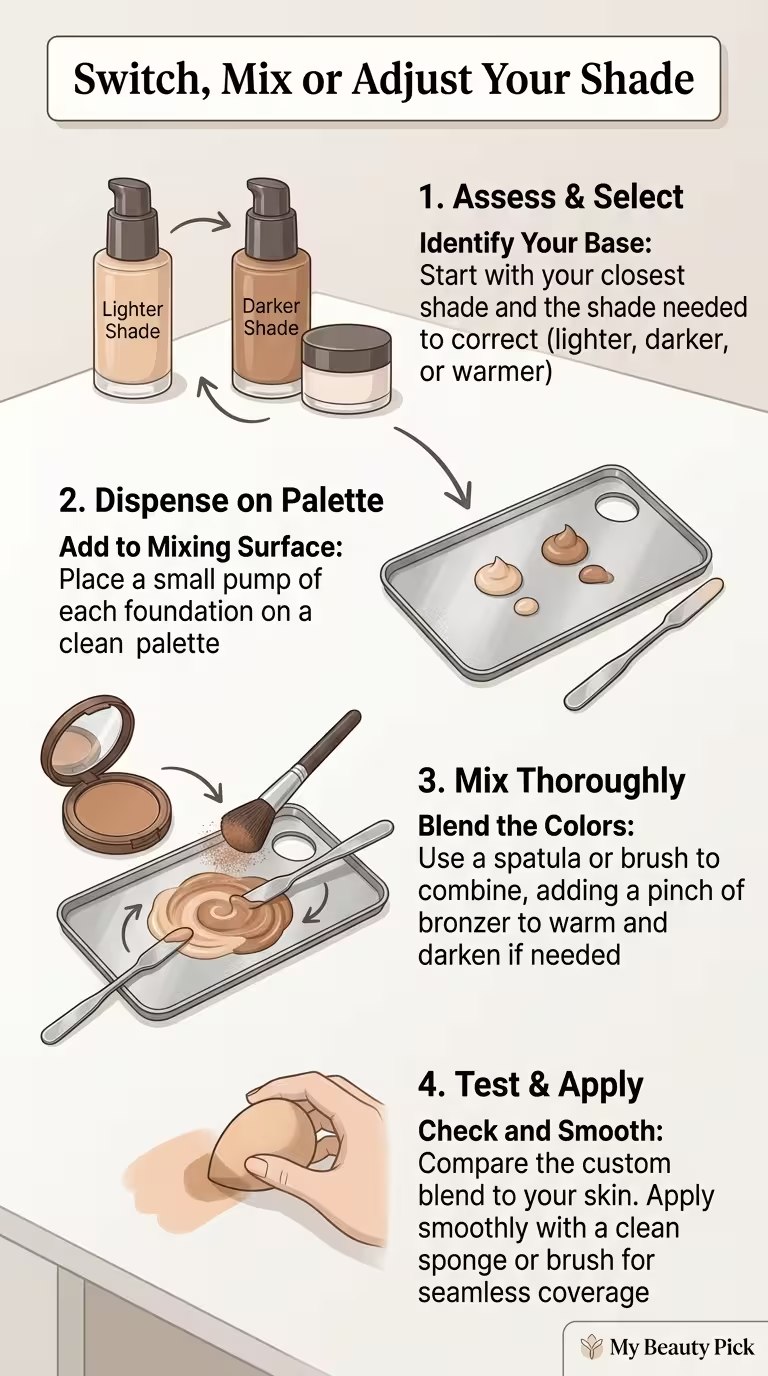
Not every tan needs a new bottle of foundation. The fix depends on how much your skin tone has actually shifted, and whether that shift is even across your face.
- Switch one shade darker when your tan is clear, even, and looks like it’ll hold for at least a few weeks. A consistent all-over deepening means one depth jump is usually enough. This works best for gradual tanning over a full summer, not an abrupt one-weekend beach trip.
- Mix two shades when the tan is uneven, deeper on the forehead and nose and lighter along the jaw, or when you’re sitting between shades and neither option alone is quite right. Start with a 70/30 split (lighter to darker), adjust ratio until the shade disappears into your skin at the jawline.
- Use bronzer instead of changing foundation when the tan is fresh and you’re not sure it’ll last. A light bronzer dusted across the temples, cheekbones, and nose bridges the gap without committing to a new bottle. This is the practical solution for post-holiday glow that will fade in a week.
Keeping both your lighter and deeper shade on rotation through summer is not over-complicating it. It’s just smart. Blend the ratio as the season progresses and your tan builds or fades.
Foundation Shade Adjustment Tips for a Seamless Natural Finish
Sometimes a new foundation isn’t practical or necessary. These are the adjustments that actually work when your current shade is close but not quite right.
- Shade-adjusting drops. A single drop of a deeper shade-adjusting concentrate mixed into your existing foundation shifts the depth without changing the formula or finish. Brands like Nudestix, RCMA, and NYX make these. One or two drops is usually enough; start conservative and build.
- Tinted moisturiser as a bridge. If your full-coverage foundation is too light for your tan, switching to a tinted moisturiser one shade deeper gives sheer, skin-matching colour that blends more forgivingly. It’s not a long-term fix, but it gets you through the first weeks of a fresh tan.
- Neck and chest matching. Extend your foundation (or a watered-down version of it) down the neck to blur the jaw transition. In summer especially, a foundation that stops at the chin looks noticeably masked against sun-exposed skin below.
- Lower your coverage in summer. Heavy full-coverage formulas sit more visibly on the skin in heat and humidity. Dropping down to medium or buildable coverage makes shade mismatches far less obvious, because sheer formulas blend into the skin rather than sitting on top of it.
Quick Fix vs Long-Term Fix
Bronzer correction and shade drops are temporary solutions, great for this week’s tan. If your skin has shifted two or more full shades and it’s staying that way through summer, switching your seasonal foundation is the cleaner approach. Trying to fake a three-shade difference with bronzer every day becomes work.
Common Mistakes When Your Foundation Doesn’t Match Tanned Skin
Most foundation-tan mismatches come down to the same handful of errors. Recognising them is faster than diagnosing them from scratch.
- Wearing winter foundation all summer. Your face has changed. The formula hasn’t. This is the number one cause of that washed-out, ashy look in summer photographs.
- Going too dark too fast. Reaching for a dramatically darker shade immediately after one beach day usually results in an orange or muddy cast. Tans need to settle. Match your current skin, not the skin you’re expecting to have by Friday.
- Ignoring oxidation in heat. Heat and humidity accelerate oxidation, the process that makes foundation read warmer and often darker on the skin over time. If your base looks fine at application but shifts orange by midday, you may be wearing too warm a shade, or the formula is reacting to sweat.
- Matching face only, ignoring neck. The face is only part of the picture. Matching your jawline while leaving the neck visibly lighter undermines the whole base. The transition zone needs attention, especially in summer when necks and chests are often exposed.
- Using bronzer to fix a shade mismatch. Bronzer adds warmth and dimension. It does not correct for the wrong shade. Layering bronzer over a foundation that’s too light creates a murky, layered look rather than a tan-skin illusion.
How to Fix Foundation That Looks Too Light After Tanning
You’ve tanned. The foundation is sitting visibly lighter than your skin. Here’s how to handle it depending on how much time and commitment you’re working with.
Quick Fix
Bronzer Correction
Dust a warm bronzer across forehead, temples, cheeks, and nose. Focus on where the sun naturally hits. Blends the foundation into the skin without switching products. Best for moderate shade gaps of one depth.
Medium Fix
Mix Your Shades
Combine your current foundation with a darker shade (or shade-adjusting drops) on the back of your hand before applying. Adjust the ratio daily as the tan develops. Works well for gradual summer tanning.
Long-Term Fix
Seasonal Switch
When the tan is stable and clearly more than one shade deeper, match a new foundation to your current skin. Keep the original bottle for autumn. Seasonal foundation rotation is normal; most people need two shades.
When mixing, always apply the blended shade on a clean section of jawline and check in natural light before doing your full face. What looks right under a bathroom bulb can read unexpectedly different in daylight.
Best Summer Makeup Strategy for Tan Skin
In humidity and heat, less base is almost always better. Heavy foundations don’t just look obvious on tanned skin; they separate, oxidise, and sit in pores more visibly when the skin is warm and producing oil. Reframing summer foundation as a skin-enhancing layer rather than a coverage layer makes the whole thing easier.
Gel and serum foundations perform reliably in summer: they’re lighter in texture, more breathable, and don’t amplify shade mismatches the way full-coverage formulas do. A skin tint or tinted SPF used as a base, topped with a light coverage foundation only where needed, gives a natural result that doesn’t require precise shade matching.
Sweat-resistant layering matters too. Setting your base with a translucent or lightly tinted pressed powder increases longevity without altering the shade you’ve matched. Avoid heavy baking in summer; it reads cakey in heat and can emphasise the line between foundation and bare skin.
Finally, let your tan work for you. Tanned skin often needs less base than you think. The unevenness you’re trying to correct with foundation is frequently more visible to you in the mirror than it is to anyone standing in front of you.
Final Thoughts on Adjusting Foundation Shade for Tan Skin
The core principle is straightforward: when you tan, your depth changes, but your undertone stays the same. That single fact resolves most summer shade-matching confusion. You’re not looking for a different kind of foundation. You’re looking for the same one, stepped one or two shades deeper.
Summer tanning is gradual and uneven, which means shade adjustment is ongoing rather than one-and-done. Check the jawline match every few weeks as the season progresses. Having two shades on hand and mixing between them is one of the simplest, most practical things you can do for your base routine from June through September.
Getting your foundation right for tan skin isn’t complicated when you know what to look for. Adjust for depth, protect the undertone match, and keep the formula light. The rest takes care of itself.