

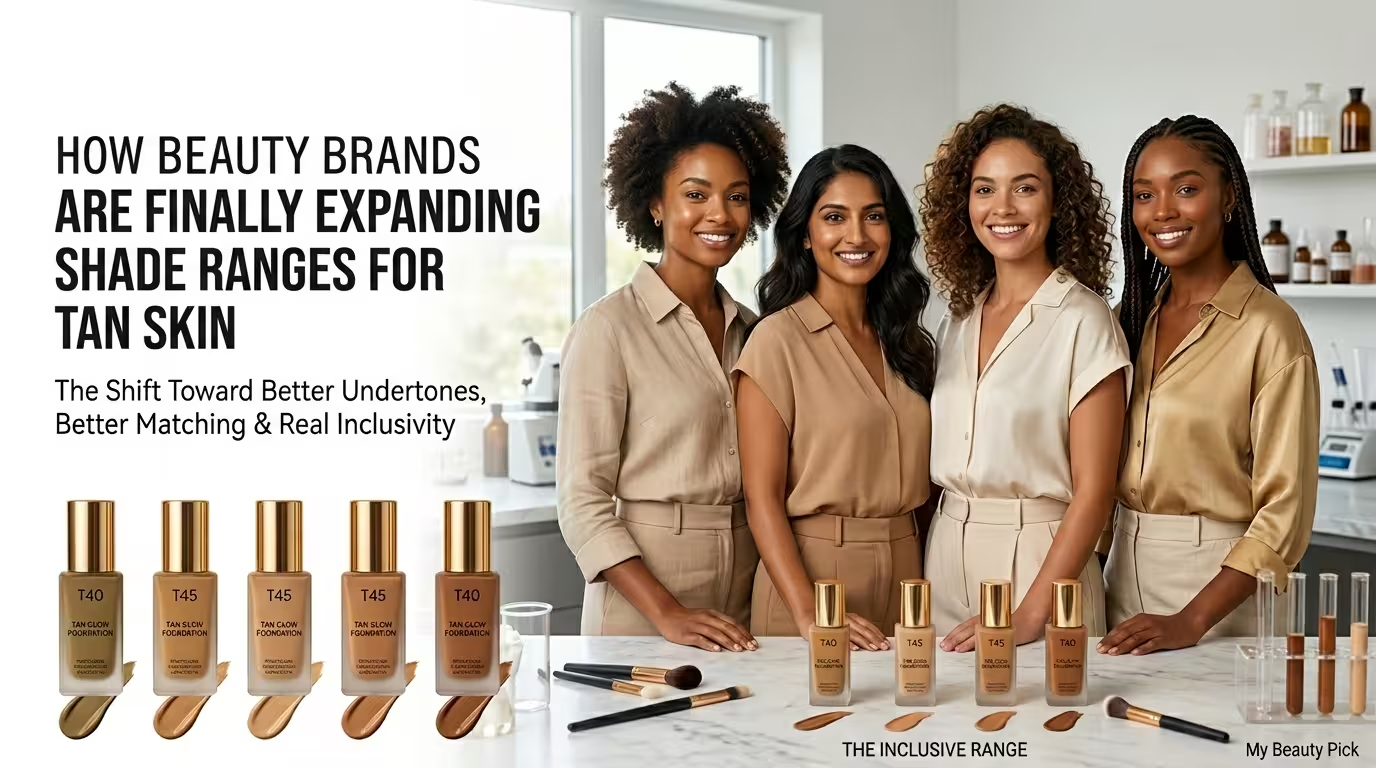
For years, the foundation aisle was a compromise for anyone with tan or medium-deep skin. Shade ranges were built around a light-to-dark linear scale that rarely accounted for the real complexity of warmer, golden, or olive undertones. Many shoppers ended up mixing formulas, buying two shades and blending, or just accepting a finish that never quite looked right. The way beauty brands are expanding shade ranges for tan skin has shifted that reality in a meaningful way — though not without limitations that still need addressing.
Why Shade Inclusivity for Tan Skin Became an Industry Priority
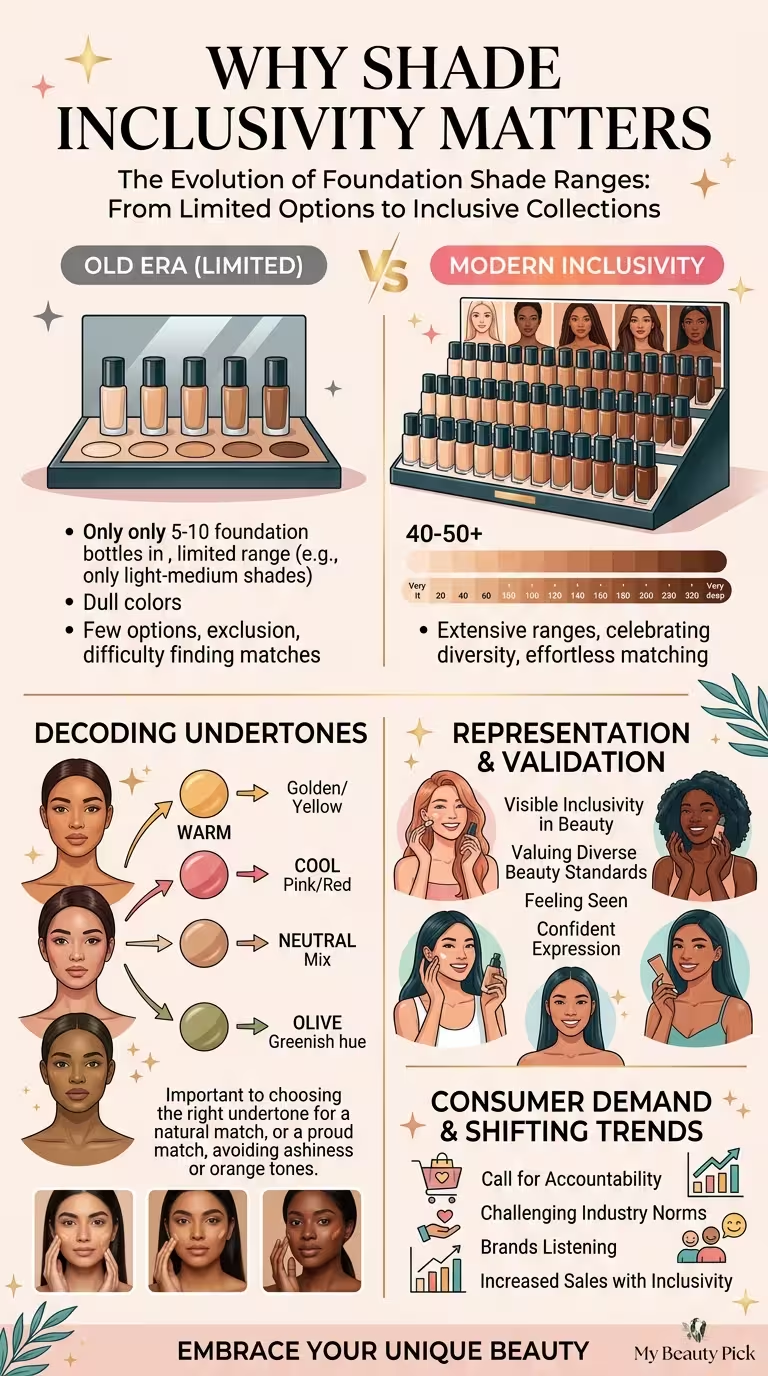
The conversation around shade inclusivity accelerated when social media made product mismatches undeniable. Videos showing foundations turning orange, ashy, or chalky on tan skin circulated widely and put real pressure on brands that had previously relied on a handful of mid-range options to cover an entire spectrum of complexions.
But the underlying problem was never just about having “more shades.” The deeper issue was undertone accuracy. Tan and medium-deep skin tones carry a wide range of underlying pigments — warm golden, red, neutral, and olive — and those don’t behave the same way under daylight, indoor lighting, or humid conditions. A single “medium tan” shade that covered all of those needs was never realistic. Brands began to understand that mid-range shades needed the same undertone diversity that lighter categories had always received.
Global market growth also accelerated this shift. As beauty brands expanded into South Asian, Latin American, and Middle Eastern markets, the demand for accurate undertone mapping at the medium-to-deep range became a commercial necessity, not just a values statement.
How Foundation Development Actually Changed
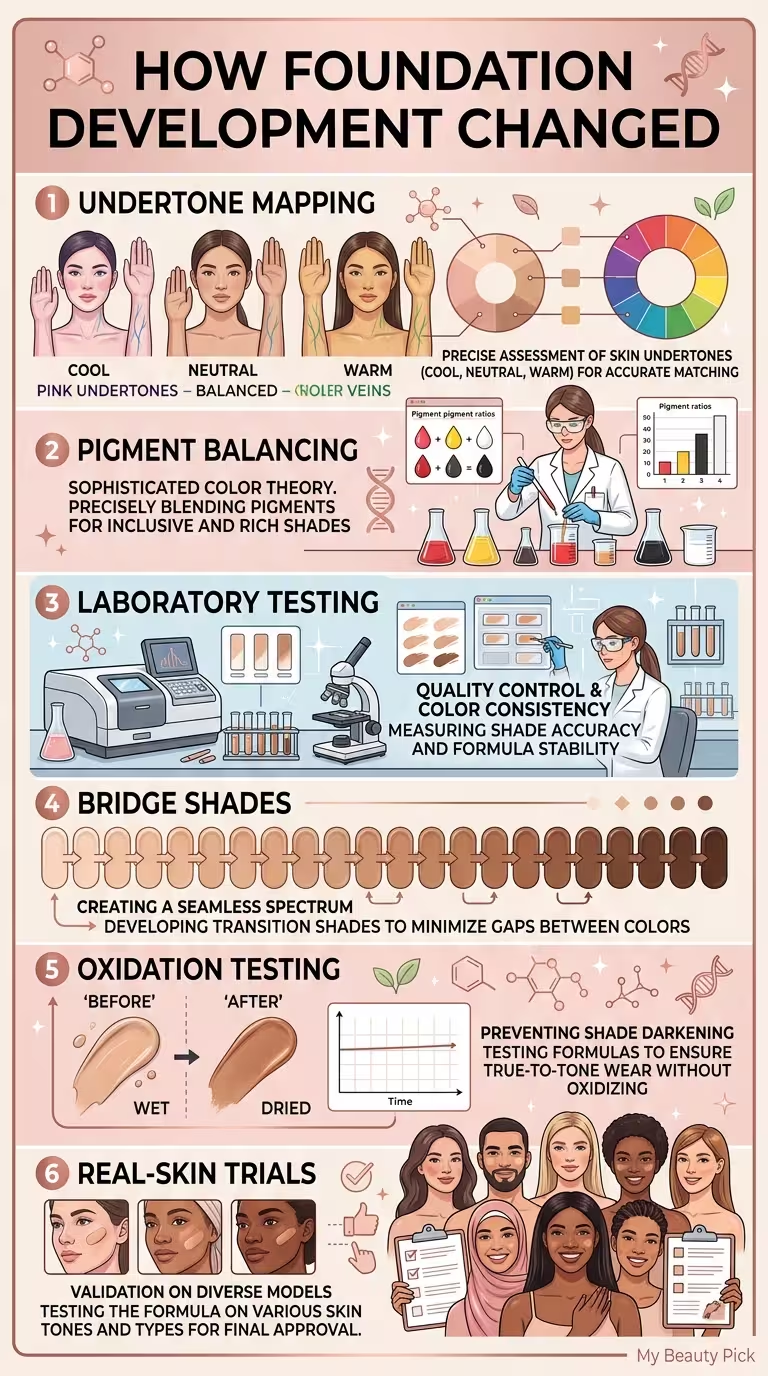
The technical work behind shade expansion is more involved than simply adding a darker cap to an existing formula. Modern foundation development for tan skin now focuses on undertone science and real-skin testing, rather than scaling color values from existing light shades.
One noticeable shift is the growth of what brands internally call “bridge shades” — those that sit between traditional medium and deep categories and capture the range where tan complexions often fall. These aren’t just darker mediums. They’re formulated with different pigment ratios that account for warmer and more complex undertones.
Oxidation control has also become a focal point. Foundations that look matched in the store often shift warmer or darker after 30 to 60 minutes of wear, particularly in humid climates. For tan skin, this creates a visible mismatch that lighter complexions don’t experience as dramatically. Newer formulations are designed to minimize pigment oxidation, which directly improves the inclusive foundation shades for medium tan skin that have historically been the hardest to get right.
Testing has also changed. More brands now run shade panels that include a broader range of real complexions throughout development, rather than adjusting shades at the end of the process.
What “Better Shade Matching” Actually Means in Practice
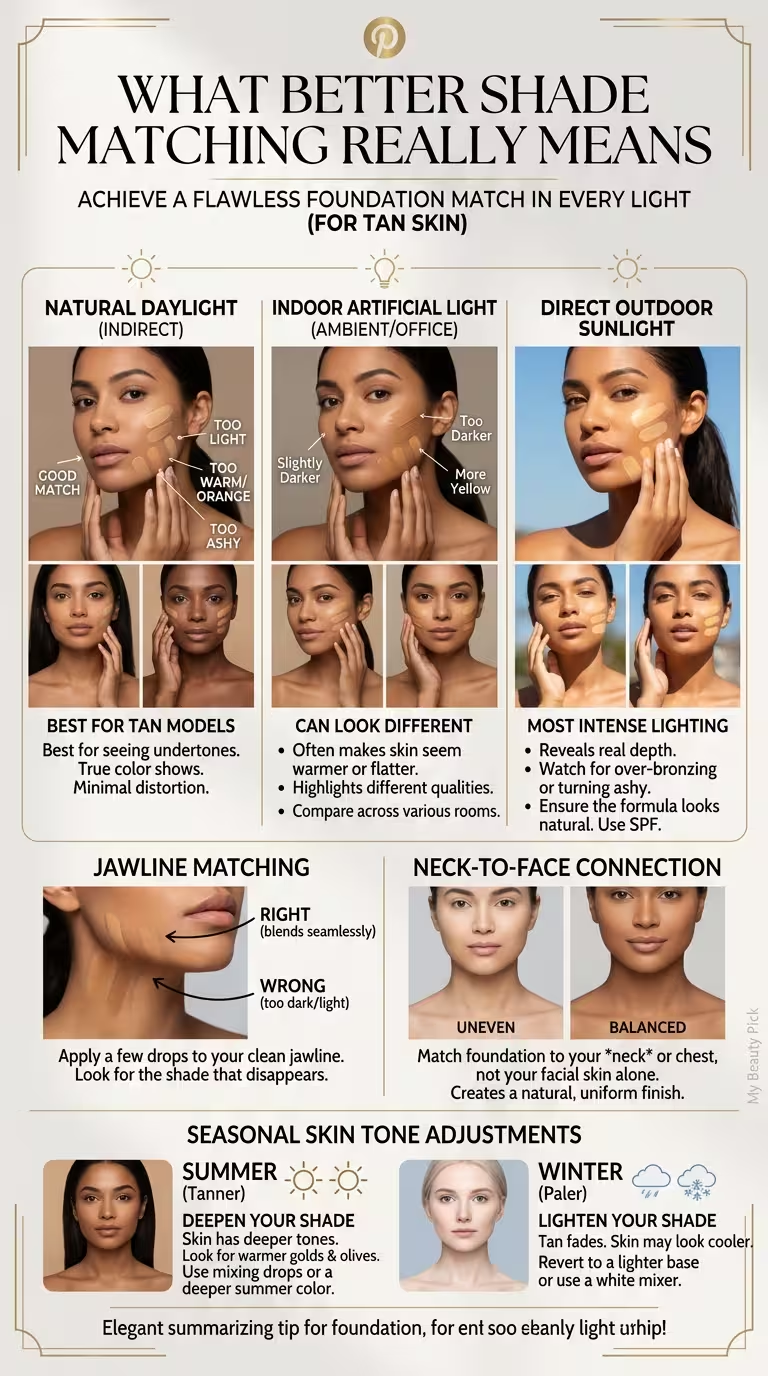
A better shade range for tan skin is less about the number of options and more about how a shade performs across different conditions throughout the day.
The most useful improvements show up in:
- Daylight vs. indoor consistency — shades that don’t read completely differently depending on lighting
- Neck and chest alignment — particularly important for tan skin, where face and body tone often differ
- Seasonal flexibility — the ability to use the same shade or a minor adjustment as skin tans and fades across the year
A shade labeled “medium tan” in a modern range is now often developed against multiple undertone references rather than a single fixed target. That’s a real shift from how formulations worked even five years ago. The result is foundation shades for caramel skin tone that hold up to actual wear rather than looking matched only at the point of application.
Challenges That Still Remain
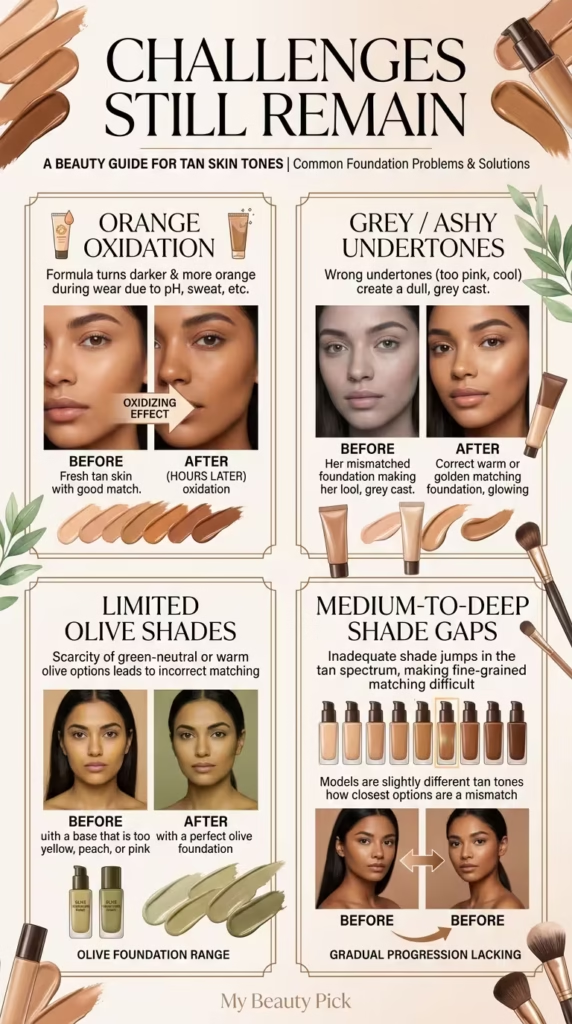
Despite genuine progress, the foundation shade range for tan skin still has gaps that experienced shoppers will recognize immediately.
Shades at the medium-to-deep border are the most common pain point. That space — where a tan complexion might sit during summer but not winter — often has the fewest undertone variations. What exists tends to lean orange-warm or cool-grey, with limited options for skin that reads neutral or olive at that depth.
Formula inconsistency across finishes is another persistent issue. A brand might develop well-matched shades in a matte formula, but the dewy or satin version of the same shade reads differently on skin. Tan complexions tend to expose this more visibly than lighter ones.
And the seasonal issue hasn’t been fully solved. Sun exposure shifts tan skin faster and more visibly than lighter skin, which means a static shade range still requires more frequent switching or mixing for people whose complexion changes significantly between seasons.
How Consumer Behavior Shaped the Direction
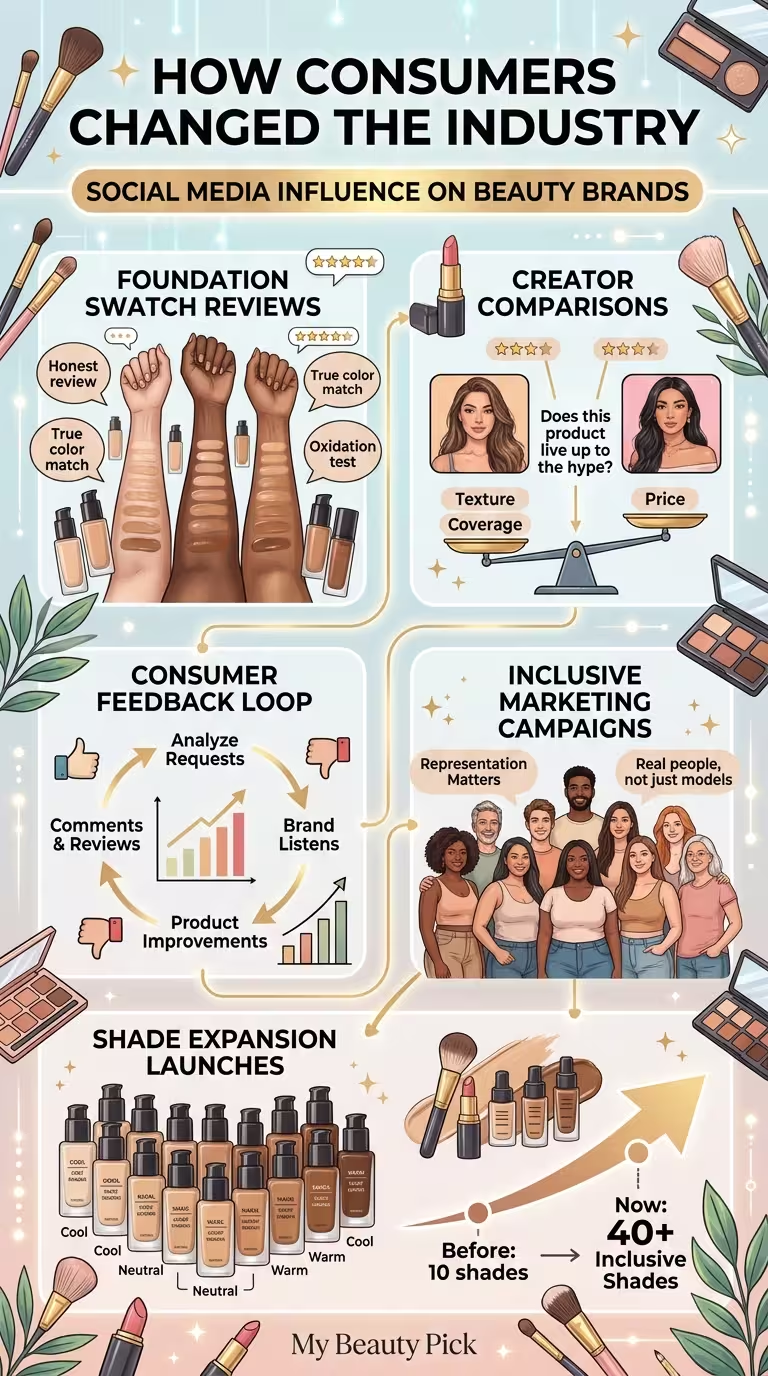
The beauty brand shade expansion trends visible today were largely driven by documented consumer frustration rather than internal product audits. Shade comparison content on social platforms — showing how foundations swatched on tan skin in marketing versus real wear — created accountability that previously didn’t exist.
This led to two changes. First, brands began commissioning shade extension launches rather than new product lines, which signaled that the existing shade structure needed correction rather than replacement. Second, the way shades are displayed online started shifting — away from flat swatches on white backgrounds and toward applied photography across real diverse skin tones.
Consumer pressure also pushed brands to show more medium-deep skin tone representation in campaigns, not just in shade count. The combination of demand for realistic swatching, undertone representation, and actual campaign visibility created a feedback loop that changed how brands prioritized development.
How to Navigate Expanded Shade Ranges as a Tan Skin Shopper
Better ranges don’t automatically mean easier shopping. For anyone with tan or caramel skin, choosing correctly still requires understanding how undertones interact with your skin’s specific chemistry.
A few practical approaches that hold up consistently:
Test in natural light whenever possible. Store and mall lighting tends to flatten undertones in ways that mask a mismatch until you’re outside.
Compare against your jawline and neck, not just your face. Tan skin often shows more contrast between the face and neck, which makes matching the deeper point more useful.
Watch for oxidation before committing. Apply, wait 30 minutes, then evaluate. This is especially important for medium deep foundation shade options, where the formulas are more likely to shift.
If your skin moves significantly between seasons, building a two-shade system — slightly lighter for winter, slightly deeper for summer — tends to produce better results than chasing a single perfect match year-round.
Where the Industry Is Heading
The next phase of diverse foundation shade range development appears to be moving toward more adaptive systems. Adjustable foundation drops that modify depth or undertone, tone-responsive pigment formulas, and AI-based shade matching tools are all in development or early commercial release across multiple brands.
The logic behind these tools is sound: they remove the guesswork from seasonal skin changes and undertone variation without requiring shoppers to re-evaluate an entire lineup. Region-specific undertone mapping — building shade families around the skin tone distributions of specific global markets — is also emerging as a more structured approach to undertone inclusive foundation ranges.
These aren’t novelty additions. They represent a structural rethinking of how foundation is sold, matched, and used across diverse complexions.
Final Thoughts
The progress in how beauty brands are expanding shade ranges for tan skin represents more than a diversity initiative — it reflects real changes in formulation science, testing methodology, and commercial strategy. Undertone accuracy at the mid-range is measurably better than it was a decade ago, and the consumer tools for evaluating shade ranges are sharper than ever.
Gaps remain, particularly in the medium-to-deep transition zone and in formula consistency across finishes. But the direction is clear. Foundation development is moving toward systems that treat tan and caramel complexions as full-range categories with their own undertone complexity — not as an afterthought at the edge of a light-skin-first scale.