

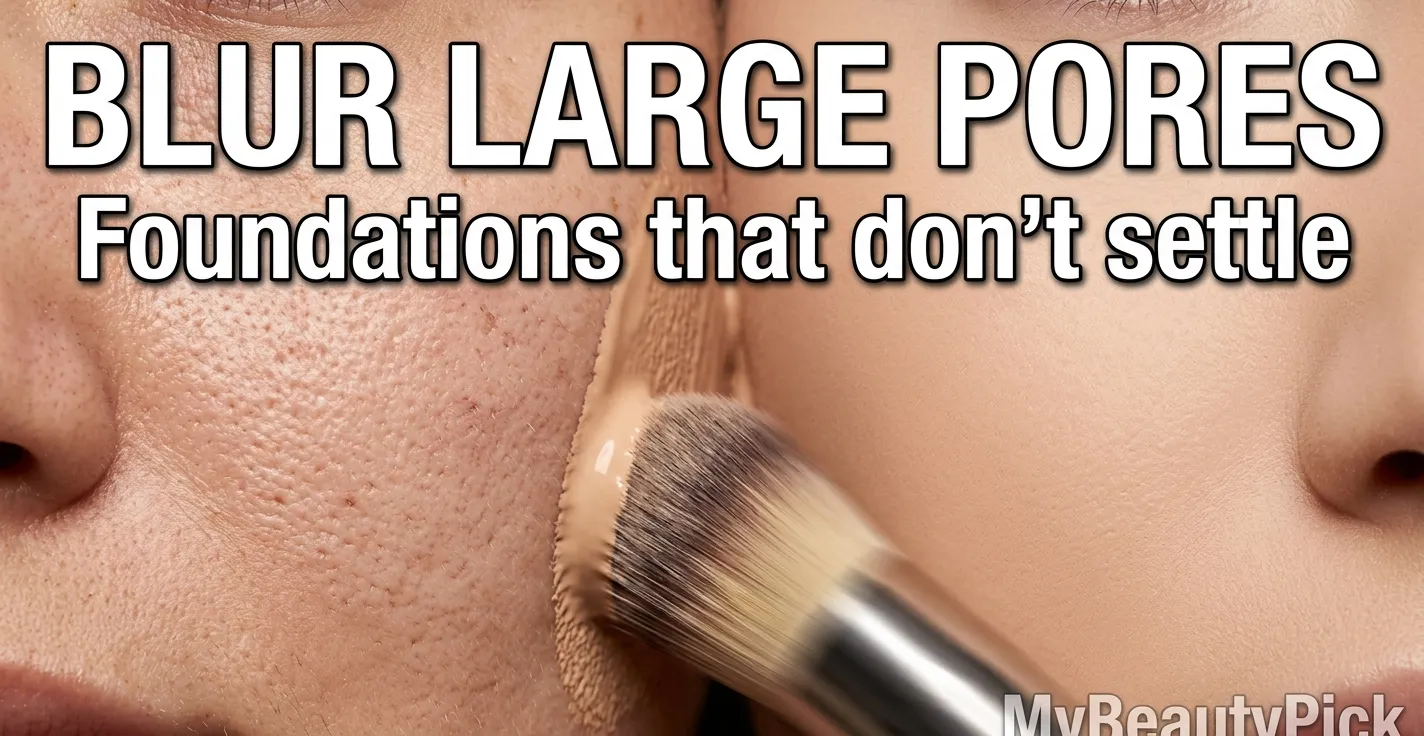
If you’ve ever watched a foundation sink straight into your pores five minutes after applying it, you know the frustration. The wrong formula doesn’t just fail to hide large pores and texture — it actively draws attention to them, pooling in every divot and emphasizing every bump.
The good news: pores and texture aren’t a flaw to “fix,” and the right foundation can blur them beautifully without looking cakey or heavy. Below, we break down exactly what to look for in a good foundation for big pores, plus the best foundation for large pores and textured skin (and wrinkles) across budgets, finishes, and skin types.
Why Foundation Settles Into Pores and Texture in the First Place
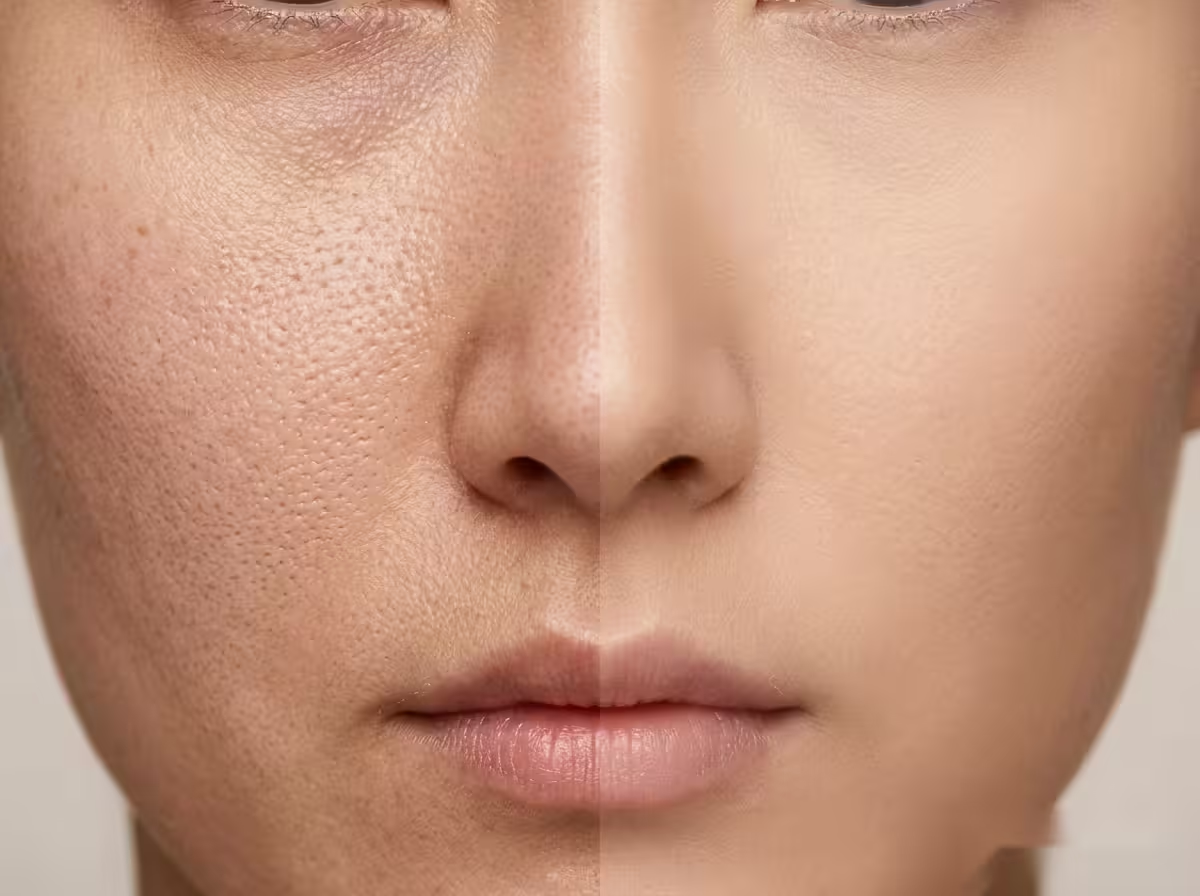
Large pores happen when oil glands are bigger or more active, often paired with sun damage, aging, or genetics. Textured skin — the bumpy, uneven feel you notice when you run a finger across your cheek — can come from dehydration, dead skin buildup, acne scarring, or fine lines.
Most foundations make both look worse for one simple reason: heavy, thick formulas pool into low points on the skin (pores, fine lines, scarring) while sitting flat on raised areas. That contrast is what makes texture more visible, not less. The fix isn’t more product — it’s the right product, applied the right way.
What to Look for in a Foundation for Large Pores
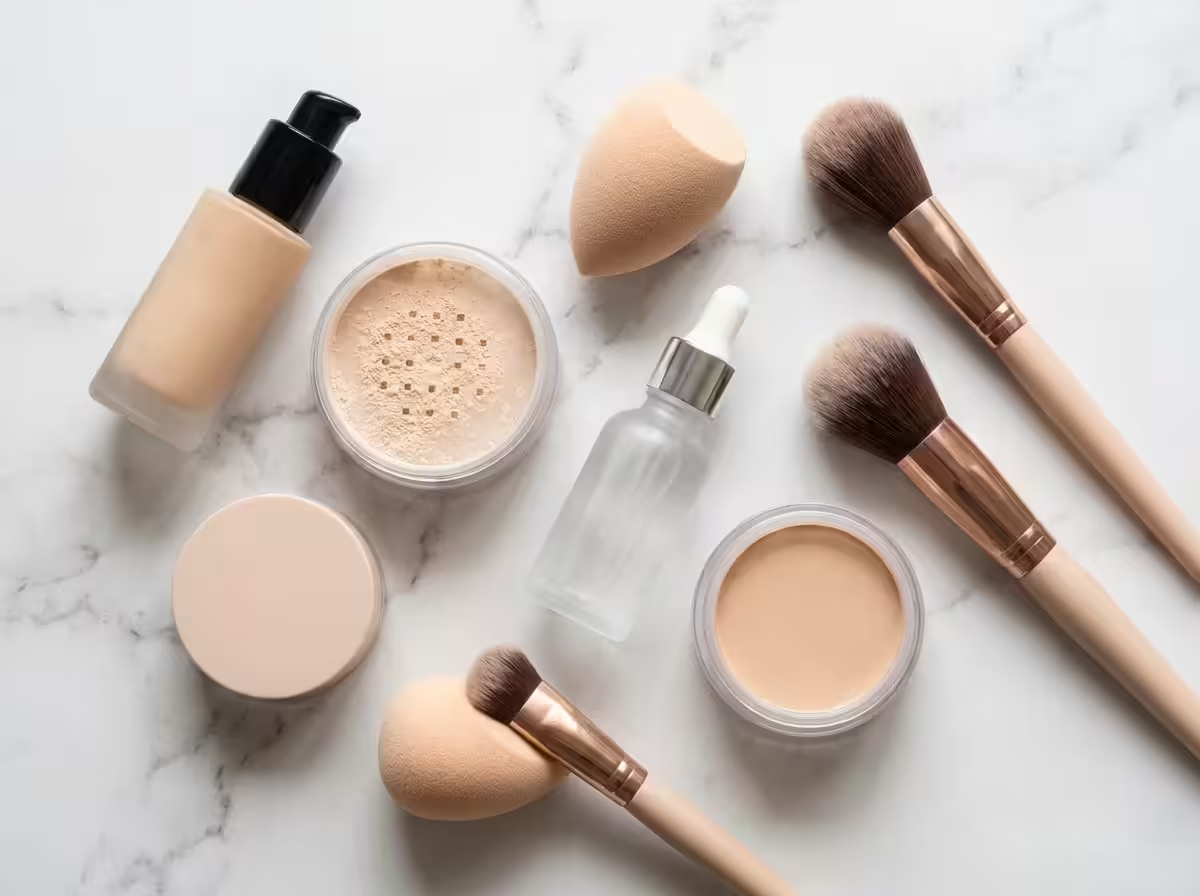
- A lightweight, buildable formula. Thin, fluid textures sit closer to the skin and are far less likely to pool into pores than thick, creamy ones. Start with one layer and build only where you need it.
- A blurring or “soft-focus” finish. Ingredients like silica and light-diffusing powders scatter light across the skin’s surface, which optically softens the look of pores and texture.
- Matte or natural-matte finish over dewy. Shine and pores are a bad combination — a dewy or illuminating foundation reflects light directly into enlarged pores, making them more obvious. A satin or matte finish is more forgiving.
- Oil-control technology for oily/combination skin. Pores look larger when they’re filled with excess sebum, so a foundation that manages shine throughout the day helps keep texture in check.
- Hydrating, skin-loving ingredients for mature or textured skin. If pores are paired with fine lines and wrinkles, look for hyaluronic acid, peptides, and niacinamide. These help plump skin from within so foundation has a smoother surface to sit on, rather than settling into crepey texture.
- Avoid alcohol-heavy and heavily fragranced formulas, which can dry out skin and exaggerate both fine lines and rough texture over the course of a day.
The Best Foundations for Large Pores and Textured Skin
1. Best Overall: A Lightweight, Long-Wear Liquid Foundation
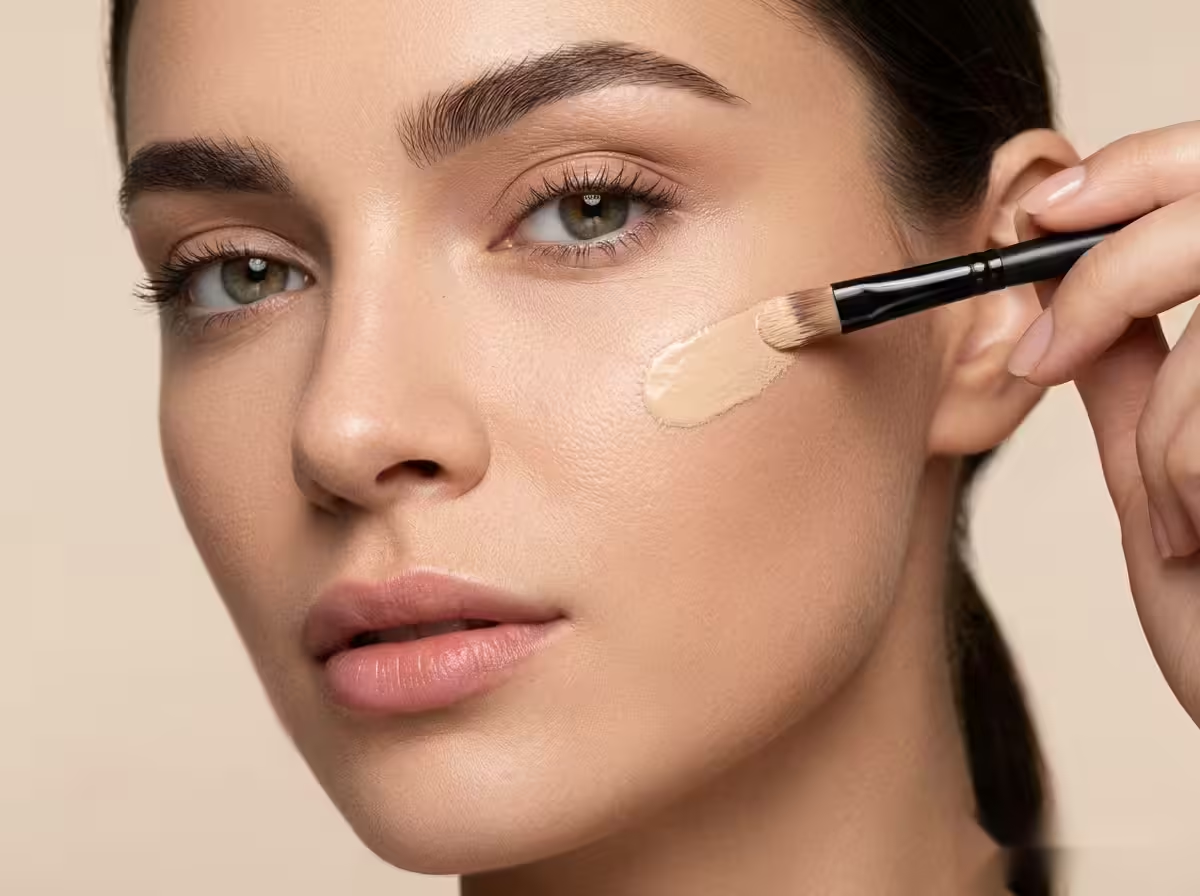
Look for a fluid, medium-coverage formula with a true matte-to-natural finish and a long-wear claim. These tend to be buildable enough to start sheer and layer up only where needed (around the nose and cheeks, where pores are usually largest), without ever looking thick. Hyaluronic acid in the formula helps keep skin hydrated underneath, so the finish doesn’t look powdery or dry by midday.
Best for: combination and normal skin that wants all-day wear without heaviness.
2. Best Budget Pick: A Drugstore Matte + Poreless Foundation
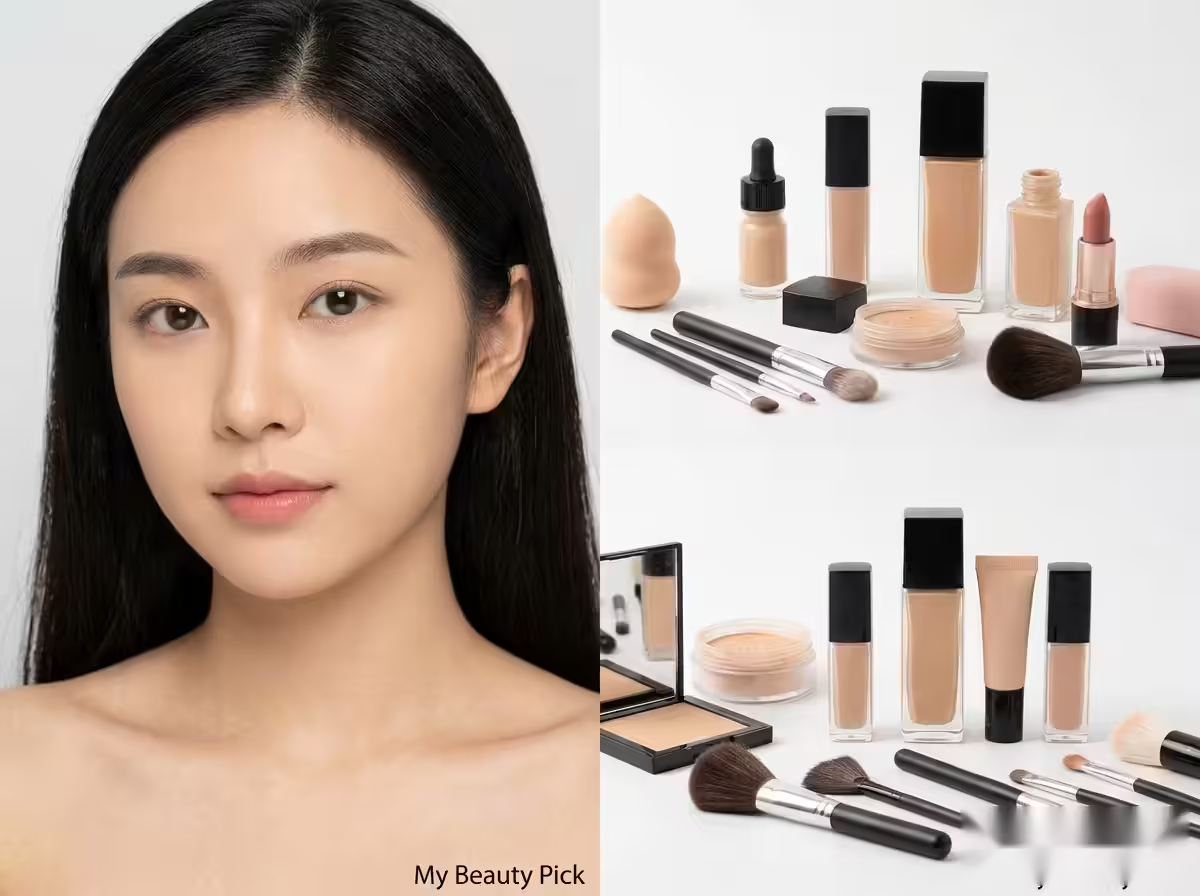
You don’t need a luxury price tag to get a poreless-looking finish. Drugstore lines have leaned hard into “poreless” and “blurring” formulas in recent years, using micro-fine powders that absorb oil and diffuse light, all for under $15. These are an easy entry point if you’re testing whether a matte finish works for your skin before investing in a pricier formula.
Best for: oily and combination skin on a budget.
3. Best for Wrinkles and Mature Skin: A Hydrating Stick or Cream Foundation

For skin that has both visible pores and fine lines, liquid sticks and cream formulas tend to outperform powders, which can cling to dry patches and crease into lines. Look for a formula built around peptides and hyaluronic acid that melts into skin rather than sitting on top of it. A dewy-but-not-shiny natural finish photographs better on mature skin than a flat matte.
Best for: dry, mature skin with both pores and wrinkles.
4. Best for Oily Skin: A Soft-Matte, Oil-Absorbing Foundation
Oily skin and large pores often go hand in hand, so a foundation designed specifically to control shine for 12-16 hours is worth seeking out. These formulas typically use oil-absorbing technology to keep pores from looking enlarged as the day goes on, without the flat, mask-like look of older mattifying foundations.
Best for: oily and acne-prone skin.
5. Best Powder Formula: A Pressed or Compact Powder Foundation
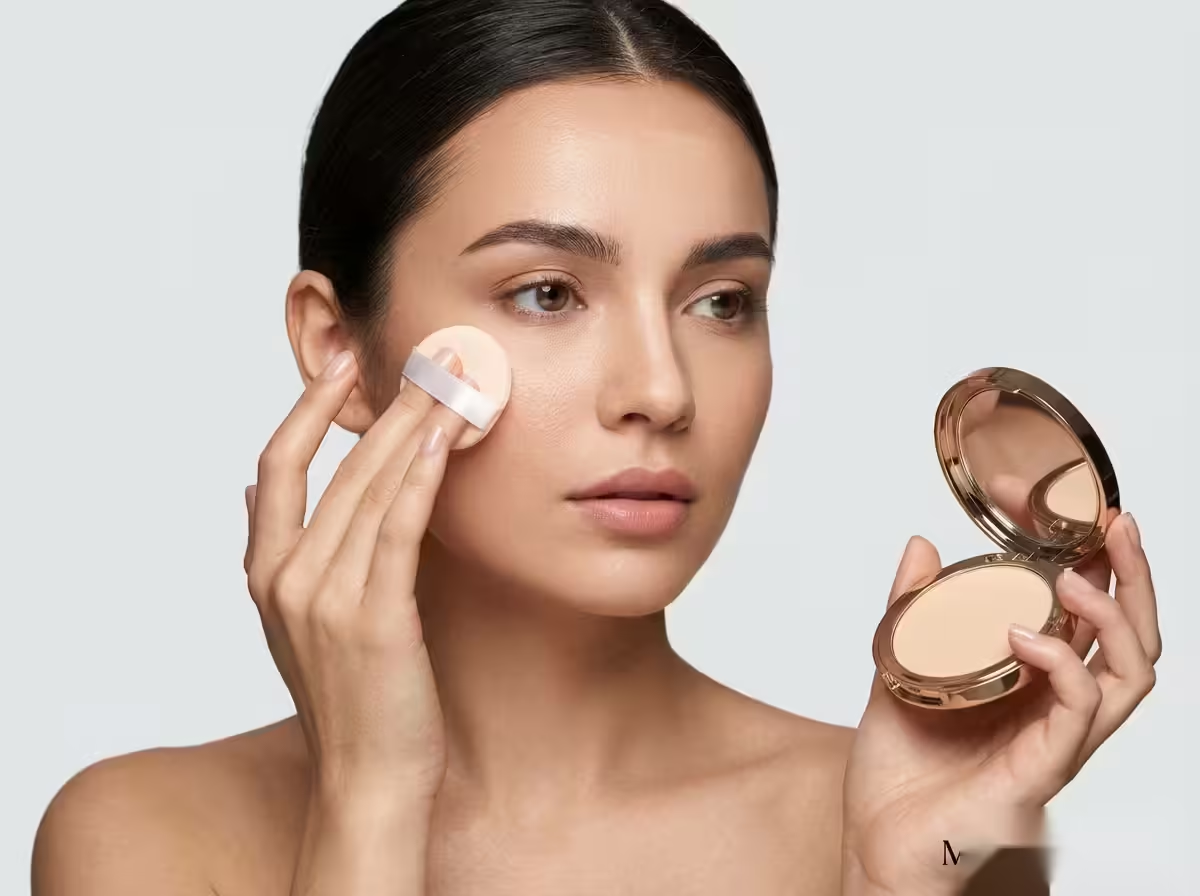
If liquid foundations consistently feel too heavy, a finely milled pressed powder can deliver a soft, velvety, light-diffusing finish that blurs pores without adding obvious product on top of skin. These work especially well for touch-ups midday, when oil has started to resurface texture.
Best for: oily skin, or anyone who prefers powder-to-skin application.
6. Best Lightweight, Natural-Finish Foundation
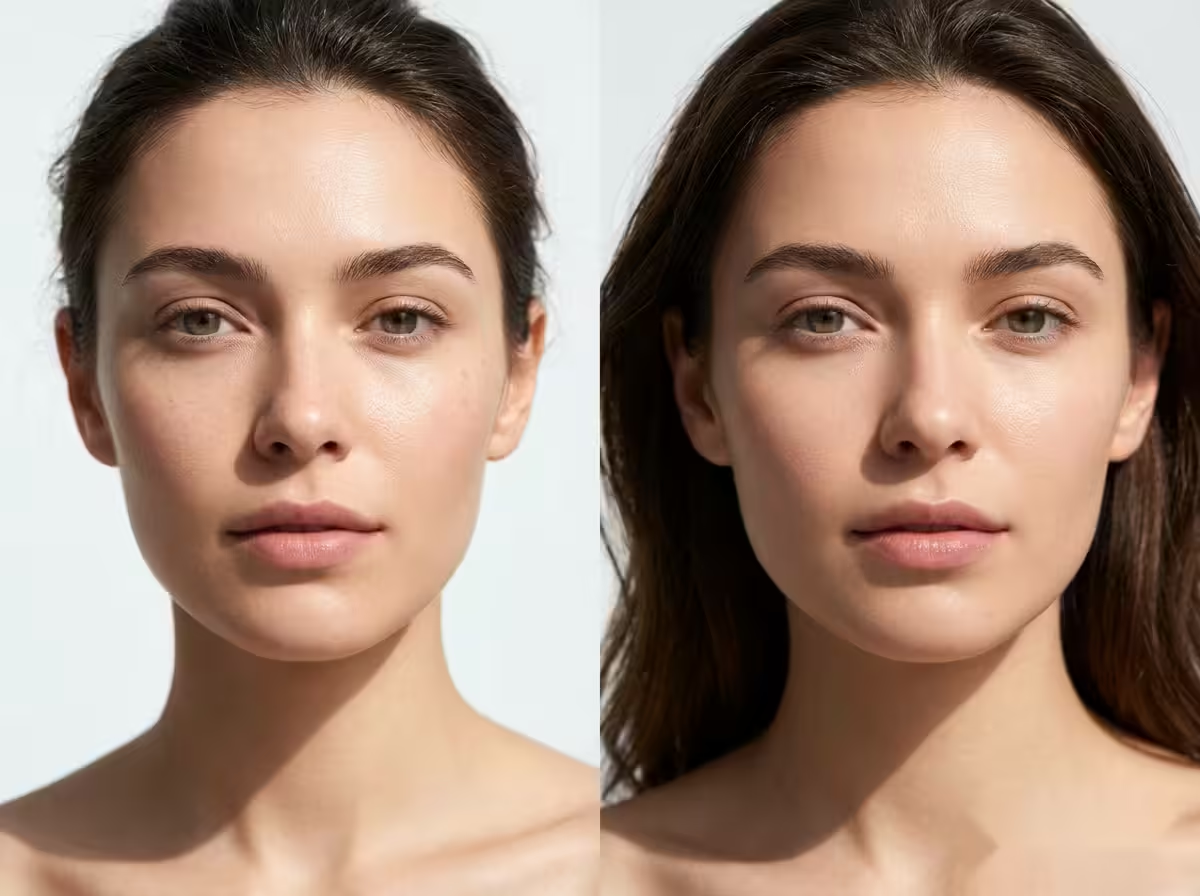
Serum-style and “skin tint” foundations have surged in popularity because they’re nearly weightless and let real skin show through while still evening out tone. They’re highly concentrated, so a small amount goes a long way, and they blend seamlessly at the edges of pores rather than sitting in a visible layer on top.
Best for: normal to combination skin that wants a “no-makeup makeup” look.
7. Best Full-Coverage Option: A Blurring, Full-Coverage Liquid
When you need to cover redness, scarring, or hyperpigmentation in addition to texture, reach for a full-coverage formula specifically engineered to blur rather than just conceal. The best of these use a soft-matte finish and apply in thin layers that build seamlessly, so coverage never reads as thick or mask-like.
Best for: textured or scarred skin that needs more coverage without emphasizing pores.
8. Best for Textured, Bumpy Skin: A Silicone-Based Smoothing Foundation
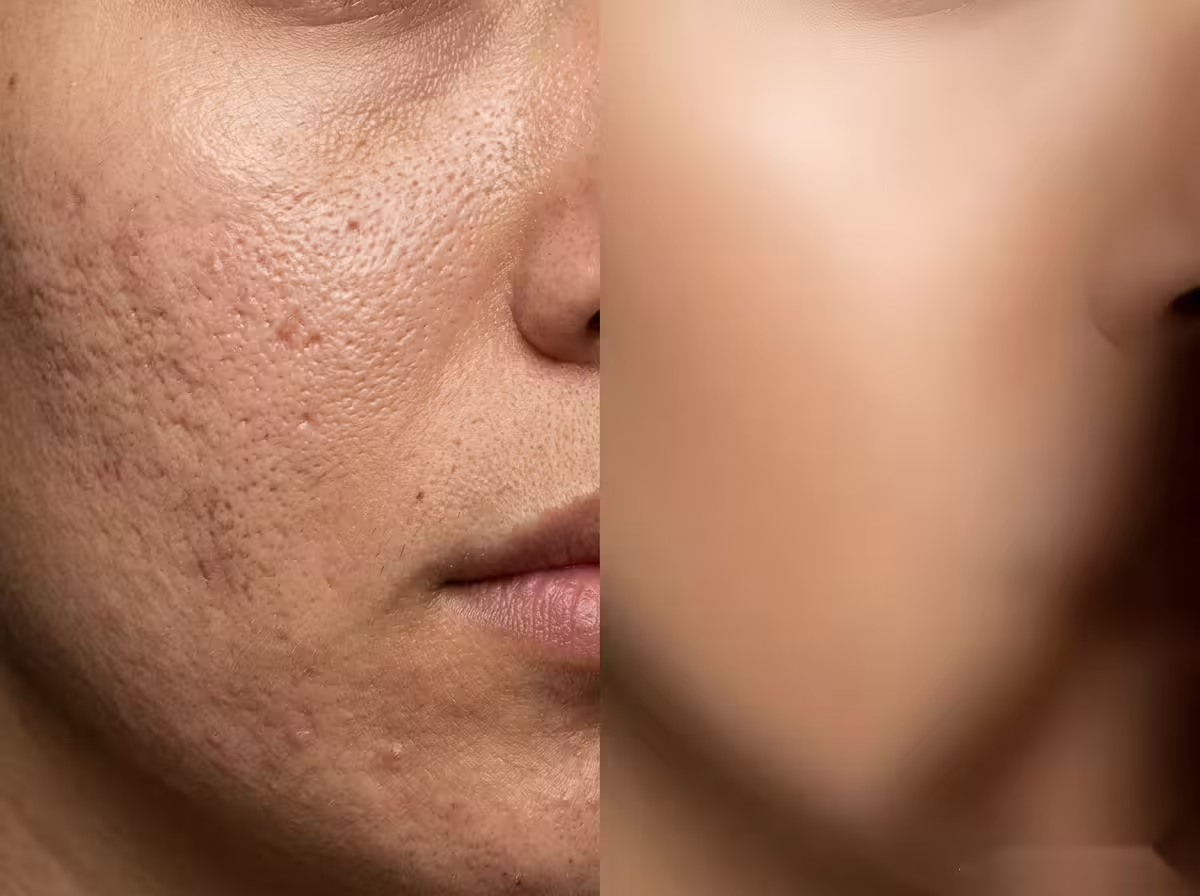
Silicone-forward formulas are specifically designed to fill in uneven texture, fine lines, and enlarged pores, creating an optical “soft-focus” effect. They tend to glide on rather than drag across raised or bumpy areas, which matters most for skin with visible texture from acne scarring or congestion.
Best for: any skin type dealing with visible bumps, scarring, or congestion-related texture.
9. Best Satin Finish: A Skincare-Infused Satin Foundation
Sitting between matte and dewy, a satin finish foundation gives skin a soft sheen without the light-bouncing shine that draws attention to pores. Many of these newer formulas are infused with botanical extracts and hyaluronic acid, so they support skin while wearing.
Best for: combination skin that finds matte too flat and dewy too shiny.
10. Best Oil-Free Pick: A Water-Based, Oil-Free Liquid Foundation
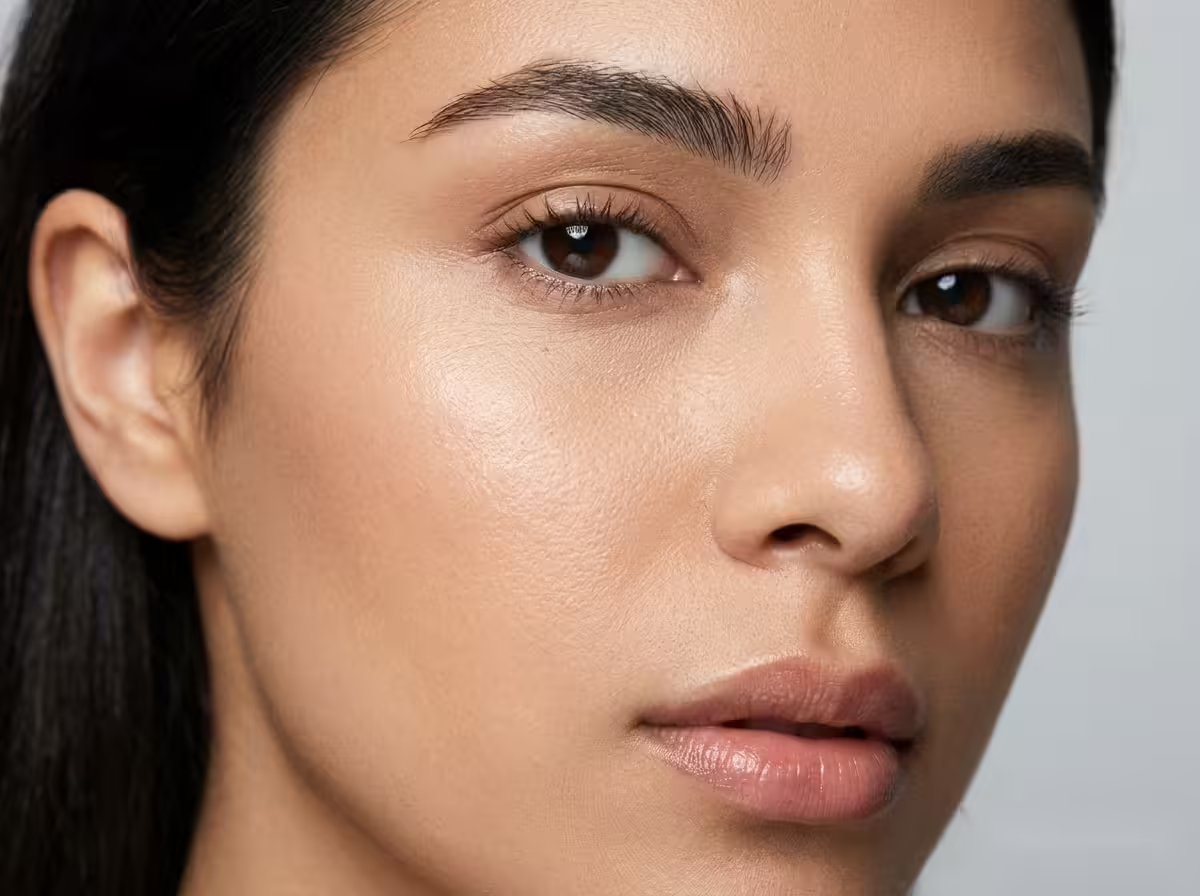
For anyone whose pores are worsened by excess oil but who still wants a hydrated, photo-friendly finish, a water-based formula (rather than silicone- or oil-based) is worth seeking out. These tend to resist “flashback” in photos and provide medium-to-full coverage with a natural finish that doesn’t slide around as the day goes on.
Best for: oily skin that still wants a hydrated, natural look.
How to Apply Foundation So It Doesn’t Settle Into Pores
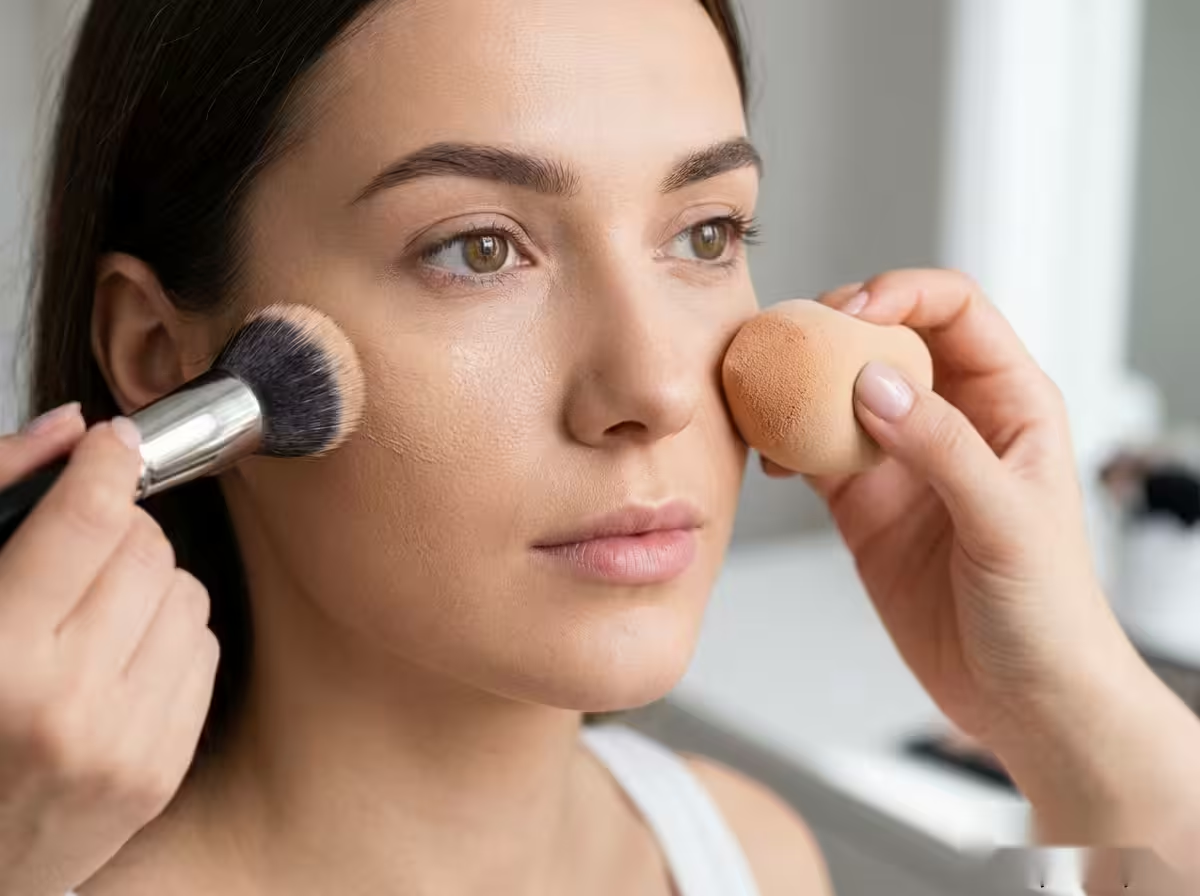
Even the best foundation for large pores and textured skin can look worse with the wrong routine. Three steps make the biggest difference:
1. Prep skin properly. Cleanse, exfoliate gently (a couple times a week, not daily), and moisturize before applying any makeup. Built-up dead skin and dehydration both make pores and texture look more pronounced.
2. Use a blurring or pore-minimizing primer — but only where you need it. Silicone-based primers work by binding to oil, so they’re most useful on the T-zone and other oil-prone areas. Applying a heavy layer all over dry skin can actually cause pilling.
3. Apply in thin layers with a buffing motion. Use a dense foundation brush or damp sponge in small circular motions to gently push product into skin rather than dragging it across the surface. Build coverage gradually instead of applying a thick layer all at once — more product does not equal smoother skin; it usually means more product settling into pores.
4. Set strategically. A light dusting of translucent powder only on oily areas (rather than the whole face) helps control shine throughout the day without adding a flat, powdery layer everywhere else.
Frequently Asked Questions
What is the best foundation for large pores?
The best formulas are lightweight, buildable, and have a matte or natural-matte finish rather than a dewy or illuminating one. Oil-absorbing and blurring technologies (like silica or light-diffusing powders) help the most, since they soften the visual contrast that makes pores stand out.
Does foundation make pores look bigger?
It can, if the formula is too thick or too dewy. Heavy, rich textures pool into pores and create shadows, while shiny, illuminating finishes reflect light directly into them. A thin, buildable, matte-to-natural formula applied in light layers is far less likely to make pores more visible.
What’s the best foundation for large pores and wrinkles together?
Look for hydrating formulas with hyaluronic acid, peptides, or niacinamide, applied with a stick, cream, or liquid format rather than powder. Powder foundations tend to cling to dry patches and settle into fine lines, while creamier, hydrating formulas melt into skin more evenly.
Should I use a primer if I have large pores?
Yes, but apply it strategically. A silicone-based, pore-blurring primer works best on oily areas like the T-zone. If your skin is dry, a hydrating primer (without heavy silicones) elsewhere on the face will prevent pilling and keep foundation from looking patchy.
Can skincare actually reduce the appearance of large pores?
Yes — and it matters more than foundation alone. Regular gentle exfoliation, retinoids, and niacinamide can visibly reduce how prominent pores look over time by keeping them clear of buildup and supporting collagen around the pore opening. Foundation is the finishing touch, not the fix.
The Bottom Line
There’s no single best foundation for large pores and textured skin that works for everyone — the right pick depends on your skin type, how much coverage you want, and whether wrinkles are part of the equation too. As a general rule: go lighter than you think you need, prioritize blurring and oil-control technology over thickness, and always apply in thin, buildable layers. Pair that with a solid skincare routine, and pores and texture become far less noticeable — no filter required.