

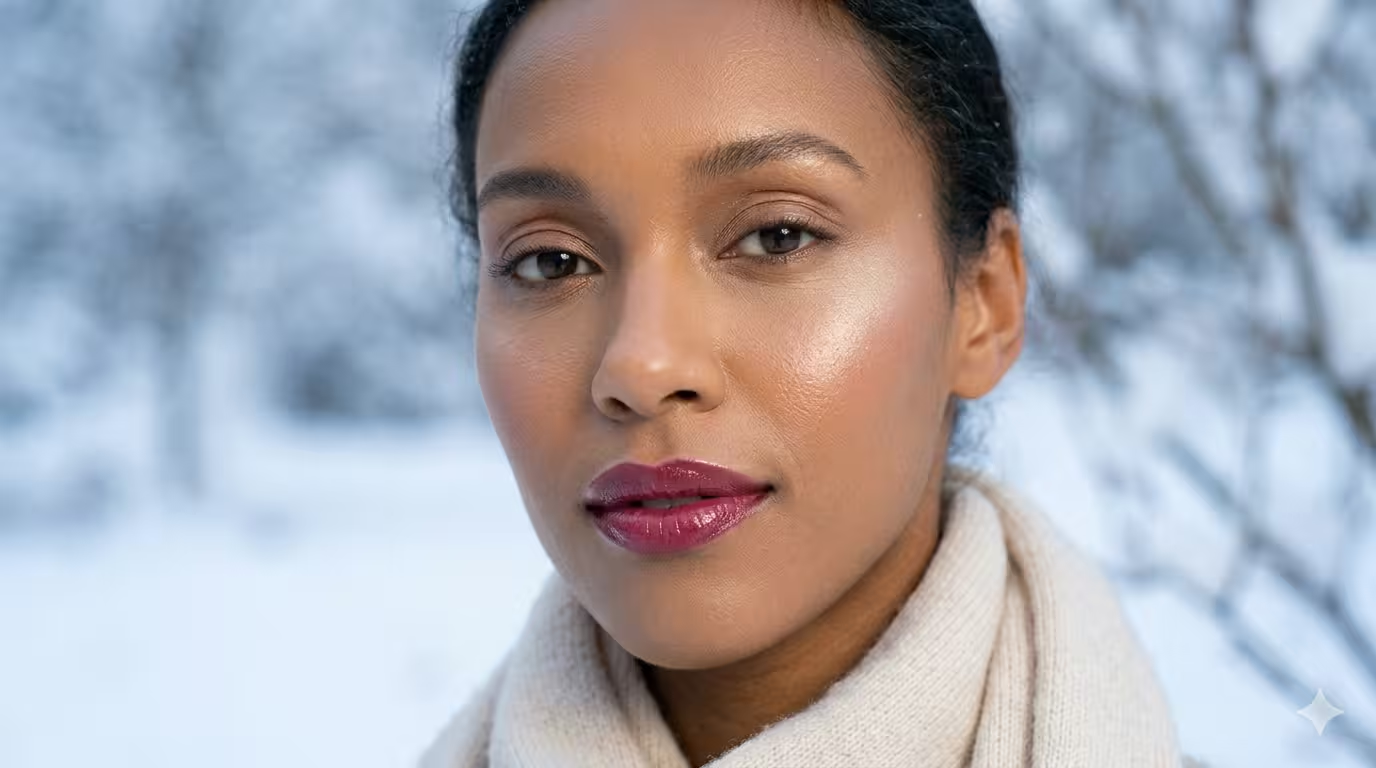
Tan skin is uniquely positioned for the fall season. Warm undertones in medium and tan complexions already echo autumn’s defining palette: burnt sienna, terracotta, caramel, and amber. The transition from summer to fall makeup is not an overhaul. It is a deepening, a color story shift and a formula adjustment that works with your natural warmth rather than against it.
This guide walks through exactly what changes in fall for tan skin and what stays the same, covering the base, color palette, specific look formulas, and the products worth buying versus the ones you can carry over from summer.
The core principle: tan skin transitions beautifully into fall because warm undertones naturally complement autumn’s palette of rust, bronze, and amber. The key shifts are a deeper lip color, richer shadow, and a move from lightweight summer formulas to slightly more buildable coverage.
Why Tan Skin Transitions Beautifully Into Fall
Most fall makeup guides are written with fair and light skin tones as the default, which means the advice often centers on using warmth and depth to create contrast. Tan skin already has that warmth built in. What this means for you is that the fall color palette is not something you are applying to create a look, it is something that harmonizes with what you naturally bring.
The gold and bronze of a summer glow integrates seamlessly into autumn’s burnt orange, cinnamon, and terracotta range. A summer tan does not fight the season. With a few deliberate shifts in shade depth and formula weight, your existing features carry the look without needing the same amount of product layering that lighter skin tones require to achieve a similar result.
Skincare Adjustments That Affect Makeup in Fall
Fall changes the environment your skin operates in. Less outdoor humidity, cooler air, and the start of indoor heating create conditions where skin behaves differently than it did in summer. These changes affect how your makeup applies and how long it lasts.
The most relevant shift is dryness. Summer kept the air humid and your skin relatively balanced. Fall strips that ambient moisture, and indoor heating accelerates the process. If you continue using the same lightweight gel moisturizer through October, foundation will begin to cling to dry texture and look uneven by midday.
Switch from a gel or water-gel moisturizer to a richer cream with ceramides or squalane. This is the single most important skincare change for fall makeup. A well-hydrated skin surface is the difference between foundation that sits smoothly and foundation that emphasizes texture.
Keep exfoliating post-summer. Summer sun can cause uneven texture, minor hyperpigmentation, and the lingering remnants of a tan fading unevenly. A gentle AHA exfoliant two to three times a week smooths the surface and ensures your foundation in fall applies evenly rather than catching on patches.
Do not drop SPF in fall. UV index remains relevant through October and into November, especially on bright days. A moisturizing SPF formula, rather than a matte summer sunscreen, suits the fall season better and provides a more comfortable base under a richer foundation.
Fall Base Makeup for Tan Skin
Foundation shade management is one of the more practical challenges of fall for tan skin. If you spent time outdoors in summer, your shade may be a half to a full shade deeper than your usual match. As autumn progresses and the tan fades, you may need to adjust back.
Rather than buying a new foundation immediately, blend your current summer shade with a shade lighter during the transition month of October. This is more cost-effective and more precise than trying to find a single bottle that matches an in-between tone. Many brands sell foundation in small sizes specifically for this purpose.
Formula-wise, fall is the season to move toward medium-to-full buildable coverage. The skin is no longer at its summer best, and a slightly more substantial base gives the skin a polished finish without requiring the weight of a heavy formula. Avoid full matte foundations if your skin is beginning to show dry patches; opt for a natural or satin finish that does not emphasize texture.
For foundation undertone, tan skin benefits from warm golden or neutral beige foundations in fall. The caramel, warm brown, and yellow-based foundations that may have looked too warm in summer are often perfect matches as the ambient light changes and the skin’s undertones become more prominent against the cooler color palette of autumn.
The Fall Color Palette That Works on Tan Skin
This is where fall gets genuinely exciting for tan skin. The season’s palette was practically designed for warm undertones.
Eyes: Burnt sienna, terracotta, copper, deep taupe, rust brown, chocolate plum, and warm olive green. These shades create richness and depth on tan skin without looking muddy, which is a common problem with the same shades on fairer skin where there is less natural warmth to anchor them. Matte terracotta and shimmer copper make a particularly versatile pair for both day and evening looks.
Cheeks: Replace your summer golden shimmer bronzer with a warmer, more matte cinnamon or amber bronzer. The goal shifts from a sun-kissed glow to a sculpted warmth. For blush, move toward warm brick, dusty rose with a warm undertone, or spiced peach. These read naturally on tan skin where cool-toned mauves and pinks would look ashy.
Lips: This is where fall makes the most visible statement. The shift from summer’s coral, peach, and nude takes you into warm berry, cinnamon brown, fig, deep terracotta, burnt rose, and plum. On tan skin, these deeper shades are not overwhelming because the skin’s natural depth creates balance. A cinnamon brown or deep terracotta lip with minimal eye makeup is one of the most flattering fall looks for tan undertones.
Highlight: Move from summer’s champagne or gold highlight to rose gold or bronze-toned highlighter. These warmer, more complex metallics complement the season’s palette and look more natural on tan skin as the light shifts from bright summer sun to the softer, golden-hour quality of autumn afternoons.
Three Fall Look Formulas for Tan Skin
The Everyday Warm-Tone Transition Look
This is the simplest starting point for moving into fall without anything feeling overdone. It keeps the ease of a summer routine while introducing autumn depth.
Apply a medium coverage satin foundation or tinted moisturizer with a warm undertone. Dust a matte terracotta eyeshadow across the lid and blend it into the crease with a clean brush. Apply a brick or warm peach cream blush. Finish with a nude-brown lip liner and a cinnamon or warm nude lipstick. The look takes fifteen minutes, works for any setting, and reads as both polished and seasonal.
The Bold Autumn Evening Look
This is for the moments when you want to use fall’s depth fully. The palette is rich, the contrast is intentional, and it works because tan skin provides the warmth to carry it without looking heavy.
Build a smoky eye with chocolate brown and deep copper eyeshadow. Define the outer corner with a matte dark brown and blend upward. Line the waterline with a warm bronze pencil for depth without harshness. Apply a flushed, bronzed cheek with very little blush so the cheekbones look sculpted. Choose a deep matte lip in wine, plum, or dark fig. This look lands best when the skin is well-prepped and the base is polished, because the contrast between a glowing base and a dramatic eye and lip is what makes it work on tan skin.
The Editorial Fall Glow Look
No full-coverage foundation. This look treats the skin as the hero and uses products that enhance rather than cover.
Apply a skin tint or SPF with a bronze glow formula, applying it only where you want evenness and leaving the rest bare. Use a bronze and terracotta eyeshadow, applied heavily on the lid and blended into a hazy wash of color. Apply a bronzer stick to the temples, cheeks, and jaw. Finish with a glossy terracotta or warm amber lip. This look requires confident, even skin tone, so the skincare prep step matters more here than in any other formula.
What to Keep From Summer and What to Replace
Keep from summer: Your bronzer (switch from a shimmer to a matte finish version if they are different products), mascara, eyeliner, and eyeshadow neutrals like warm brown and taupe that cross seasons.
Update for fall: Your eyeshadow palette if it is primarily shimmer or pastel-focused; add one with rust, burnt orange, and chocolate tones. Your lip shades: invest in one or two darker options in the terracotta-to-plum range. Your foundation shade and formula if your summer version is too light or too matte for fall conditions.
New additions worth buying: A slightly deeper cream blush in brick or warm rose. A richer daily moisturizer to replace the summer gel formula. A rose gold or bronze highlighter if your current option is champagne or gold-only.
Colors to Avoid for Tan Skin in Fall
Ashy grays and cool-toned mauves are the most common fall makeup mistakes on tan skin. These shades are designed for cooler undertones and pull the warmth out of tan complexions rather than complementing it. Gunmetal eye looks and dusty mauve lips that trend each fall look beautiful on fair and pink-undertoned skin and look flat or unflattering on warmer undertones.
Frosty or icy highlighters have the same issue. A pale silver or white-based highlight looks natural on very fair skin in fall and winter. On tan skin it creates a cool, stark contrast that works against the season’s warm palette rather than with it.
Yellow-toned gold highlighters that worked well in summer can also look muddy in fall. The shift toward rose gold, bronze, or copper-toned highlight creates more dimension against tan skin when the summer sun is no longer providing the ambient warmth that made the original formula look luminous.
The Transition Month Strategy
September and October are transition months where neither full summer nor full fall makeup looks quite right. A practical approach is to treat them as layering months: keep the summer-light base and the minimal eye, but introduce one autumn element at a time. Start with the lip, since a deeper lip color with minimal everything else is the easiest entry into fall. Then deepen the eye. Then adjust the base formula as temperatures drop and the skin changes.
This gradual approach works better for building a fall routine that actually suits your life than buying an entirely new palette in September and forcing a look that does not yet match the weather, the light, or how your skin is actually behaving.
Your tan skin’s natural warmth does the heavy lifting in fall. Trust that, work with it, and the season’s palette will do the rest.