

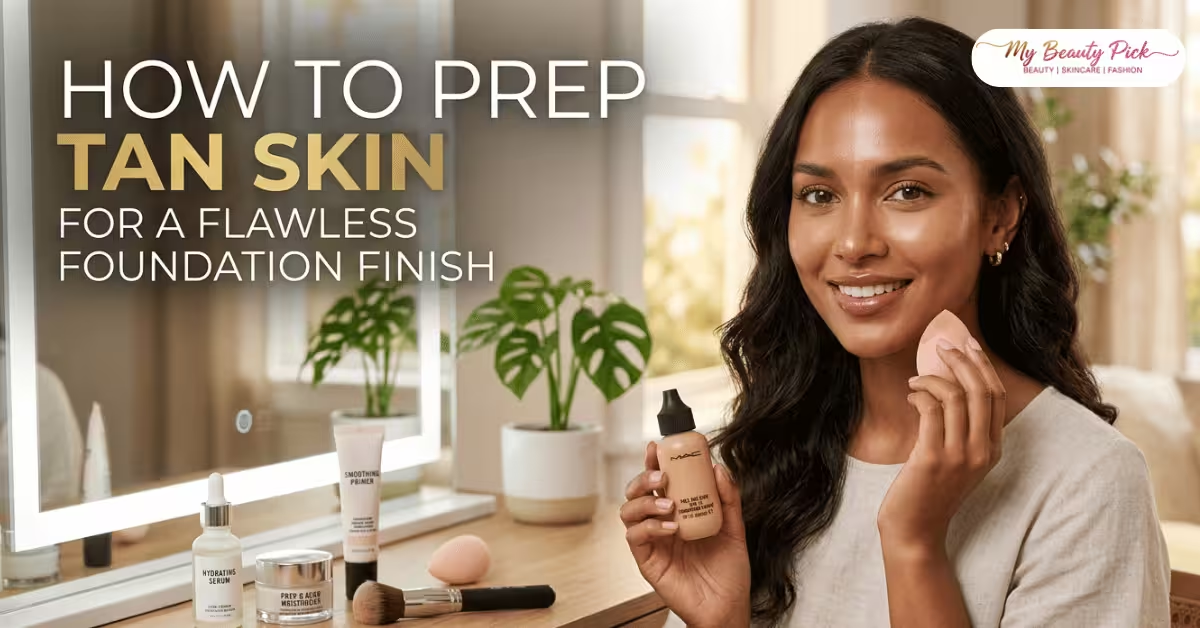
Good foundation doesn’t start with the brush. It starts with what’s under it.
If you’ve ever watched a carefully chosen foundation go patchy, pull grey, or oxidise into an unrecognisable shade by midday, the problem likely wasn’t the formula. It was the prep. Learning how to prep tan skin for a flawless foundation finish is one of the most practical makeup skills you can develop — and it pays off across every formula you own.
Tan skin sits within a range of medium to medium-deep tones that often carry warm, neutral, or olive undertones. It’s beautiful and versatile, but it does come with specific challenges: ashiness when foundation oxidises, uneven texture from sun exposure, patchiness from dehydration, and difficulty blending when the skin barrier is compromised. The right prep routine fixes all of these before the foundation even touches your face.
This guide walks you through every stage — from cleanser to primer — with skin-type-specific advice and real application insight built for tan skin tones.
How to Prep Tan Skin for a Flawless Foundation Finish (What Most People Get Wrong)
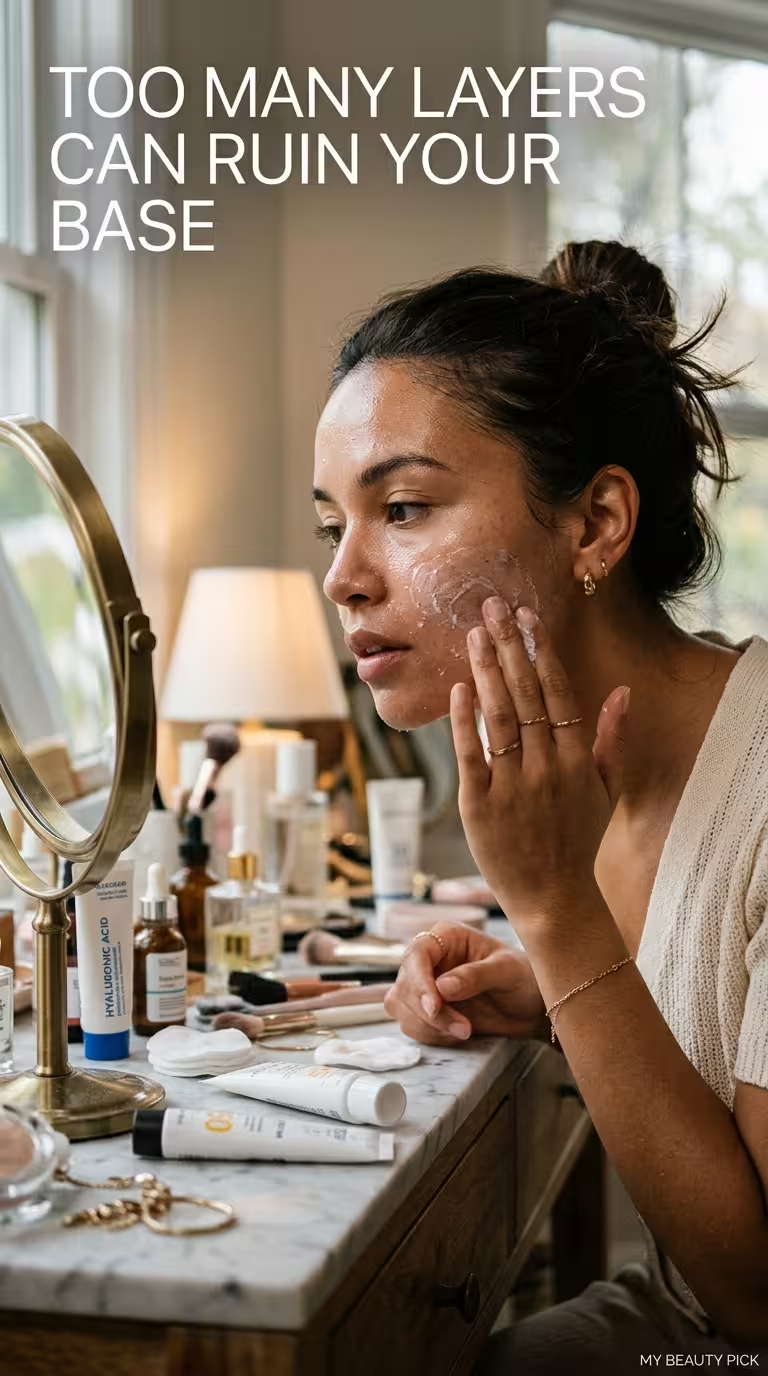
The most common mistake in any makeup base for tan skin isn’t skipping a step — it’s rushing. Layering products without giving each one time to absorb means they compete rather than cooperate, and foundation applied over unsettled skincare sits on top of the skin rather than melding with it.
The second major mistake is skipping moisturiser because your skin is oily. Oily skin still needs hydration. When the skin is dehydrated (even if it’s producing excess oil), it compensates by pushing more sebum to the surface. Foundation applied over dehydrated skin oxidises faster, clings to dry patches, and can develop that telltale grey or dull tone that affects many tan complexions.
Third — and this one is less talked about — is over-layering. A serum, essence, moisturiser, SPF, primer, and then foundation is a lot of product. Each layer adds slip and can prevent the next from adhering properly. More isn’t always better when it comes to skincare before foundation.
Watch Out
Applying foundation immediately after SPF is one of the most common causes of pilling and patchiness. Give your sunscreen at least 5–10 minutes to absorb before priming or applying foundation.
Understanding Your Skin Before Applying Makeup
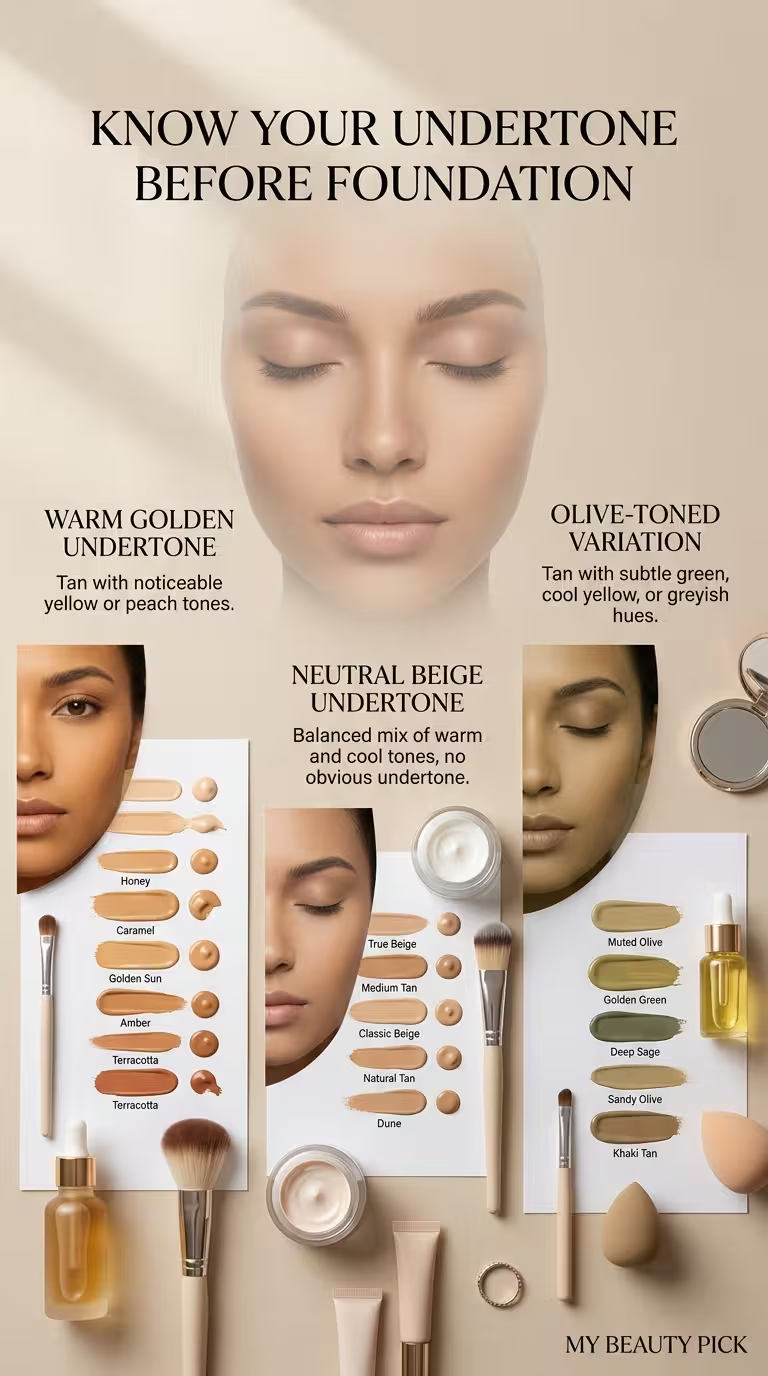
A flawless foundation routine isn’t one-size-fits-all — it’s built around your skin. Before selecting any products, it helps to identify two things: your skin type and your undertone.
Skin Type
- Oily skin: Produces excess sebum throughout the day. Benefits from water-based, oil-free moisturisers and mattifying or pore-minimising primers.
- Dry skin: Lacks natural moisture and can feel tight or flaky. Needs rich, barrier-supporting moisturisers and hydrating or illuminating primers.
- Combination skin: Oily through the T-zone, drier on the cheeks and temples. Benefits from zone-specific application — lighter products in oily areas, richer ones where skin is dry.
- Normal skin: Balanced and relatively low-maintenance. Most primer types work well. Focus on SPF and a lightweight moisturiser.
Undertone — Warm, Neutral, or Olive?
Tan skin spans a range of undertones, and mismatching your prep to your undertone is often why foundation ends up looking off. Warm undertones have golden or peachy tones in the skin; olive undertones carry a greenish or neutral warmth; neutral undertones sit between warm and cool.
Understanding undertones affects more than shade selection — it helps you choose the right colour corrector and ensures your foundation looks like skin rather than a mask.
Starting with a Clean, Balanced Base
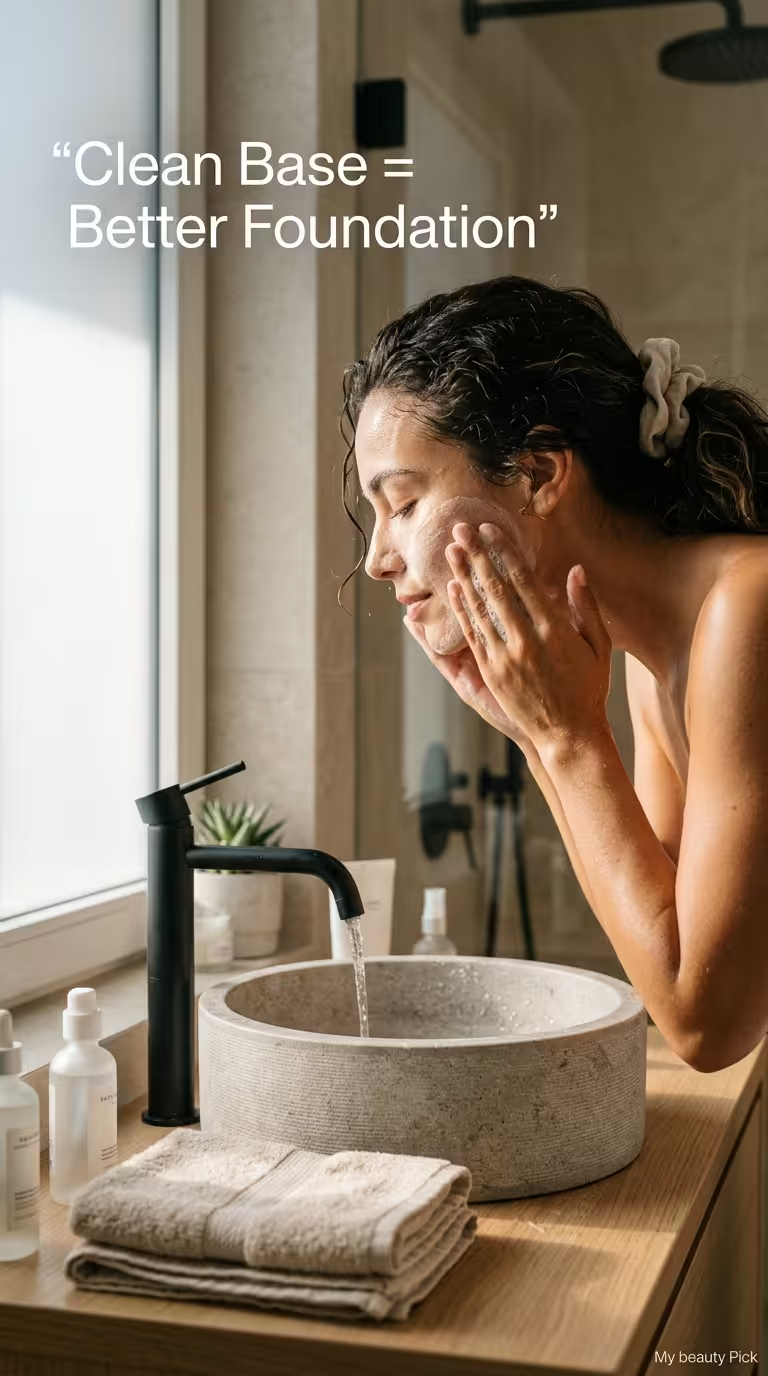
A clean face is the non-negotiable foundation of any good makeup application. Cleansing removes overnight sebum, sweat, and residual skincare — and doing it properly means your moisturiser and primer bond to skin rather than product buildup.
- Oily skin: A gentle foaming or gel cleanser works well. Look for niacinamide or salicylic acid to manage excess oil without stripping.
- Dry skin: Cream or milk cleansers are less disruptive to the moisture barrier. Avoid anything that leaves a squeaky-clean feeling — that’s barrier damage.
- Combination skin: A balanced gel cleanser or micellar water followed by a lightweight hydrating toner works well for most combination skin types.
Pro Tip
Over-cleansing is a real issue. Once in the morning (or a gentle rinse with water) and once at night is enough for most people. Excess cleansing strips the barrier and causes the skin to over-produce oil — making foundation harder to wear.
Smoothing Texture Without Damaging Your Glow
exfoliation-tan-skin-makeup-base.jpg
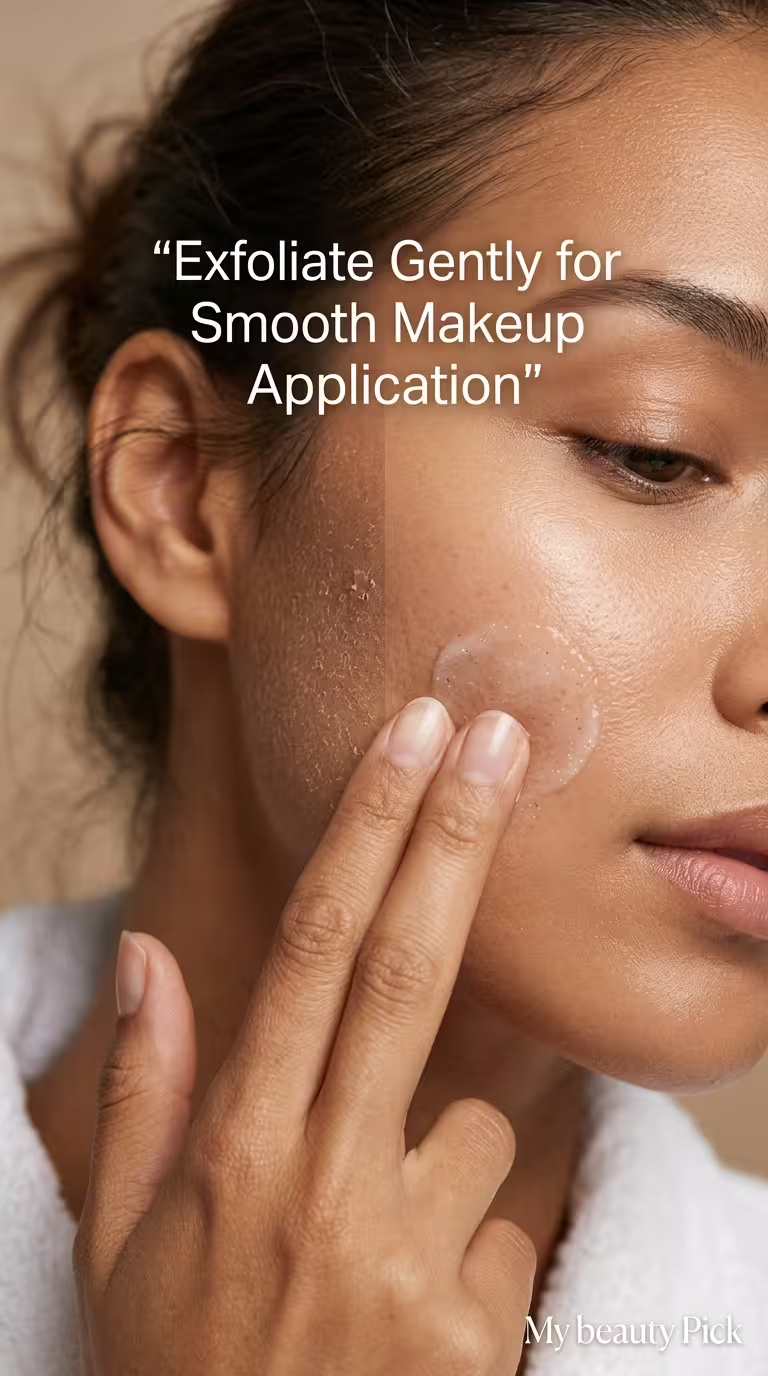
Texture is one of the main reasons foundation doesn’t sit smoothly. Dead skin cells build up on the surface and create an uneven canvas — foundation clings to these cells and emphasises them. Regular exfoliation prevents this, but frequency matters.
Exfoliation Options
- AHAs (glycolic, lactic acid): Work on the skin’s surface to loosen dead cells. Lactic acid is gentler and well-suited to sensitive or tan skin that may be prone to post-inflammatory hyperpigmentation.
- BHAs (salicylic acid): Oil-soluble and penetrate the pore. Excellent for oily or acne-prone tan skin where congestion affects texture.
- Mild physical scrubs: Fine-grained scrubs can work well, but coarse grains can cause micro-tears. If you use a physical scrub, be gentle and use circular motions.
As a general rule, exfoliating two to three times per week is sufficient for most people. Over-exfoliating damages the barrier, causes sensitivity, and paradoxically makes foundation harder to apply and longer-lasting.
Important
Never exfoliate on the same day as heavy sun exposure or immediately before applying makeup with chemical SPF. Always follow exfoliation with a barrier-supportive moisturiser.
Hydration That Keeps Foundation Looking Fresh

Dehydration is behind most of the common foundation complaints on tan skin: patchiness, ashiness, uneven blending, and early oxidation. When the skin lacks water — not oil, but water — it absorbs moisture from products applied on top of it, including foundation, causing it to sit unevenly and break down faster.
Choosing the Right Moisturiser
- Lightweight gel or water-gel moisturisers: Ideal for oily and combination skin. Absorb quickly and create a smooth surface without adding slip that could cause pilling.
- Cream moisturisers: Better suited to dry and normal skin. Look for ceramides, hyaluronic acid, and peptides to support the barrier and draw in moisture.
- Hybrid formulas (gel-cream): Work well for combination to normal skin and balance hydration without heaviness.
Key ingredients that genuinely support smooth foundation application include hyaluronic acid (draws water into the skin), niacinamide (refines texture and minimises pore appearance), and ceramides (repair and maintain the barrier). Avoid heavy silicone-based moisturisers just before foundation — they can interfere with adhesion.
Sun Protection That Works Under Makeup
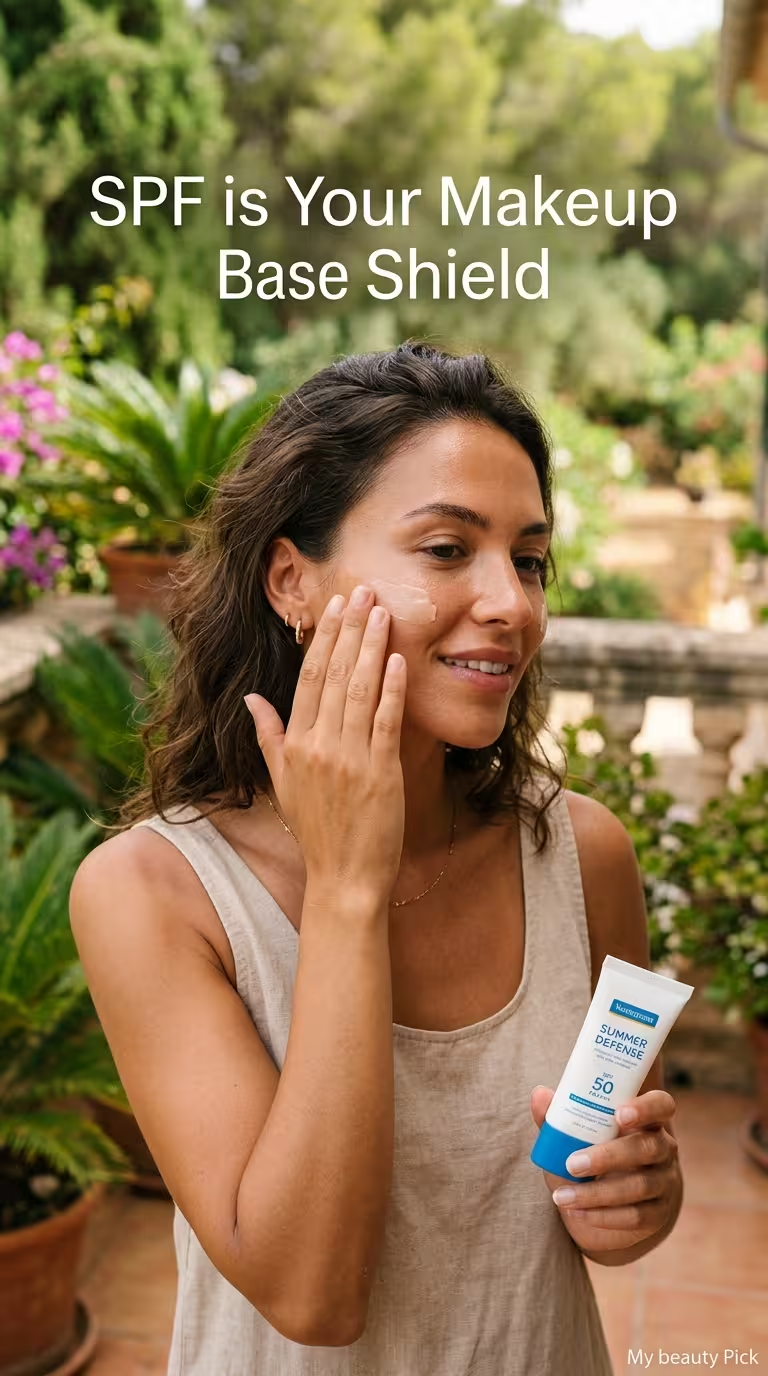
SPF is not optional in a tan skin makeup routine — particularly because tan skin is prone to hyperpigmentation and uneven tone, both of which are worsened by UV exposure. Daily SPF is the single most effective long-term step toward a more even, foundation-ready complexion.
Choosing a Sunscreen That Doesn’t Leave a White Cast
The white cast problem is real for tan skin. Many mineral sunscreens (zinc oxide, titanium dioxide) sit on the skin and can leave a greyish or chalky tone that affects the foundation finish above it. To avoid this:
- Chemical sunscreens: Absorb UV rather than reflecting it, and are typically invisible on tan skin. Good choices include avobenzone, octinoxate, or tinosorb-based formulas.
- Hybrid mineral-chemical formulas: Some newer formulations combine micronised mineral filters with tint or skin-tone-matching technology that eliminates cast.
- Tinted SPFs: Excellent for tan skin — they provide both protection and a light corrective tone while sitting smoothly under foundation.
Apply SPF as the final skincare step, after moisturiser. Wait at least five minutes before applying primer or foundation — SPF needs time to absorb to both protect properly and prevent pilling.
Primer Choices That Improve Your Base
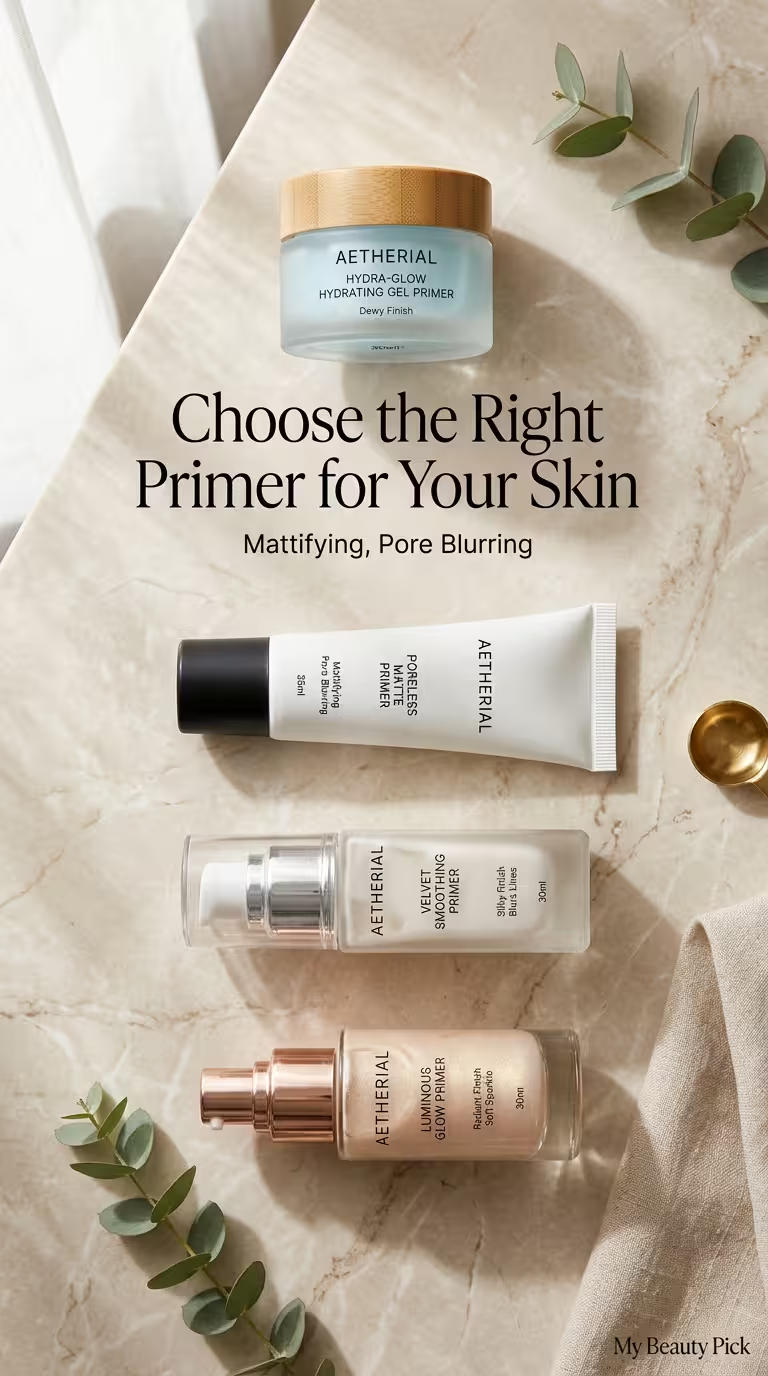
Primer is a sometimes-skipped step that can genuinely transform how foundation wears — but only when matched correctly to your skin type and desired finish. A mismatched primer creates more problems than it solves.
Matching Primer to Skin Type
- Mattifying primers: Contain silica or kaolin to absorb oil and control shine. Ideal for oily skin or anyone who wants a satin-to-matte finish. Apply to the T-zone if combination.
- Hydrating primers: Often contain glycerin or hyaluronic acid. Ideal for dry or dehydrated skin. Adds a plump, smooth surface that helps foundation blend seamlessly.
- Smoothing/pore-minimising primers: Typically silicone-based (dimethicone). Fill in texture, fine lines, and pores. Works across skin types but can ball up if layered over too many products.
- Illuminating primers: Add a subtle glow under foundation. Work beautifully on tan skin to counteract any dullness or ashiness in the base.
When You Can Skip Primer
If your skin is well-hydrated, your SPF has absorbed, and you’re using a long-wear foundation with built-in grip, primer is optional. Keep your routine minimal when possible — fewer layers mean less risk of pilling or breakdown.
A Simple Step-by-Step Routine for a Flawless Foundation Finish on Tan Skin
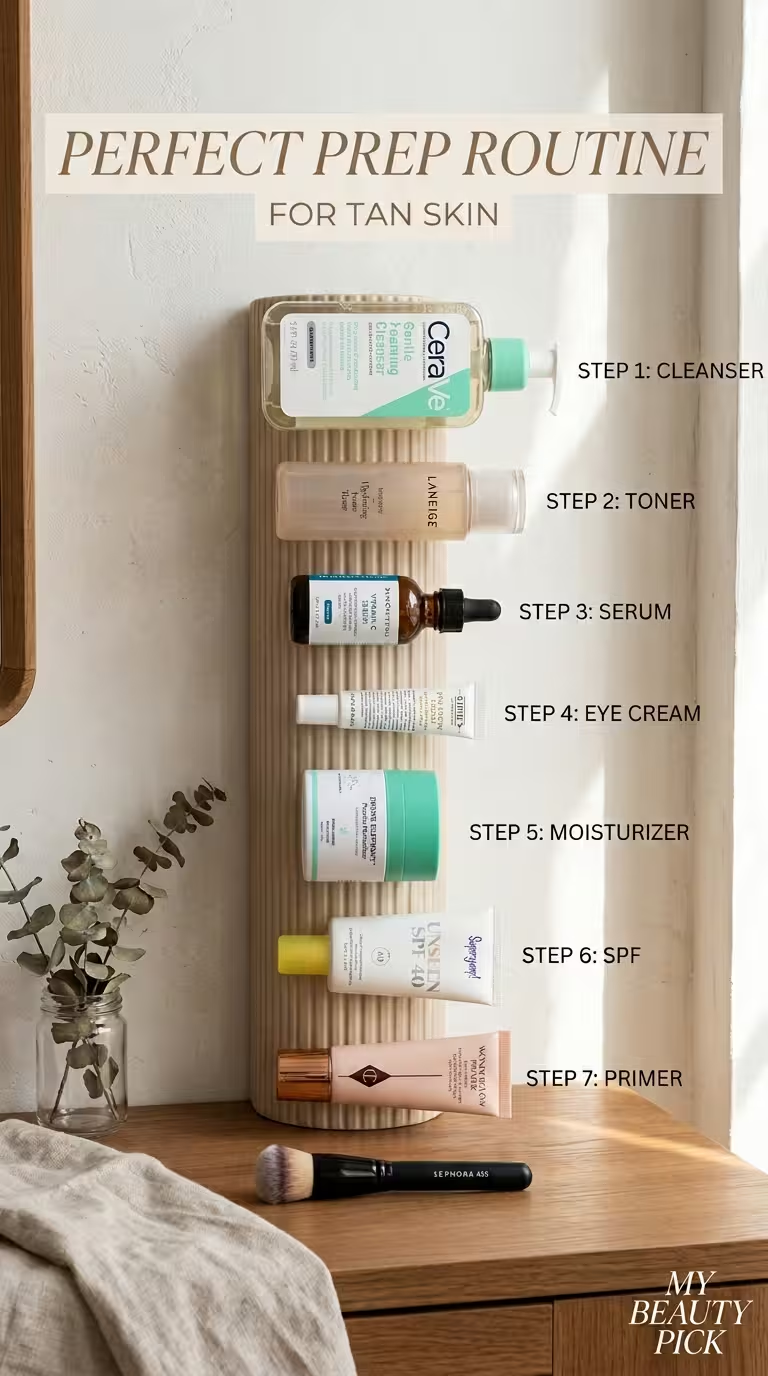
Your Complete Foundation Prep Routine
01
Cleanse
Wait 1–2 min
02
Exfoliate
As needed · 2–3×/wk
03
Hydrate
Wait 2–3 min
04
SPF
Wait 5–10 min
05
Prime
Wait 1–2 min
06
Foundation
Apply & blend
Timing between steps is more important than most people realise. Rushing through the routine — applying foundation before SPF has settled — is a leading cause of pilling and the greasy, patchy finish that’s often blamed on the foundation itself.
Correcting Uneven Tone Before Foundation
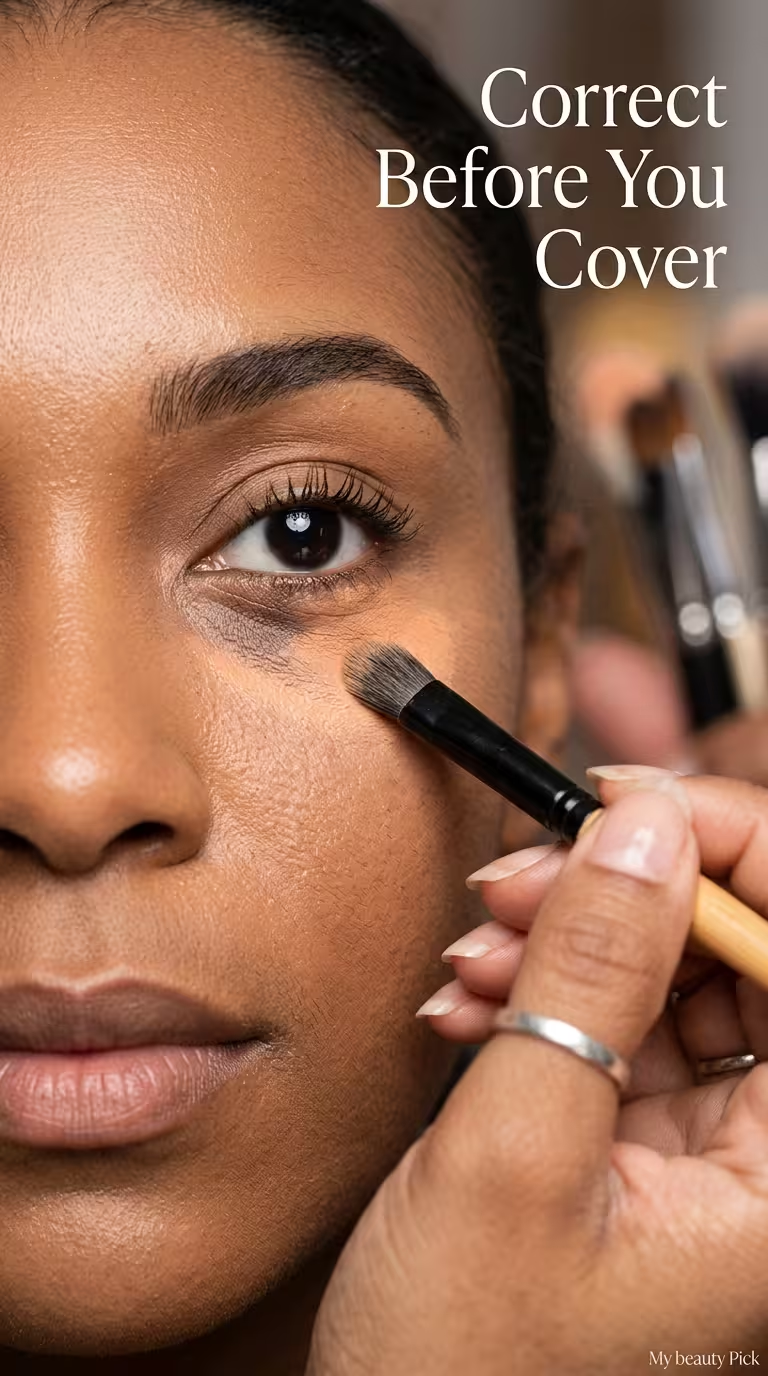
Colour correction is a step many people skip or misuse. For tan skin, it’s most useful for persistent discolouration that foundation alone doesn’t fully cover — dark spots, hyperpigmentation, or redness around the nose and cheeks.
PeachFor dark under-eye circles and mild hyperpigmentation on light to medium-tan skin
Orange/WarmBest for deep dark circles and strong hyperpigmentation on medium-deep tan skin
Yellow/IvoryNeutralises mild redness, uneven tone, and brings warmth back to a dull complexion
Apply colour corrector after primer in thin, targeted layers. Build slowly — a little product covers a lot of ground. Over-applying colour corrector creates additional texture that foundation has to sit on top of, defeating the purpose.
Common Mistakes That Affect Foundation on Tan Skin
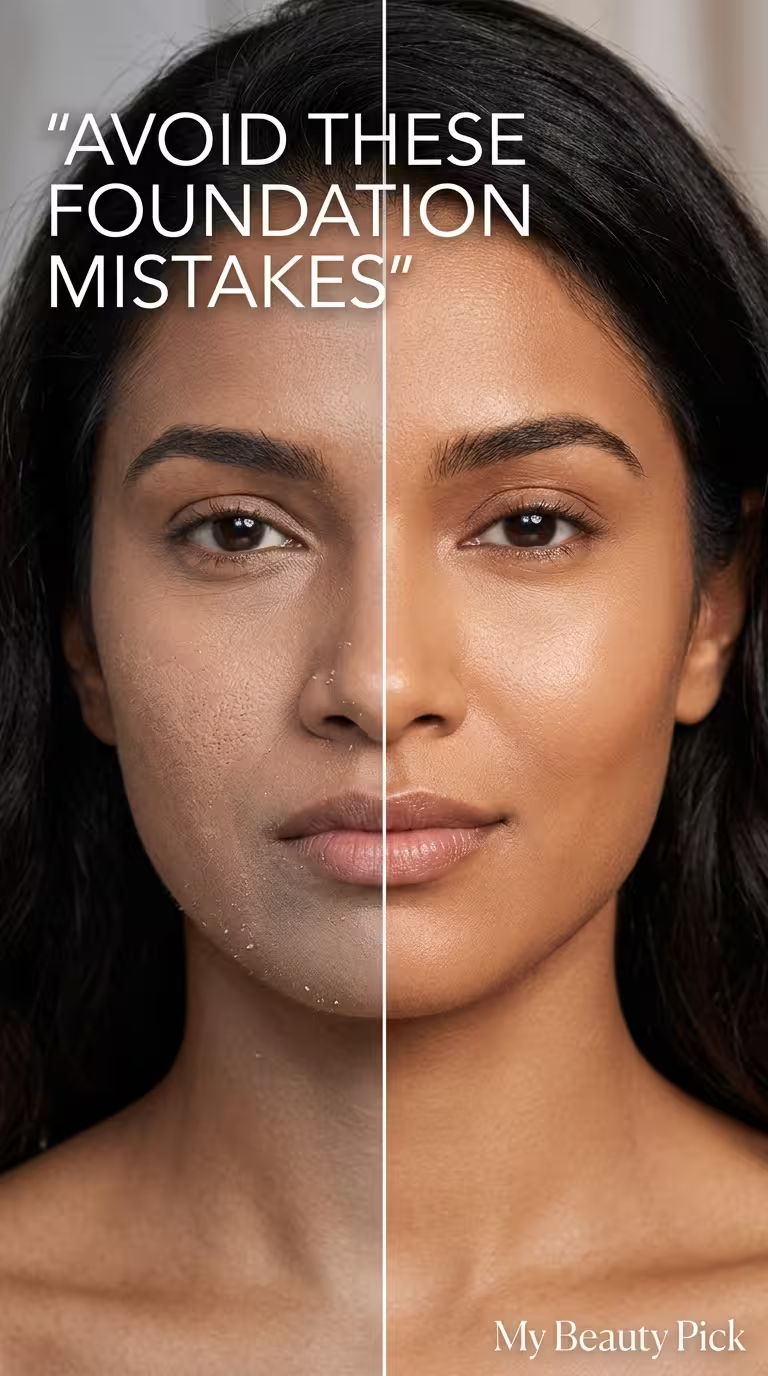
- ✗Skipping moisturiser because skin is oilyOily skin still needs hydration. Skipping it causes dehydration, which worsens oil production and makes foundation oxidise faster and look ashy.
- ✗Applying foundation immediately after SPFSPF needs time to absorb. Applying foundation too soon causes pilling, patchy texture, and reduced protection. Wait at least 5–10 minutes.
- ✗Over-layering skincare before makeupToo many products create a slippery, unstable base. Foundation won’t adhere properly and is more likely to slide, crease, or break down throughout the day.
- ✗Using the wrong SPF for tan skinMineral-only SPFs with high concentrations of zinc oxide often leave a grey or chalky cast on tan skin, affecting how foundation looks even after blending.
- ✗Skipping exfoliation altogetherWithout regular exfoliation, dead cell buildup creates an uneven texture that foundation clings to and emphasises rather than smoothing over.
- ✗Mismatching primer to foundation formulaWater-based and silicone-based products don’t always layer well together. A silicone primer under a water-based foundation can cause separation and uneven coverage.
Quick Checklist — Is Your Skin Ready for Foundation?
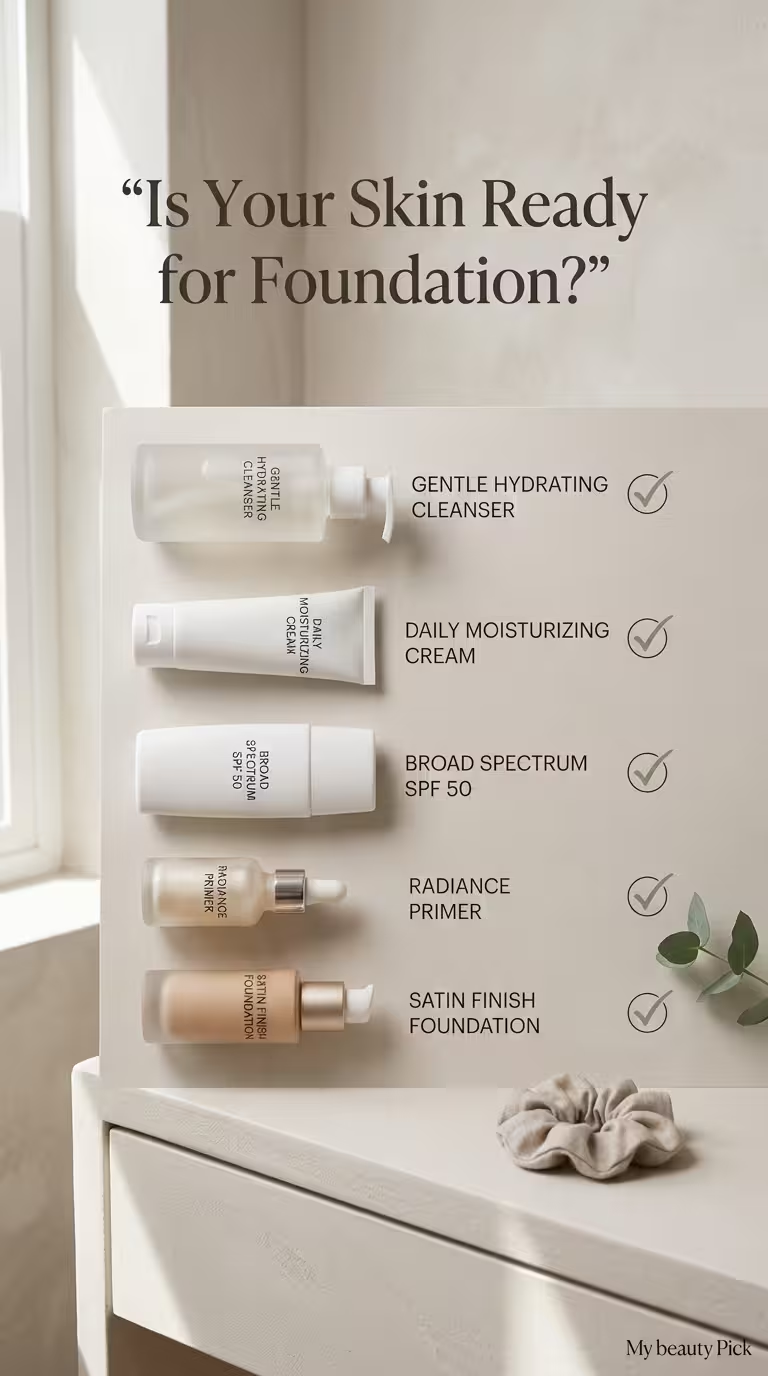
- Face is clean and product-free
- Moisturiser is fully absorbed
- SPF applied and settled (5–10 min)
- No tackiness or slipperiness on skin
- Primer chosen to match skin type
- Colour corrector applied (if needed)
- Foundation shade matches undertone
- Tools clean and ready
Final Thoughts
A flawless foundation finish on tan skin isn’t about owning the most expensive products — it’s about consistency in your prep. A clean, hydrated, SPF-protected base with the right primer is all the canvas your foundation needs. Get those fundamentals right, and every formula you use will perform better.
The routines that work long-term are minimal, intentional, and matched to how your skin actually behaves — not to what works for every skin type. Take the time to understand your skin type and undertone, keep the product layers to what’s genuinely necessary, and you’ll find that foundation prep for tan skin becomes second nature.

Start simple. Build only what your skin needs. And give each product the time it needs to work before moving to the next step. That’s the real secret to a flawless foundation routine — not a longer shelf, but a smarter one.
Frequently Asked Questions
Why does foundation look ashy on tan skin?
Foundation looks ashy on tan skin mainly due to dehydration and improper primer pairing. When skin lacks moisture, the formula oxidises faster and pulls grey or flat. A hydrating base and a foundation matched to your warm or olive undertone prevents this. Mineral SPFs with heavy zinc oxide can also cause a cast that reads as greyness under foundation.
What should I apply before foundation for a smooth finish?
For a smooth finish on tan skin, apply cleanser, a lightweight moisturiser suited to your skin type, SPF, and then a primer matched to your desired finish. Each layer should be given time to absorb before the next is applied. The full sequence — cleanser, moisturiser, SPF (5–10 min wait), then primer — gives the most stable, smooth base.
How do I make foundation last longer on tan skin?
Start with a clean, well-hydrated base, use a primer suited to your skin type, apply foundation in thin buildable layers rather than one heavy coat, and set with a light translucent powder or setting spray. Avoiding heavy moisturisers and silicone-heavy serums directly before makeup also helps foundation adhere and last through the day.
How often should I exfoliate before applying makeup?
Two to three times per week is appropriate for most skin types. Over-exfoliating damages the skin barrier and causes sensitivity, redness, and paradoxically makes foundation harder to apply. Never exfoliate on the same day as heavy sun exposure, and always follow with a barrier-repairing moisturiser.