

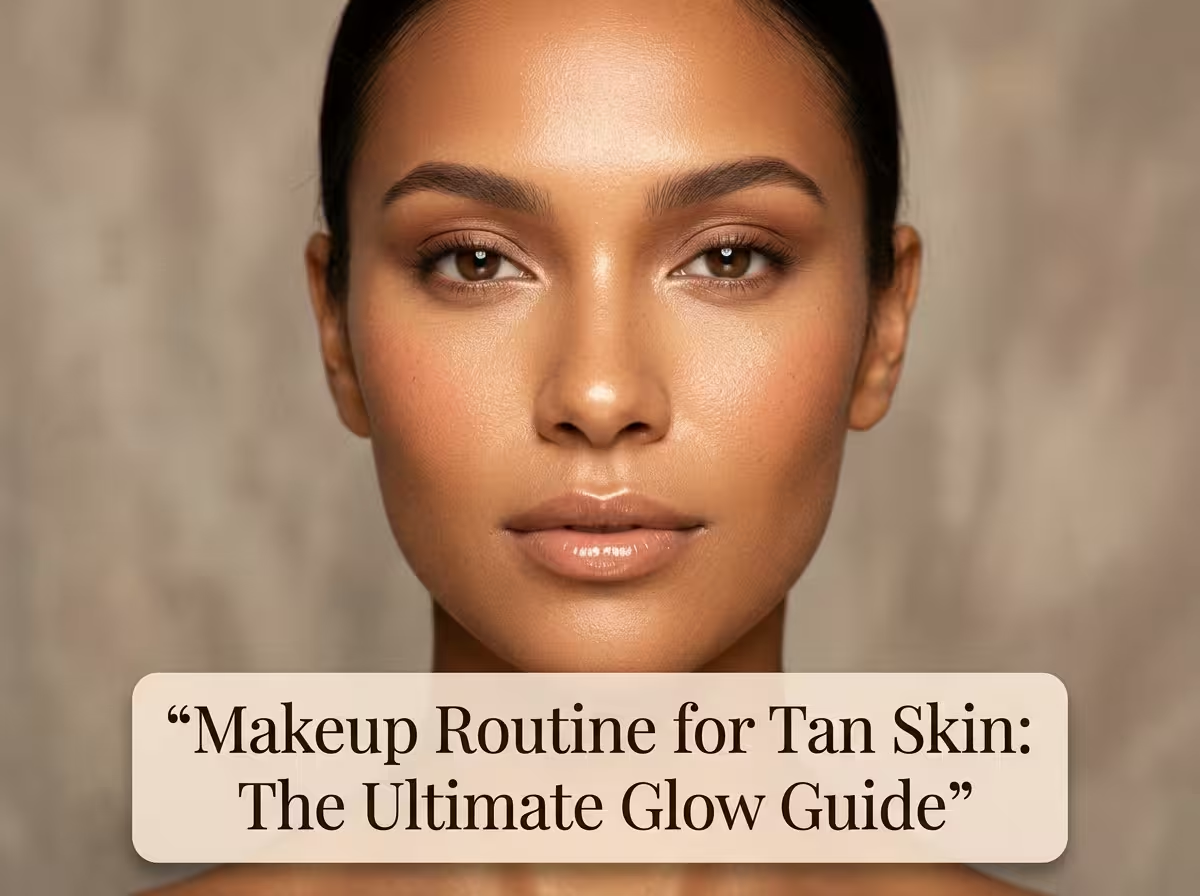
If you have tan skin and have ever stared into the mirror wondering why your makeup looks ashy, flat, or just slightly off, you are not alone. The makeup routine for tan skin is one of the most misunderstood topics in beauty, and much of the problem comes down to a single root cause: ignoring undertones.
Tan skin is stunning. It carries warmth, depth, and natural radiance that, when paired with the right products, can produce a glowing finish that lighter or deeper complexions often envy. But when the wrong foundation shade, the wrong blush tone, or an overly matte setting powder enters the picture, that natural warmth disappears — leaving a look that feels lifeless rather than luminous.
This guide is built for you. Whether your tan skin leans warm and golden, runs a balanced neutral, or carries a subtle cool flush underneath, the following makeup routine for tan skin will help you understand your complexion, choose the right products, and apply them in a way that enhances — not erases — your natural glow.
Makeup Routine for Tan Skin: Understanding Tan Skin Tones and Undertones

Before you open a single product, you need to understand what tan skin actually is — and more importantly, what is happening beneath the surface of your complexion.
Defining Tan Skin Within the Complexion Spectrum
Tan skin sits in the medium to deep-medium range of the complexion spectrum, encompassing light-medium olive tones, sun-kissed Mediterranean shades, rich caramel, and warm brown complexions. What unites all tan skin tones is a melanin depth that is deeper than fair skin but lighter than deep or rich complexions — placing it in a tricky middle zone where makeup matching is most frequently mishandled.
Understanding Undertones in Tan Skin
Undertones are the subtle hues beneath the surface of your skin. Unlike your surface tone, they do not change with sun exposure. There are three primary categories:
Warm
Golden, yellow, or olive. Most common in tan skin. Veins appear greenish. Pair with bronze and earthy products.
Neutral
Balanced warm/cool mix. Veins appear blue-green. Highest flexibility — can wear both warm and cool tones.
Cool
Subtle pink or reddish flush. Less common in tan skin. Veins appear blue/purple. Favors rose and berry tones.
The Vein Test
Look at the inside of your wrist in natural daylight. Green veins = warm. Blue/purple veins = cool. Both = neutral. This single test transforms how you shop for foundation.
Common Mistakes Caused by Ignoring Undertones
- Foundation too light — creates an ashy, washed-out mask effect on tan skin
- Pink-toned blush on warm tan skin — reads muddy or visually disconnected from the rest of the look
- Icy silver highlighter — creates a grey, chalky cast instead of radiance
- Cool-toned setting powder — flattes the natural golden warmth of tan complexions
Makeup Routine for Tan Skin: Skin Preparation for a Radiant Base

No makeup routine for tan skin delivers a glow without the right skin preparation. Makeup sits on top of the skin so the condition of your skin directly determines the quality of your finish. Skipping prep is the single biggest reason a routine looks dull or patchy.
Step 1: Cleansing Without Stripping
Begin with a gentle, hydrating cleanser that removes overnight residue without stripping the skin’s natural moisture barrier. For tan skin that leans dry or combination, a cream or gel-based cleanser works best. Avoid overly foaming or alcohol-heavy formulas, which leave skin tight and dull the exact opposite of what you want before applying a glowing base.
Step 2: Hydration Strategies for Tan Skin
Hydrated skin reflects light. Dehydrated skin absorbs product and looks flat. Your moisturizer choice should be guided by your skin type:
- Dry tan skin: rich cream moisturizer with hyaluronic acid and ceramides
- Oily tan skin: lightweight oil-free gel moisturizer that hydrates without adding shine
- Combination tan skin: lighter gel on the T-zone, richer moisturizer on dry patches
Step 3: SPF as a Non-Negotiable Glow Step
SPF does more than protect from UV damage. Consistent daily use helps maintain an even, unspotted skin tone which directly contributes to the appearance of a natural glow. Choose a mineral or chemical SPF 30–50 that leaves no white cast on tan skin. Many modern formulas are beautifully sheer on medium-to-tan complexions.
Step 4: Glow-Enhancing Primers
- Illuminating primers with subtle golden or champagne shimmer ideal for warm-undertone tan skin
- Skin-tint primers that add a wash of glow while blurring pores
- Silicone-based pore-blurring primers for smoother texture without a matte effect
Cleanse → Moisturize → SPF → Primer. These four steps take under ten minutes and multiply the glow of every product that follows.
Skin Prep Summary
Cleanse → Moisturize → SPF → Primer. These four steps take under ten minutes and multiply the glow of every product that follows.
Makeup Routine for Tan Skin: Choosing the Right Foundation and Base Products
Foundation is the most critical product in a makeup routine for tan skin and the most commonly mismatched. Getting this right transforms your entire look.
How to Find Your Perfect Foundation Shade
The jawline test is the gold standard for shade matching. Apply two to three swatches along your jawline in natural daylight. The correct shade disappears into the skin with no visible line between face and neck. Always test in natural outdoor light store fluorescent lighting is notorious for distorting shade appearance.
Matching Foundation Undertones for Tan Skin
- Warm tan skin: look for foundations labeled warm, golden, bronze, or olive you want golden-warm, not orange-warm
- Neutral tan skin: shades labeled “N” or neutral work beautifully; you can also blend warm and neutral for a custom match
- Cool tan skin: look for foundations with subtle pink or beige undertone; avoid overtly yellow or orange bases
Best Foundation Finishes for a Glowing Makeup Routine for Tan Skin
Natural Finish: Mimics the look of real skin. Ideal for daytime and no-makeup makeup looks. Allows skin texture to show slightly, which reads as authentic radiance.
Satin Finish: The most universally flattering finish for tan skin. Sits between matte and dewy, giving a polished, luminous result that photographs beautifully and lasts well throughout the day.
Light Dewy Finish: Perfect for dry or normal-to-dry tan skin. Delivers maximum glow but requires setting powder on the T-zone to prevent excess shine. Avoid a full dewy finish if your skin is oily.
Common Foundation Mistakes for Tan Skin
- Going too light: even half a shade lighter creates a mask-like, ashy effect under daylight
- Going too matte: heavy matte formulas absorb all light, eliminating the glow effect entirely
- Wrong undertone: more damaging to your look than a slightly off shade
- Oxidation: some foundations go orange on tan skin after two hours — always wear-test before committing.
Makeup Routine for Tan Skin: Concealer and Brightening Techniques
Concealer for tan skin is not about going lighter to “brighten” — it is about strategic correction and seamless blending. Used correctly, concealer can lift your entire face without looking heavy or cakey.
Choosing Concealer Shades for Tan Skin
Your concealer should be no more than one to two shades lighter than your foundation. Going significantly lighter is the most common concealer mistake on tan skin — it creates a pale triangular mask under the eyes rather than a brightening effect.
For most tan skin tones, a warm nude or peach-beige concealer works best under the eyes, counteracting bluish or purplish shadow without creating stark contrast.
Under-Eye Correction for Tan Skin
For visible dark circles with a purple or blue cast, apply a small amount of a peach or warm orange color corrector before your concealer. Blend until sheer, then layer concealer on top. This two-step approach neutralizes discoloration at the base, so your concealer needs less product and covers more effectively.
Avoiding Ashy Under-Eyes
Never use a concealer with a pink or lavender tone on tan skin under the eyes. These shades create a grey, ashy effect that emphasizes rather than hides dark circles.
Proper Blending Techniques
Apply concealer with a small damp beauty sponge or a flat concealer brush, then pat — do not drag — to blend. Patting preserves coverage while creating a seamless edge. Always blend into the surrounding foundation, not away from it.
Makeup Routine for Tan Skin: Setting Powder Without Losing Glow
Setting powder is where many glowing makeup routines fall apart. Applied too heavily or in the wrong areas, it smothers the radiance you worked to create. The key principle: powder strategically, not everywhere.
Strategic Powder Placement
For a makeup routine for tan skin focused on glow, apply setting powder only where you genuinely need oil control: the T-zone (forehead, nose, and chin). Leave the cheekbones, temples, and outer face entirely powder-free to preserve luminosity.
Best Powder Types for Tan Skin
- Translucent powders: sets makeup without adding color — choose a version that is sheer or lightly tinted, never bright white, which leaves a pale cast on tan skin in flash photography
- Banana powders: warm, yellow-toned base specifically flattering on medium-to-tan skin. Corrects minor under-eye darkness and warms the complexion without ashiness — one of the best setting powder options for warm-undertone tan skin
- Light tinted powders: provides gentle coverage while setting makeup — ideal for minimal coverage over a bare base.
Makeup Routine for Tan Skin: Bronzer for Warmth and Dimension
Bronzer is arguably the most transformative product in a glowing makeup routine for tan skin. It adds warmth, creates the illusion of sun-kissed dimension, and enhances the natural golden tones that make tan skin so beautiful.
Choosing Bronzer Shades Based on Undertone
- Warm golden tan skin: rich golden-brown bronzer with warm bronze shimmer — avoid anything with red or orange as the dominant tone
- Neutral tan skin: medium warm-brown matte or subtle satin bronzer for a natural, sun-kissed look
- Deep tan skin: deep, rich chocolate-brown bronzer that provides genuine warmth without going muddy
Golden Bronze
Warm Brown
Deep Chocolate
Caramel Bronze
Bronzer Application Areas
- Cheekbones: sweep just below the cheekbone hollow for sculpting warmth
- Forehead perimeter: dust lightly along the hairline and temples to warm the face frame
- Jawline: a light sweep along the jaw creates cohesion between face and neck
- Nose definition: a subtle strip down the sides of the nose bridge adds dimension (use sparingly)
Blending Technique
Use a large fluffy dome brush in windshield-wiper motions across the cheekbone. Blend upward toward the temple to lift the face. Never apply bronzer in a muddy ring around the entire face — keep it to the areas where the sun would naturally hit.
Makeup Routine for Tan Skin: Blush Shades and Placement for a Natural Glow
Blush is the heartbeat of a glowing makeup routine for tan skin. The right blush shade instantly makes the complexion look healthier, more alive, and naturally flushed with radiance.
Best Blush Shades for Tan Skin
Peach
Coral
Terracotta
Warm Rose
Berry
- Peach: universally flattering on warm-to-neutral tan skin — reads youthful and sun-warmed
- Coral: slightly more vibrant than peach, coral adds energy without looking garish on tan skin
- Terracotta: an earthy, brick-toned blush that looks deeply natural on medium-to-tan complexions
- Warm rose: a dusty warm-toned rose that bridges peach and pink — ideal for neutral-to-cool tan skin
- Berry tones: for deep tan skin or bolder looks, a rich berry blush creates a striking, luxurious flush
Cream vs Powder Blush Comparison
Cream blush melts into the skin and creates a flush that looks like it is coming from within — ideal for dry to normal tan skin and a dewy, natural glow aesthetic. Apply with fingers or a damp sponge, tapping gently onto the cheek before blending upward.
Powder blush is more buildable and longer-lasting, better suited for oily skin or full-glam applications. Apply with a fluffy blush brush in sweeping motions over the cheekbone.
Placement Techniques for a Lifted Glow
Apply blush to the upper cheekbones and blend toward the temple — sometimes called draping. This creates a lifted, sculpted look that frames the eyes. Avoid round circles directly on the apple of the cheek, which can look dated and make the face appear rounder.
Makeup Routine for Tan Skin: Highlighter for a Radiant Glow
When applied correctly, highlighter is what transforms a good makeup routine for tan skin into a truly glowing one. When applied incorrectly, it can look chalky, emphasize texture, or clash with the natural warmth of tan skin.
Why Cool-Toned Highlighters Do Not Work on Tan Skin
Icy white, silver, or platinum highlighters are formulated with cool, blue-tinted pigments. On fair skin, these can look ethereal. On tan skin — which carries warm undertones — they create a grey or chalky effect that reads as discoloration rather than radiance.
Best Highlighter Shades for Tan Skin
Champagne Gold
Honey Gold
Bronze Gold
Rose Gold
- Champagne gold: most universally flattering for warm-to-neutral tan skin — mimics natural luminosity
- Honey gold: deeper and richer, honey gold reads intensely glowy on medium-to-deep tan skin
- Bronze gold: for a full-glam sun-goddess effect, creates a dramatic editorial glow on tan skin
- Soft rose gold: bridges warm and cool tones — versatile for neutral-to-cool tan skin
Application Points for Natural Radiance
- Cheekbones: the highest point, just above your bronzer, for a precise sculpted glow
- Inner eye corners: a small touch opens up the eyes immediately
- Nose bridge (minimal): a very light thin line down the center can elongate the nose — use sparingly
- Cupid’s bow: a small dusting on the center of the upper lip creates the appearance of fuller, more defined lips
Makeup Routine for Tan Skin: Eye Makeup That Complements Your Skin Tone
The warmth of tan skin creates a naturally rich backdrop for eye makeup. Certain shades will make your eyes appear dramatically deeper and more defined.
Everyday Eye Makeup Shades
- Bronze: warm bronze shadow on the lid creates an effortlessly glowy eye that enhances golden tan undertones
- Copper: slightly more vibrant, copper shades make dark eyes appear richer against tan skin
- Warm browns: a blended warm brown in the crease provides the most natural-looking everyday definition
- Gold shimmer: a wash of gold shimmer on the lid is the quickest way to add luminosity to a simple eye look
Bold Eye Looks for Tan Skin
- Deep plum: a plum shadow or smudged liner creates a striking evening look that flatters warm tan skin
- Smoky brown: a classic smoky eye in warm brown tones is more sophisticated than black and suits tan skin naturally
- Emerald tones: jewel-toned emerald or forest green creates an unexpected editorial look against tan skin
Eyeliner and Mascara
Brown eyeliner is the most underrated tool in a tan skin makeup routine. It defines eyes with softness — more natural than harsh black yet more defining than no liner. For intensity, layer rich brown with black liner in the outer corner only.
For mascara, volumizing black mascara is universally flattering. On softer days, a brown mascara blends into the lash line more naturally for a no-liner effect.
Makeup Routine for Tan Skin: Lip Colors That Enhance Your Complexion
The key is avoiding overly pale, cool-toned pinks and nudes that wash out against tan skin — and leaning into the warm, earthy shades that amplify your natural complexion.
Nude Lip Shades for Tan Skin
Caramel Nude
Cinnamon Nude
Rose-Brown Nude
Bold Lip Shades for Tan Skin
Brick Red
Terracotta Red
Berry
Deep Coral
Lip Finishes
- Gloss: amplifies warmth and creates a youthful, dewy lip — pairs perfectly with a natural glow makeup routine
- Satin: the most balanced finish — provides color payoff without full matte commitment, keeps the lip fresh
- Matte: delivers a structured, high-fashion effect — always choose warm-toned mattes, as cool-toned matte formulas flatten tan skin
Makeup Routine for Tan Skin: Setting Spray and Long-Lasting Glow
Setting spray is the final step that locks everything together in your makeup routine for tan skin — and for those pursuing glow, it is one of the most powerful tools in the kit.
How to Apply Setting Spray
- Hold the bottle approximately eight to ten inches from the face
- Mist in a cross pattern (left to right, then up and down) for even coverage
- Allow to dry naturally — do not rub or press into the skin
- For extra glow, use a damp beauty sponge to press the spray into skin while still wet
Refreshing Makeup During the Day
When makeup starts to look flat or patchy mid-day, a refreshing mist of setting spray revives the look without requiring re-application. Keep a small travel bottle in your bag.
Blotting Without Removing Glow
If oiliness appears, press and lift with a blotting paper or powder puff — never rub, which removes product. Blot only where needed and follow with a light dusting of banana or translucent powder on the T-zone only.
Makeup Routine for Tan Skin: Everyday, Office, and Glam Look Examples
Every occasion calls for a different level of effort and product intensity. Here are four complete step-by-step routines for tan skin, from the fastest five-minute glow to a full event-ready glam.
☀️
5-Minute Everyday Glow
- Skin-tint or BB cream in your shade for sheer, glowing coverage
- Dot concealer under eyes and on blemishes, blend with fingertip
- Cream bronzer to cheekbones and temples, blend well
- Tap cream blush in peach or coral onto the cheeks
- Setting spray and one coat of mascara
💼
Professional Office Look
- Moisturize, SPF, illuminating primer
- Satin-finish foundation matched to your undertone
- Conceal under eyes with warm peach-tone concealer
- Set T-zone only with banana or translucent powder
- Warm bronzer to cheekbones and perimeter
- Natural terracotta or warm rose blush
- Champagne gold highlighter on cheekbone peaks
- Warm brown shadow + brown liner + caramel nude lip
- Natural-finish setting spray
🌙
Soft Glam Evening
- Hydrating prep + illuminating primer
- Full-coverage satin foundation, build in targeted areas
- Color-correct and conceal as needed
- Banana powder T-zone only — cheekbones powder-free
- Matte bronzer sculpt; shimmer bronzer on top for glow
- Deep peach or warm rose blush
- Honey gold or bronze highlighter on cheekbones
- Warm copper or brown smoky eye + blended liner
- Brick red or deep coral lip
- Dewy setting spray for maximum luminosity
✨
Event / Wedding Guest
- Full prep: brightening serum, rich moisturizer, SPF, glow primer
- Long-wear satin or natural-finish foundation for all-day wear
- Color-correct and conceal with warm-toned products
- Lightly bake T-zone with banana powder for longevity
- Sculpt with bronzer in two layers
- Romantic terracotta or warm berry blush
- Bronze gold highlighter to all key points
- Full smoky warm eye or bold copper lid
- Bold lip — brick red, deep coral, or deep berry
- Set generously with dewy spray; carry blotting papers
Makeup Routine for Tan Skin: Common Makeup Mistakes to Avoid
Understanding what not to do is just as important as knowing the right techniques. These are the most frequently observed mistakes in makeup routines for tan skin:
- ✕Choosing foundation too light — even a half-shade difference creates an ashy, mask-like finish. Match your jawline precisely in natural daylight.
- ✕Ignoring undertones — a product with the wrong undertone will undermine every other correctly chosen product. Undertone matching is non-negotiable.
- ✕Over-powdering the entire face — matte, flat finishes erase the natural warmth of tan skin. Powder the T-zone only, never the cheekbones or glow zones.
- ✕Using cool-toned products incorrectly — icy highlighters, lavender setting powders, and pink-cooled blushes all create ashiness on warm tan skin when used as a primary product.
- ✕Skipping skin prep — dehydrated skin cannot support a glowing finish. Moisturize and prime every time, without exception.
- ✕Over-highlighting textured areas — highlighter on areas with visible pores or fine lines amplifies those areas dramatically. Keep highlighter only on smooth high points.
Makeup Routine for Tan Skin: Frequently Asked Questions
What foundation undertone is best for tan skin?
The best foundation undertone depends on your specific undertone. Warm-undertone tan skin performs best with foundations labeled warm, golden, or olive. Neutral tan skin suits neutral or warm-neutral shades. Cool-undertone tan skin benefits from a beige or subtle pink-toned base. Always identify your undertone before shopping for foundation.
How can tan skin look brighter without using lighter foundation?
Brightness on tan skin comes from luminosity, not lightness. Use an illuminating primer, a satin-finish foundation that reflects light, a warm peach concealer under the eyes, and a champagne or honey-gold highlighter on the cheekbones. These techniques create the appearance of a radiant glow without the ashy effect of going too light in shade.
Which blush colors suit tan skin best?
The most flattering blush shades for tan skin are peach, coral, terracotta, warm rose, and berry tones. Cool-toned pinks and lavender blushes generally read muddy or flat on warm-to-neutral tan skin. For cool-undertone tan skin, a dusty rose or warm mauve can work beautifully.
Is dewy makeup better than matte for tan skin?
For most tan skin tones, yes. A natural-to-dewy finish flatters tan skin more than a heavy matte. Matte finishes absorb light, erasing the natural golden warmth of tan skin. A satin or light dewy finish best preserves that warmth. However, oily tan skin may prefer a satin finish with targeted dewy elements rather than a full dewy formula.
Can tan skin wear pink or cool-toned makeup?
Yes, with the right approach. Cool-toned pink lipsticks, dusty rose blushes, and plum eye shadows can all work beautifully on tan skin when balanced with warm base products. The key is not to stack multiple cool-toned products simultaneously — keep the base, powder, and bronzer warm, and introduce one cool accent element for contrast.
Final Takeaway
Glow comes from three things working in harmony: skin prep that hydrates and primes, undertone matching that harmonizes every product, and strategic product placement that amplifies natural warmth without masking it.