

If you have sensitive skin, you already know that finding the right foundation is less like shopping and more like detective work. A formula that looks perfect in the bottle can leave your skin red, itchy, and inflamed by midday. One wrong ingredient — a hidden fragrance, a high-alcohol preservative, a silicone your skin simply doesn’t tolerate — and you’re dealing with a flare-up that takes days to settle.
The good news: the beauty industry has finally caught up. Over 30% of new foundation launches in 2025 are specifically formulated with sensitive skin in mind, and the quality of genuinely skin-safe formulas has never been higher. The challenge is knowing how to tell the real ones from the products that merely claim to be gentle.
In this guide, we’ve pulled together the best foundation for sensitive skin across every coverage level and skin concern — from mineral powders safe enough for eczema-prone skin to buildable liquid foundations that calm rosacea redness while they cover it. Every pick is fragrance-free, dermatologist-approved, or holds certification from a recognised skin health organisation. We’ve also broken down the science: what sensitive skin actually needs in a formula, what ingredients cause the most reactions, and how to apply foundation without triggering a flare.
“Patients with conditions like rosacea or perioral dermatitis need more than just ‘gentle’ makeup — they need barrier-supportive formulas that don’t compromise coverage.”
— Dr. Nina Patel, Board-Certified Dermatologist, New York City
What Sensitive Skin Actually Means — and Why Foundation Matters
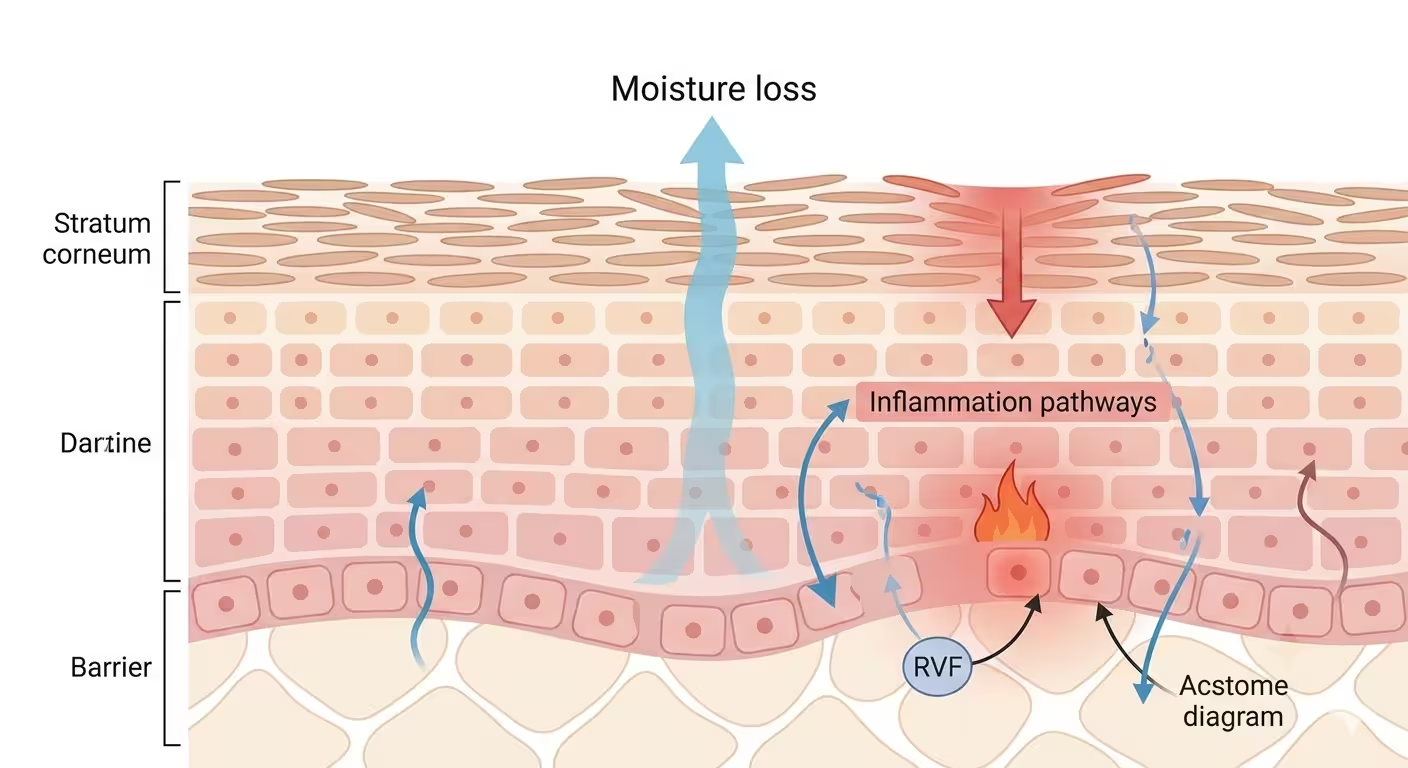
Sensitive skin is not a single condition — it’s a spectrum. At its core, it describes skin with a compromised or reactive skin barrier: the outermost layer of the skin (the stratum corneum) is either structurally thinner, has fewer lipids, or is in a state of chronic low-grade inflammation. This makes it more permeable to irritants, more prone to moisture loss, and slower to recover from external aggressors.
The result is predictable: products that work perfectly well on non-sensitive skin trigger redness, stinging, burning, or itching on reactive skin — often within minutes of application. Makeup, which sits on skin for hours at a time, is one of the most common trigger categories. Foundation in particular, because of its concentration of pigments, emulsifiers, preservatives, and aesthetic additives, carries significant irritation potential for those with reactive skin.
Sensitive skin most commonly presents as one (or more) of the following conditions:
- Rosacea — chronic facial redness, flushing, and sometimes papules concentrated on the cheeks, nose, and forehead; triggered by heat, UV exposure, alcohol, and certain cosmetic ingredients
- Eczema (atopic dermatitis) — dry, itchy, inflamed patches that flare in response to allergens, irritants, temperature changes, and stress; skin barrier is structurally compromised
- Contact dermatitis — allergic or irritant reaction to a specific ingredient; presents as localised redness, swelling, or blistering where the product was applied
- General reactive skin — skin that stings, tingles, or flushes easily without a diagnosed condition; common in fair-skinned individuals and those with a history of atopy
Foundation does not have to make any of these conditions worse. The right formula — one built around barrier support, minimal irritants, and soothing actives — can actually help calm the visible signs of these conditions while providing coverage.
What “Hypoallergenic” Really Means: The term hypoallergenic makeup foundation means the formula is designed to minimise the most common allergenic ingredients — primarily fragrances, certain preservatives, and known contact allergens. Like “non-comedogenic,” it is a brand claim rather than a regulated standard. However, foundations that are simultaneously fragrance-free, allergy-tested on real sensitive-skin volunteers, and certified by organisations like the National Eczema Association (NEA) offer meaningful independent verification beyond the label alone.
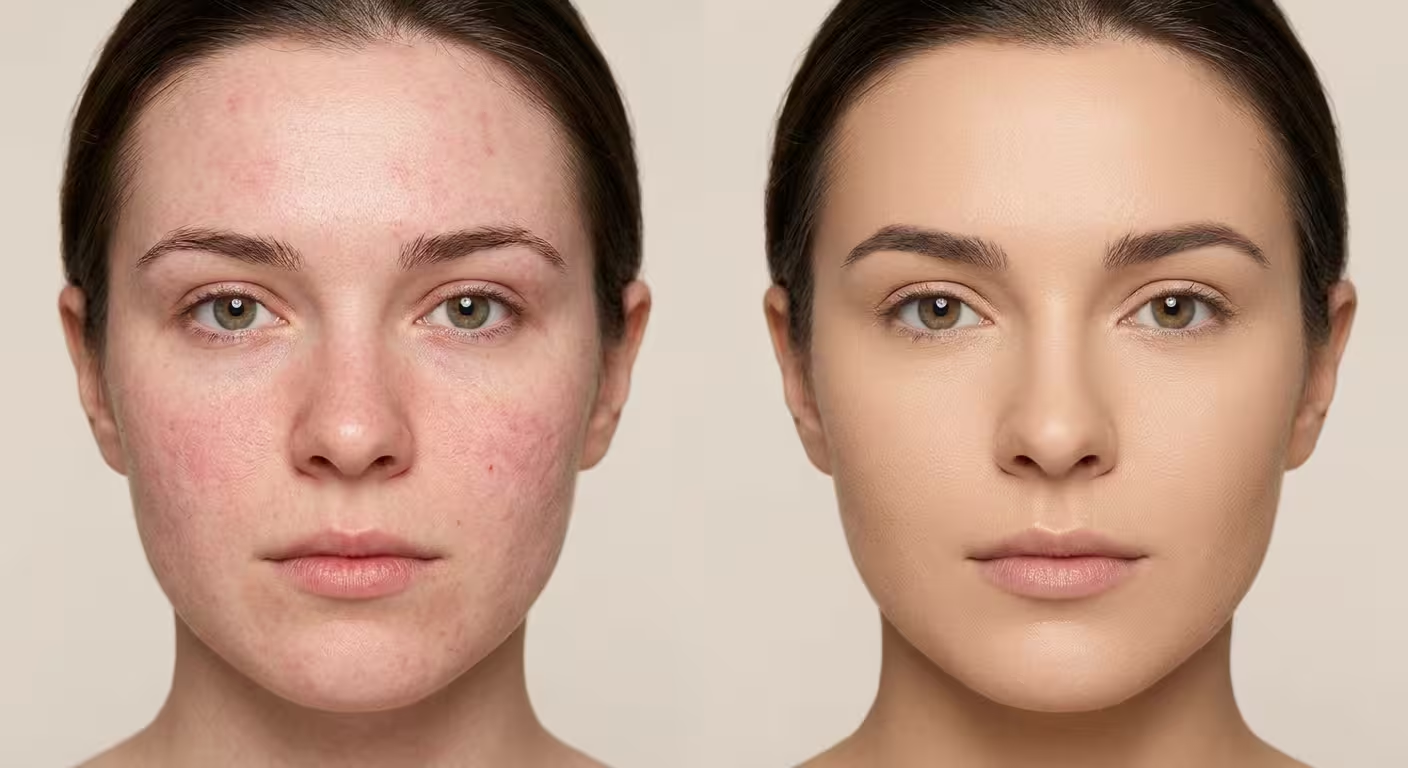
What Dermatologists Look for in a Foundation for Sensitive Skin
When board-certified dermatologists guide patients toward a foundation, they are applying a consistent filter across four categories: formula base, ingredients to seek, ingredients to avoid, and independent certifications. Here is the full framework.
The Non-Negotiables: Four Criteria Every Pick Must Pass
| Criterion | What to Look For | Why It Matters |
|---|---|---|
| Fragrance-free | No “fragrance,” “parfum,” essential oils, or botanical extracts used for scent | Fragrance is the single most common cause of cosmetic contact dermatitis; even “natural” fragrances trigger reactions in sensitive skin |
| Allergy-tested | “Allergy-tested,” “dermatologist-tested,” or tested by an independent dermatology panel | Means the formula has been trialled on people with known sensitivities — a meaningful distinction from merely being labeled gentle |
| Non-comedogenic | Formulated without ingredients that block pores or trap heat and bacteria | Occlusive formulas worsen rosacea and can trigger new breakouts; also signals a lighter, breathable formula |
| Mineral or physical SPF | Zinc oxide or titanium dioxide as the SPF active (not chemical filters like avobenzone or octinoxate) | Chemical sunscreen filters are significantly more likely to irritate sensitive and rosacea-prone skin; mineral filters are anti-inflammatory |
Ingredients to Seek Out
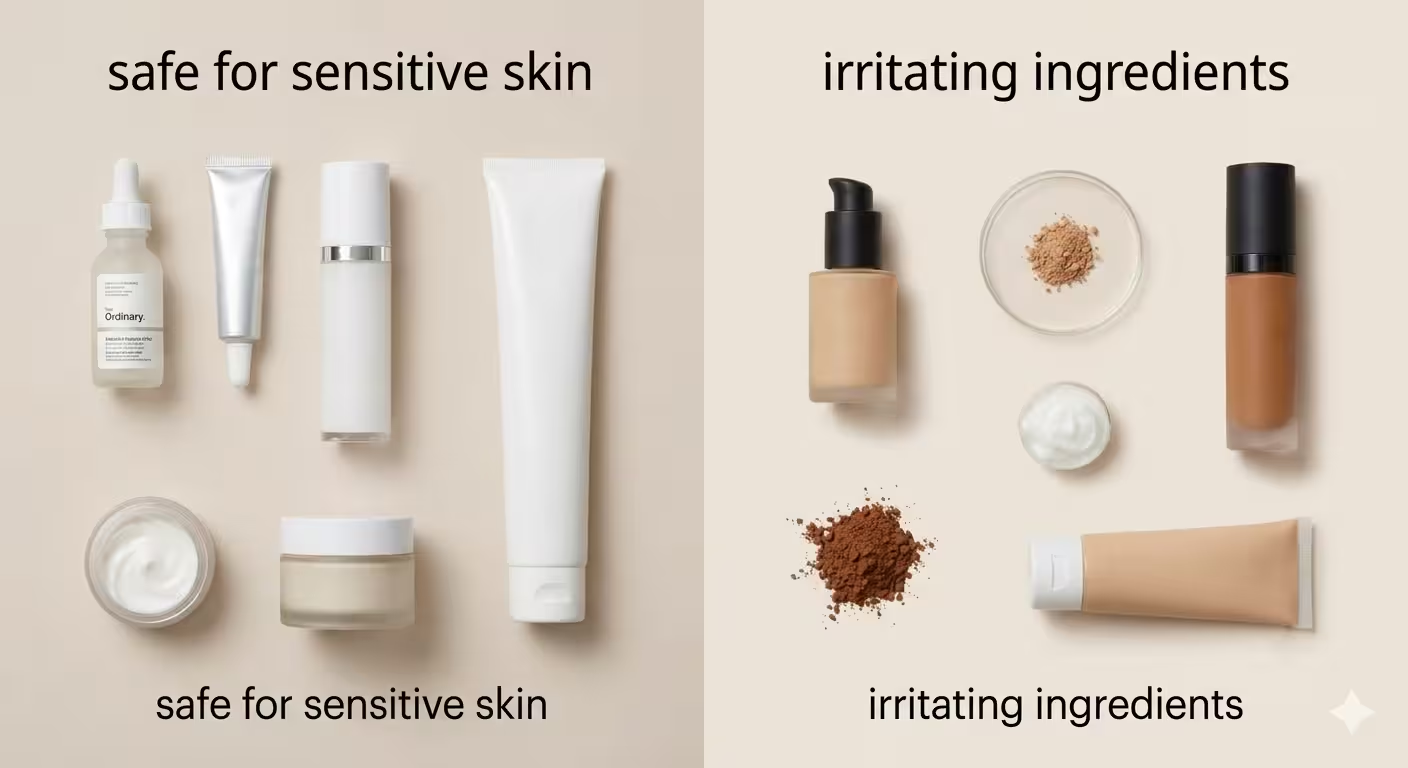
✓ Beneficial for Sensitive Skin
- Zinc oxide — mineral SPF + powerful anti-inflammatory; calms redness and irritation as it protects; particularly valued for eczema-prone skin
- Ceramides — identical to the lipids in the skin barrier; replenish what sensitive skin chronically lacks; prevent transepidermal water loss
- Niacinamide (vitamin B3) — reduces redness and inflammation, strengthens the skin barrier, minimises pore appearance; highly tolerated by reactive skin
- Hyaluronic acid — moisture binding without any oil or occlusion; hydrates without provoking sensitivity
- Thermal spring water — rich in trace minerals with documented anti-inflammatory and skin-soothing properties; a hallmark of La Roche-Posay formulas
- Centella asiatica (cica) — clinically shown to reduce inflammation, support wound healing, and calm reactive skin; increasingly common in sensitive-skin foundations
- Aloe vera — immediate soothing and cooling effect; helps calm redness on contact; barrier-supporting humectant
- Glycerin — gentle, universally tolerated humectant; keeps formula from drying out on reactive skin
✕ Common Sensitive Skin Triggers
- Fragrance / parfum / essential oils — the number one cosmetic allergen; includes “natural” fragrances like lavender oil, rose extract, and citrus oils
- Alcohol denat (denatured alcohol) — strips the skin barrier, causes immediate stinging on reactive skin, worsens dryness
- Parabens (methylparaben, propylparaben) — common preservatives linked to contact dermatitis in sensitive individuals
- Propylene glycol — emulsifier that causes reactions in a significant subset of sensitive skin types, particularly eczema-prone
- Lanolin — common moisturiser derived from sheep wool; frequently triggers allergic contact dermatitis in eczema-prone individuals
- Formaldehyde-releasing preservatives — (DMDM hydantoin, diazolidinyl urea) documented skin sensitisers; avoid on reactive skin
- Chemical sunscreen filters — avobenzone, octinoxate, oxybenzone; more likely to cause stinging and flushing on rosacea-prone skin than mineral alternatives
- High-concentration silicones (first-listed) — can trap heat, worsen rosacea flushing, and cause congestion on reactive skin
Independent Certifications Worth Trusting
Beyond ingredient labels, several independent bodies offer meaningful verification for sensitive-skin foundations:
- National Eczema Association (NEA) Seal of Acceptance — awarded to products that meet strict criteria for safety on eczema-prone skin; the most rigorous independent certification in this category. Tower 28 SunnyDays is the first foundation to hold this seal.
- National Rosacea Society recognition — products tested and approved for use on rosacea-prone skin; particularly relevant for redness-covering foundations
- Clinique’s Allergy-Tested standard — the brand has panel-tested every product on people with known sensitivities since 1968; the original dermatology-collaboration beauty standard
- EWG Verified — Environmental Working Group’s safety rating system; verifies absence of ingredients with health or safety concerns beyond irritation
Best Foundation for Sensitive Skin: Our Top Picks
Every foundation below has been selected against the dermatologist framework above: fragrance-free, allergy-tested or dermatologist-recommended, non-comedogenic, and formulated with barrier-supporting ingredients. They are organised by primary use case so you can find the right match for your specific sensitive skin concern.
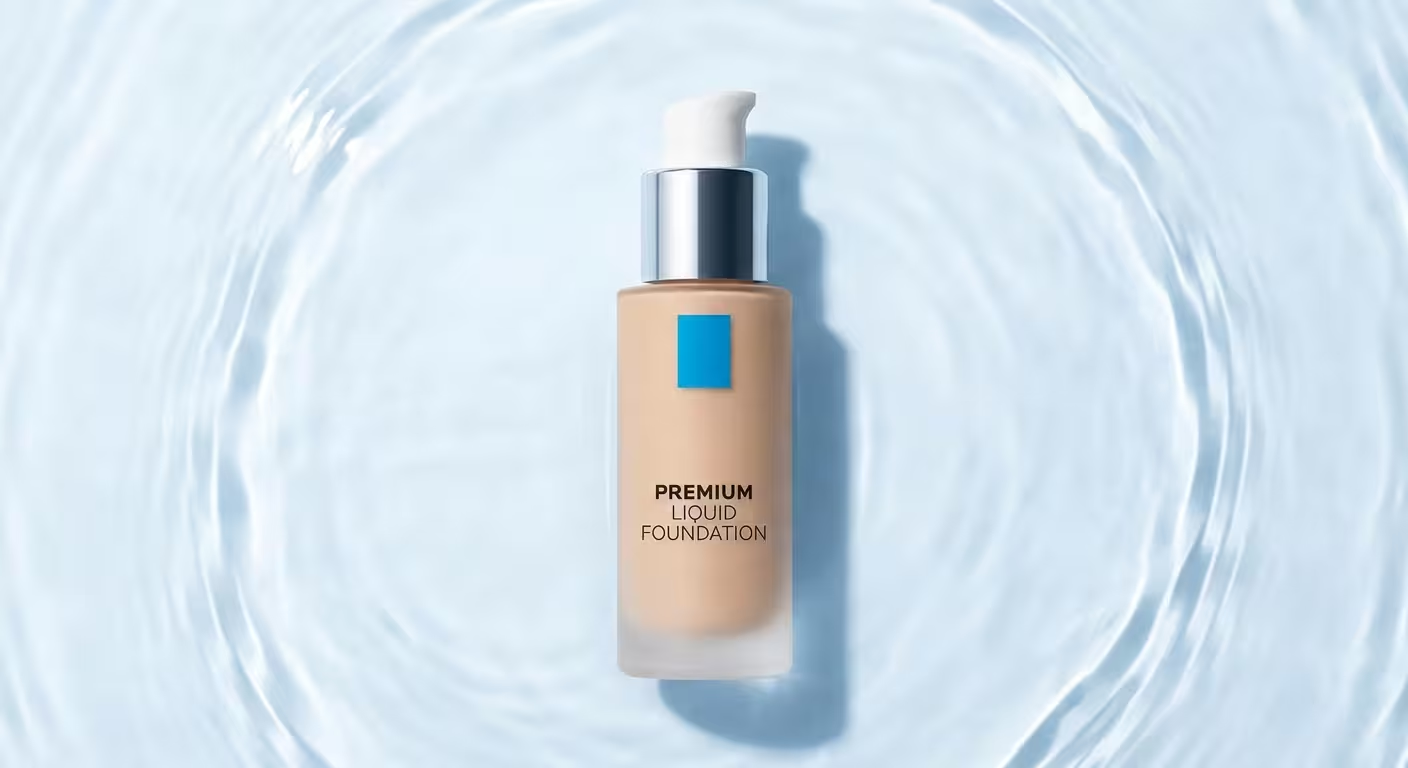
La Roche-Posay Toleriane Teint Fluid Foundation Best Overall · Dermatologist Recommended Foundation for Sensitive Skin
“The dermatologist’s first recommendation — thermal spring water meets medium coverage in a formula that soothes as it covers.”
- Key ingredients: La Roche-Posay thermal spring water, glycerin, niacinamide, allantoin; fragrance-free, alcohol-free, paraben-free
- Coverage & finish: Medium buildable; natural skin-like finish — not matte, not dewy
- Shade range: 8 shades (limited depth range; best for light to medium tones)
- Best for: Rosacea, general reactivity, combination sensitive skin
- Certifications: Allergy-tested; dermatologist-tested; non-comedogenic
- Price tier: Mid-range
Why dermatologists recommend it: La Roche-Posay’s thermal spring water is the active hero here — rich in selenium and trace minerals, it has documented anti-inflammatory and skin-soothing properties confirmed in clinical studies. Paired with niacinamide for redness reduction and allantoin for barrier repair, this formula functions more like a treatment product than a makeup base. It is one of the most consistently recommended foundations by dermatologists for patients with sensitive and reactive skin.
Watch out for: The shade range is limited — deeper skin tones will find better options elsewhere. Finish is neutral to slightly dewy, so very oily sensitive skin may need a light mineral powder to set.
Clinique Even Better Refresh Hydrating and Repairing Foundation Best for Long-Term Barrier Support
“Clinique has been allergy-testing every product on sensitive-skin panels since 1968. This foundation earns the heritage.”
- Key ingredients: Ceramides, hyaluronic acid, antioxidants; 100% fragrance-free; allergy-tested
- Coverage & finish: Medium to full buildable; natural finish with a skin-refreshing effect
- Shade range: 58 shades — excellent across all skin tones and undertones
- Best for: All sensitive skin types; particularly dry sensitive skin needing barrier repair
- Certifications: Allergy-tested; 100% fragrance-free; ophthalmologist-tested
- Price tier: Mid-range to high-end
Why it stands out: Clinique formulated this specifically as a skincare-makeup hybrid. The ceramide content actively repairs the skin barrier throughout wear — not just protecting it from further damage, but contributing to its restoration over time. The “refresh” claim refers to a real skin-feel benefit, not a marketing abstraction: the formula is specifically designed to prevent the tight, uncomfortable feeling that many sensitive-skin types experience after hours of foundation wear.
Watch out for: At full coverage, it can feel moderately substantial — use a damp sponge and thin layers to keep the feel light on reactive skin during flare periods.
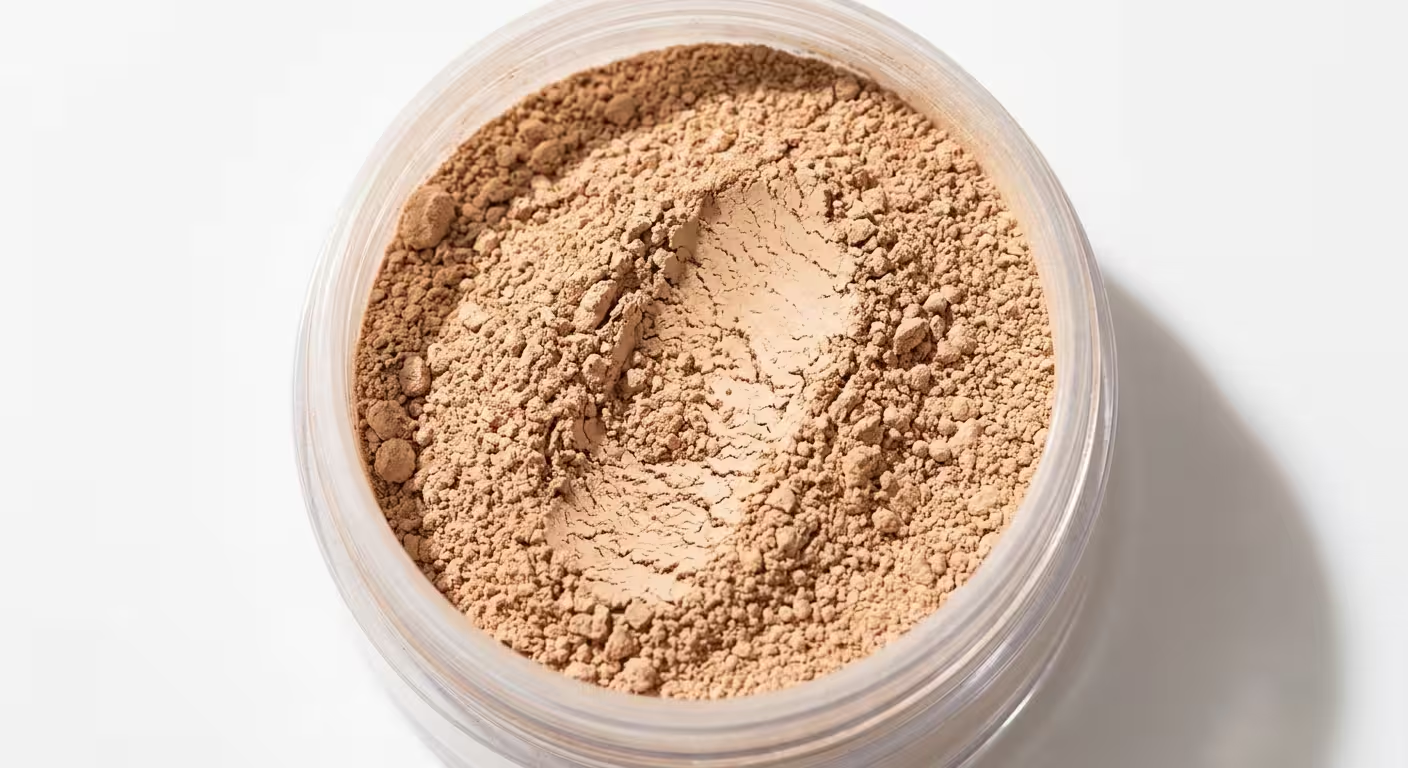
bareMinerals Original Loose Powder Foundation SPF 15 Best Hypoallergenic Makeup Foundation · Mineral
“Five ingredients. No fillers, no irritants, no fragrance. The mineral foundation dermatologists have recommended for three decades.”
- Key ingredients: Mica, bismuth oxychloride, titanium dioxide, zinc oxide, iron oxides — nothing else
- Coverage & finish: Buildable sheer to full; natural, skin-like finish
- Shade range: 30 shades
- Best for: Eczema-prone skin, fungal-acne-safe needs, minimalist ingredient preferences, sensitive skin with acne overlap
- Certifications: Non-comedogenic; dermatologist-tested; cruelty-free; fungal acne safe
- Price tier: Mid-range
Why it’s special: With only five ingredients, this is as close to a guaranteed no-reaction formula as exists in the foundation category. Zinc oxide provides SPF 15 while simultaneously calming inflammation — a meaningful benefit for rosacea and eczema-prone skin. The loose powder format naturally avoids the emulsifiers, preservatives, and alcohol that liquid foundations require, eliminating entire categories of potential triggers. Dermatologists have recommended it consistently for three decades because the formula has remained unchanged: a mark of confidence in what it contains and what it deliberately excludes.
Watch out for: Bismuth oxychloride causes itching or irritation in a small subset of highly sensitive users. If you have reacted to mineral makeup before, check for this ingredient specifically before purchasing.
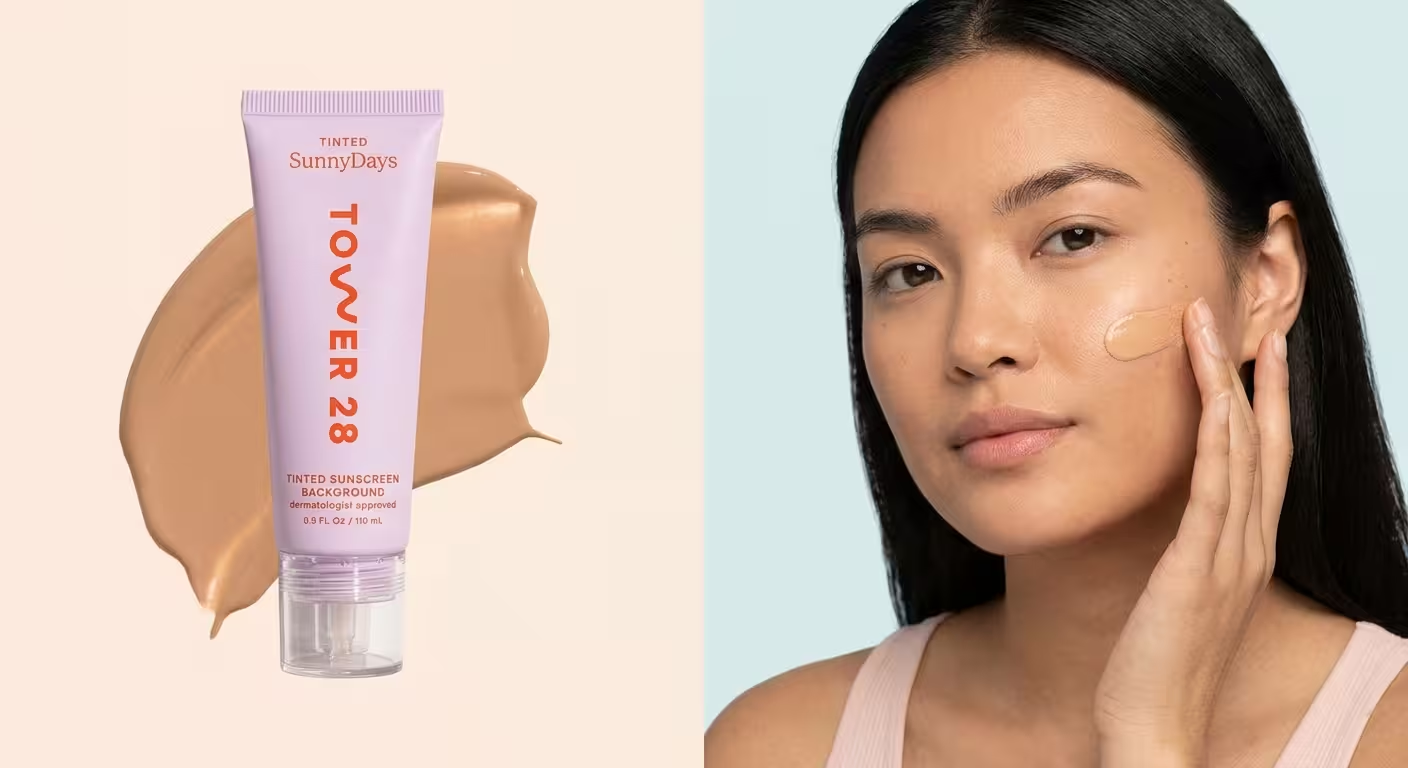
Tower 28 SunnyDays SPF 30 Tinted Sunscreen Foundation Best for Eczema + Rosacea · NEA Certified
“The first foundation to hold the National Eczema Association Seal of Acceptance — and it’s genuinely excellent to wear.”
- Key ingredients: Zinc oxide (SPF 30, mineral), prickly pear extract, aloe vera, white sage; fragrance-free, alcohol-free, paraben-free
- Coverage & finish: Light-to-medium; natural, skin-like finish; buildable with layers
- Shade range: 14 shades with diverse undertones
- Best for: Eczema-prone skin, rosacea, reactive skin, anyone wanting independent certification
- Certifications: National Eczema Association Seal of Acceptance; National Rosacea Society recognised; fragrance-free; vegan
- Price tier: Mid-range
Why the certification matters: The NEA Seal is not self-awarded. Products must meet strict formulation standards and submit to independent evaluation to receive it. Tower 28 is the only foundation on the market to hold this seal — making it the most independently verified foundation for eczema-prone skin available. The zinc oxide base provides broad-spectrum SPF 30 using only mineral filters, protecting the skin from UV-triggered rosacea flushing and PIH darkening without the chemical filter irritation risk.
Watch out for: As a tinted sunscreen hybrid, the coverage is genuinely light-to-medium. This is not a foundation for concealing moderate-to-severe redness or active breakouts — pair with a fragrance-free concealer for targeted coverage.
IT Cosmetics Your Skin But Better CC+ Cream SPF 50+ Best Skincare-Foundation Hybrid · Sensitive Skin
“Full coverage meets SPF 50+ in a formula with niacinamide, collagen, and antioxidants — the overachiever of sensitive-skin foundations.”
- Key ingredients: Niacinamide, hydrolysed collagen, hyaluronic acid, antioxidant vitamins C, E, and B; SPF 50+ with both mineral and chemical filters; fragrance-free
- Coverage & finish: Light-to-medium buildable; natural dewy-to-satin finish
- Shade range: 40+ shades
- Best for: Sensitive skin with redness, uneven tone, or early signs of ageing; those who want skincare + coverage in a single product
- Price tier: Mid-range
Why dermatologists cite it: The niacinamide content actively works to reduce redness and strengthen the barrier throughout wear. Hydrolysed collagen and hyaluronic acid prevent the dehydration that sensitive skin is prone to under coverage. The SPF 50+ is a meaningful level of UV protection for reactive skin, which is disproportionately sun-sensitive.
Watch out for: This formula contains both mineral and chemical sunscreen filters. If your skin is specifically reactive to chemical filters (common in rosacea), choose La Roche-Posay Toleriane or Tower 28 SunnyDays for mineral-only SPF instead.
Best Foundation for Sensitive Skin by Specific Concern
Sensitive skin is not one-size-fits-all. These picks address the distinct needs of the most common sensitive-skin subtypes.
Best for Rosacea
Rosacea-prone skin needs foundations that cover redness without trapping heat, worsening flushing, or delivering ingredients that trigger flares. Dermatologists specifically advise mineral SPF (zinc oxide/titanium dioxide), fragrance-free formulas, and lightweight rather than heavy occlusive textures. “Heavy, occlusive liquid foundations can trap heat and bacteria, which may worsen flushing or breakouts,” notes Dr. Mona Gohara, board-certified dermatologist at Dermatology Physicians of Connecticut.
Westman Atelier Vital Skin Complexion Drops Best for Rosacea · Light Coverage
“Created by a makeup artist with chronic rosacea — a redness-neutralising serum foundation that actually understands the condition.”
- Key ingredients: Ginseng extract (calming), hyaluronic acid, squalane, peptides; fragrance-free; no alcohol
- Coverage & finish: Sheer-to-light buildable; luminous, skin-like finish
- Best for: Mild-to-moderate rosacea, redness-neutralising coverage, combination to dry reactive skin
- Price tier: High-end
Why it works for rosacea: Gucci Westman developed this formula with her own chronic rosacea in mind — so the entire concept is built around coverage that calms rather than covers that inflames. Ginseng extract has anti-inflammatory properties; squalane mimics the skin’s own lipids and doesn’t trigger flushing; the serum-thin consistency avoids the heat-trapping issue of heavier liquid foundations.
Colorescience Tint du Soleil SPF 30 Whipped Foundation Best for Rosacea · Medium Coverage with SPF
“Dermatologist-dispensed and rosacea-approved — a whipped mineral SPF foundation used in clinical practice for post-procedure skin.”
- Key ingredients: Titanium dioxide and zinc oxide (mineral SPF 30), ceramides, peptides; fragrance-free; no chemical filters
- Coverage & finish: Medium; natural matte finish; mineral-smooth texture
- Best for: Rosacea management, post-procedure skin, reactive skin that flushes in the sun
- Certifications: Dermatologist-recommended; frequently cited in rosacea management protocols
- Price tier: High-end
Why dermatologists recommend it for rosacea: Purely mineral SPF filters mean zero risk of chemical-filter-triggered flushing. Ceramides support the compromised skin barrier common in rosacea. This is a product regularly recommended in dermatology practices for patients whose rosacea is light-triggered — the mineral SPF works therapeutically, not just cosmetically.
Best for Eczema-Prone Skin
Eczema skin needs foundations that never cause stinging or itching on application, avoid the most common contact allergens, and ideally provide barrier-supporting ingredients. “Most people with eczema are more prone to skin sensitivity and allergies,” notes Dr. Tiffany Link, medical and cosmetic dermatologist at Advanced Dermatology and Cosmetic Surgery. “Choose products with minimal ingredients, no fragrance, and fewer chemicals.” Never apply foundation over an active eczema flare — wait until the flare has settled and the skin is intact before resuming wear.
ILIA Super Serum Skin Tint SPF 40 Best for Eczema-Prone Skin · Serum Foundation
“Part foundation, part skincare serum, part mineral SPF — a three-in-one that genuinely reduces routine steps without compromising sensitive skin.”
- Key ingredients: Niacinamide, hyaluronic acid, aloe vera, zinc oxide (SPF 40, mineral); fragrance-free, vegan, clean formula
- Coverage & finish: Sheer-to-light; dewy, hydrated, natural finish
- Shade range: 30 shades
- Best for: Eczema-prone and dry sensitive skin; those who want a simplified, low-step routine
- Price tier: High-end
Why it works for eczema-prone skin: Every active ingredient in this serum foundation supports eczema-prone skin specifically — niacinamide reduces barrier permeability, hyaluronic acid addresses the chronic dehydration associated with atopic skin, aloe vera soothes on contact, and mineral zinc oxide calms inflammation while providing broad-spectrum sun protection. The serum texture minimises friction on application, which matters for eczema skin that is easily irritated by rubbing.
Neutrogena Sensitive Skin Serum Foundation with Vitamin B5 Best Drugstore · Eczema & Sensitive Skin
“A dermatologist-recommended drugstore serum foundation with vitamin B5 — genuinely formulated for the most reactive skin at an accessible price.”
- Key ingredients: Vitamin B5 (panthenol) — barrier-healing, soothing, intensely hydrating; non-comedogenic serum base; fragrance-free
- Coverage & finish: Light-to-medium; natural, skin-forward finish
- Best for: Budget-conscious shoppers; sensitive skin with dryness or minor eczema
- Certifications: Dermatologist-tested; hypoallergenic; fragrance-free
- Price tier: Drugstore
Why it’s the best drugstore option: Panthenol (vitamin B5) is one of the best-evidenced barrier-supportive ingredients in cosmetic chemistry — it reduces transepidermal water loss, supports epidermal repair, and calms inflammation. That Neutrogena has centred an entire sensitive-skin foundation around it at a drugstore price point is a genuine commitment to the category, not just label marketing.
Best for Dry + Sensitive Skin
Dry sensitive skin needs hydration as much as it needs barrier protection. The wrong foundation formula will emphasise flaky patches, cling to dry areas, and leave skin feeling tight and uncomfortable. Look for serum foundations, hydrating liquid formulas, and tinted moisturisers with ceramide or hyaluronic acid bases — and always prime with a fragrance-free moisturiser before applying.
Rare Beauty Positive Light Tinted Moisturiser SPF 20 Best for Dry + Sensitive Skin
“Hydration-first coverage — a tinted moisturiser that never drags on dry patches and never settles into fine lines.”
- Key ingredients: Hyaluronic acid, squalane, vitamin C; mineral SPF 20; fragrance-free
- Coverage & finish: Sheer-to-light; luminous, skin-perfecting dewy finish
- Shade range: 20 shades
- Best for: Dry to combination sensitive skin; minimal-coverage days; those who want a single hydrating + coverage + SPF product
- Price tier: Mid-range
Why it works for dry sensitive skin: Squalane is one of the most compatible emollients for sensitive skin — it mimics the skin’s natural lipid structure, which means it moisturises without ever feeling foreign or occlusive. Hyaluronic acid binds moisture at multiple skin depths. Together, they prevent the tight, uncomfortable feeling that dry sensitive skin experiences under coverage, and the dewy finish naturally makes dry patches less visible rather than accentuating them.
Vichy Dermablend 3D Correction SPF 25 Foundation Best Full Coverage · Sensitive Skin
“Twice the coverage of a standard foundation without the irritation — for sensitive skin that needs serious concealment.”
- Key ingredients: Hyaluronic acid, thermal spring water, glycerin; SPF 25; fragrance-free; allergy-tested
- Coverage & finish: Full coverage; matte finish; airbrushed effect
- Shade range: 12 shades (limited at deeper end)
- Best for: Sensitive skin with redness, scarring, or hyperpigmentation needing full coverage; rosacea with more severe redness
- Certifications: Allergy-tested; dermatologist-tested; non-comedogenic
- Price tier: Mid-range
Why it achieves full coverage without irritation: Vichy, like La Roche-Posay, uses thermal spring water as a core formula component — bringing genuine soothing properties rather than using water as a filler base. The hyaluronic acid and glycerin prevent the dehydrating effect that full-coverage formulas often cause on sensitive skin. The result is a genuinely high-coverage formula that doesn’t compromise on gentleness — a rare combination.
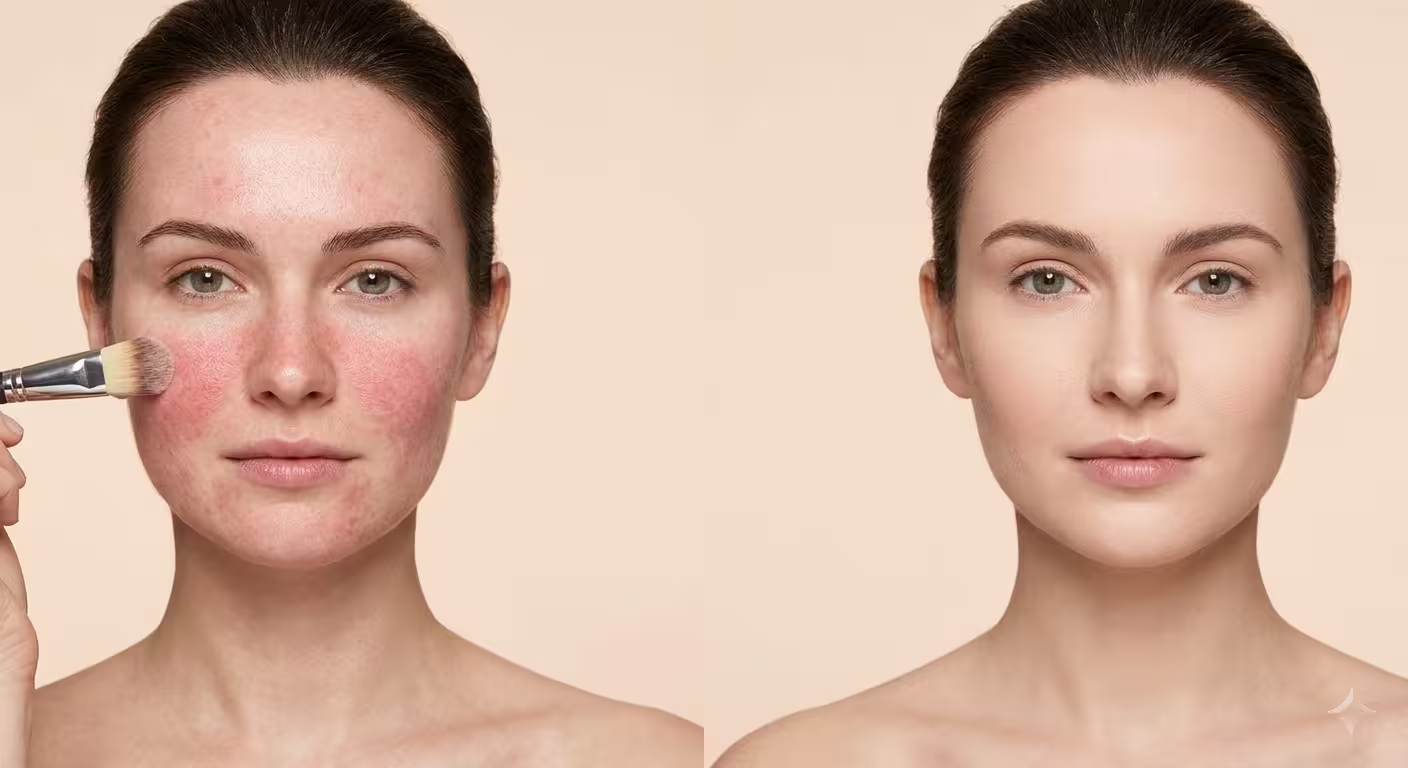
The Most Trusted Hypoallergenic Makeup Foundation Brands
Beyond individual products, certain brands have built their entire identity around sensitive-skin safety. These are the houses dermatologists consistently return to when recommending makeup for reactive patients.
| Brand | Sensitive-Skin Credential | Best Known For | Price Range |
|---|---|---|---|
| Clinique | 100% fragrance-free across all products; allergy-tested on real sensitive-skin panels since 1968 | Pioneering hypoallergenic makeup; comprehensive shade range | Mid to high |
| La Roche-Posay | Dermatologist-developed; thermal spring water formulations; allergy-tested; no alcohol denat | Toleriane Teint range; trusted in clinical dermatology practice globally | Mid-range |
| bareMinerals | 5-ingredient mineral formula; non-comedogenic; fragrance-free; dermatologist-tested | Original Loose Powder; minimalist ingredient philosophy | Mid-range |
| Tower 28 | Only brand 100% following NEA guidelines; first foundation with NEA Seal of Acceptance | SunnyDays tinted SPF; eczema and rosacea certified | Mid-range |
| Almay | Hypoallergenic brand built entirely around sensitive-skin needs; fragrance-free across the line | Budget-accessible hypoallergenic options; ophthalmologist-tested | Drugstore |
| Colorescience | Dermatologist-dispensed; mineral-only SPF across the line; frequently used in clinical rosacea management | Tint du Soleil; post-procedure care; professional-grade mineral coverage | High-end |
| ILIA | Clean formula standards; no fragrance, no parabens, no silicones; mineral SPF throughout | Super Serum Skin Tint; clean-beauty sensitive-skin crossover | High-end |
How to Apply Foundation on Sensitive Skin Without Triggering a Reaction
Technique matters as much as formula for sensitive skin. The wrong application method can cause mechanical irritation, disrupt the skin barrier, and trigger a flare even with a perfectly formulated product.
- Always patch test first. Apply a small amount of any new foundation to your jaw or inner arm. Wait 24–48 hours before full-face use. This is the only way to identify contact allergens before they cause a widespread reaction. If stinging occurs within minutes, the formula contains an irritant — likely alcohol, fragrance, or a preservative — and should not be used on your face.
- Prep with a barrier-supporting moisturiser. Apply a fragrance-free, ceramide-based moisturiser and allow it to fully absorb before foundation. This step is essential for sensitive skin: it creates a protective film between the skin and the formula, reduces friction during application, and prevents the foundation from pulling moisture from the skin. Never apply foundation directly onto dry, unprotected reactive skin.
- Use a clean synthetic brush or fresh damp sponge. Fingers transfer bacteria and can cause unnecessary friction on sensitised skin. Synthetic brushes are preferred over natural-bristle brushes, which can harbour allergens. If using a sponge, dampen it first — a wet sponge deposits less product and requires far less friction to blend than a dry one.
- Press and pat — never drag or rub. Dragging product across reactive skin increases mechanical irritation and can worsen redness and inflammation. Press the foundation onto the skin in dabbing motions, then lightly pat to blend. This is especially important over any areas of active redness or inflamed skin.
- Build in thin layers, not one heavy application. A single heavy layer of foundation increases occlusion, traps heat, and is more likely to provoke a reaction. Apply a thin first layer across the whole face, allow it to set for 60 seconds, then add a second thin layer only where needed. This approach also ensures the most natural, skin-like finish.
- Set only if necessary — with a mineral powder. If you need to set foundation on sensitive skin, use a loose mineral setting powder rather than a pressed powder with fillers. Avoid talc-heavy formulas, which can be drying on reactive skin.
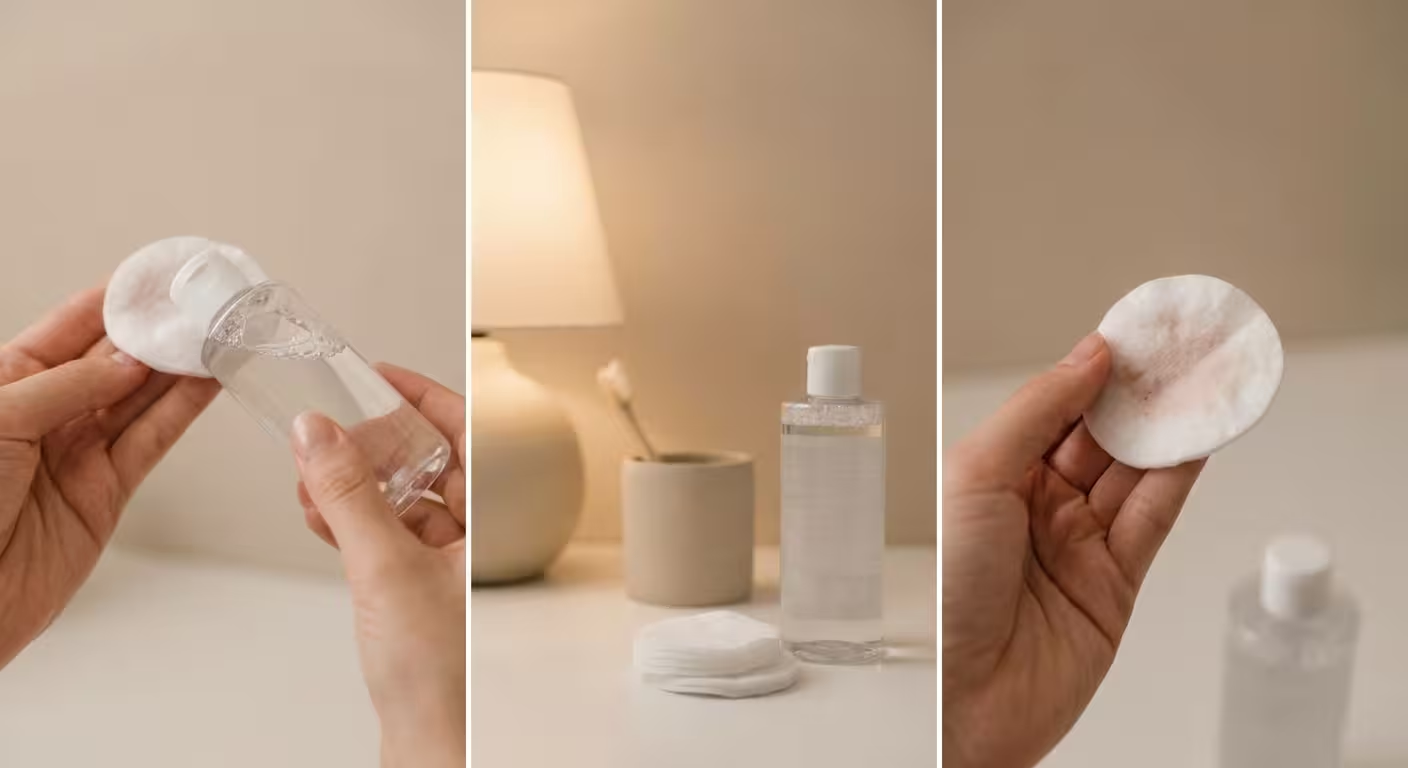
- Remove with a fragrance-free micellar water — gently. Removal is as important as application for sensitive skin. Use a fragrance-free micellar water on a soft cotton pad, held still against skin for 10–15 seconds before wiping — this dissolves the foundation without friction. Never use makeup wipes on sensitive skin: the dragging motion and preservatives in most wipes are a documented irritant trigger. Follow with a gentle, non-foaming fragrance-free cleanser.
During a Flare: If your skin is actively flaring — red, stinging, or broken — do not apply foundation. No formula is gentle enough to apply over a compromised or broken skin barrier without risk of worsening the reaction. Wait until the skin is settled and intact. If you need coverage during this period, a very sheer tinted SPF (like Tower 28 SunnyDays) pressed lightly onto settled, non-broken areas only is the safest approach.
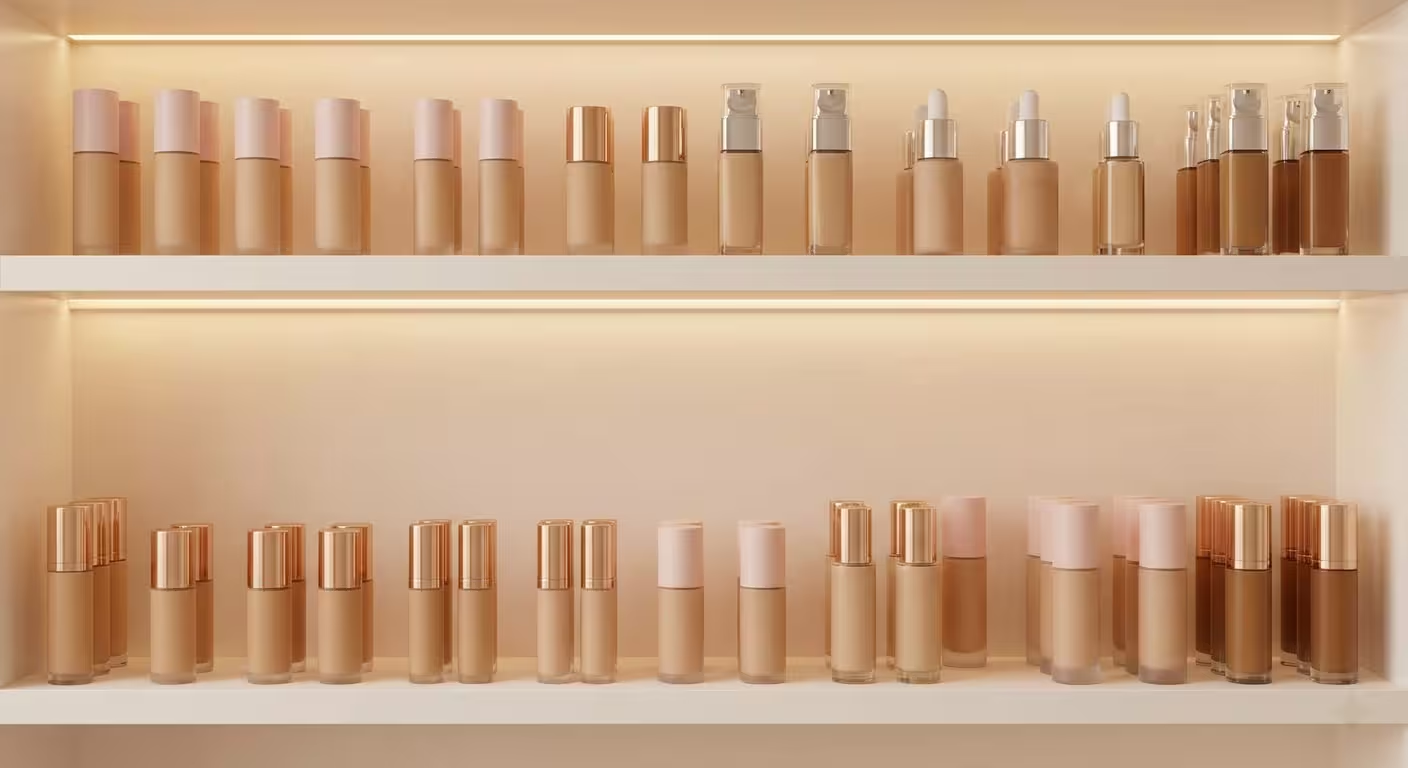
Hypoallergenic vs. Natural vs. Clean: What Actually Matters for Sensitive Skin
These three terms appear constantly on sensitive-skin foundation marketing — and they are not interchangeable. Understanding what each actually means (and doesn’t mean) protects you from marketing that looks reassuring but offers little real safety for reactive skin.
| Label | What It Means | What It Doesn’t Mean | Useful for Sensitive Skin? |
|---|---|---|---|
| Hypoallergenic | Formulated to minimise the most common allergens, primarily fragrance and certain preservatives | Not regulated; does not guarantee zero allergens; varies by brand’s definition | Yes — especially when combined with “fragrance-free” and “allergy-tested” |
| Natural / Clean | Typically means no synthetic fragrances, parabens, or certain petroleum-derived ingredients | Natural ≠ gentle. Essential oils, botanical extracts, and plant-derived fragrances are among the most common contact allergens in cosmetics | Only if the formula is also fragrance-free — many “natural” foundations contain irritating botanicals |
| Dermatologist-tested | A dermatologist reviewed or trialled the product | Does not specify how many dermatologists, under what conditions, or on what skin types | Moderately — more meaningful when combined with “allergy-tested on sensitive skin panels” |
| Fragrance-free | Contains no added fragrance ingredients — neither synthetic nor “natural” | “Unscented” is not the same — unscented products often contain masking fragrances | Yes — this is the single most reliable indicator of a sensitive-skin-safe formula |
| NEA Seal of Acceptance | Independently verified to meet the National Eczema Association’s strict safety criteria | Currently limited to a very small number of products — don’t confuse NEA with NEA-similar language | Strongly yes — the most meaningful independent certification in the category |
The Natural Ingredient Trap: “Natural” does not mean safe for sensitive skin. Essential oils, botanical extracts, and plant-based fragrances are among the most common cosmetic allergens documented in dermatology literature. Lavender oil, citrus extracts, tea tree oil, and rose extract are all natural ingredients that regularly trigger contact dermatitis in reactive skin. A completely synthetic, fragrance-free formula — like Clinique’s core range — is typically far safer for sensitive skin than a “100% natural” foundation full of botanicals.
Frequently Asked Questions
What is the best foundation for sensitive skin?
La Roche-Posay Toleriane Teint Fluid Foundation is the most consistently recommended option by dermatologists for sensitive and reactive skin — its thermal spring water base, niacinamide content, and allergy-tested, fragrance-free formula make it a clinical-grade choice. For eczema-specifically, Tower 28 SunnyDays holds the only National Eczema Association Seal of Acceptance of any foundation. For minimalists, bareMinerals Original Loose Powder’s 5-ingredient mineral formula eliminates entire categories of potential irritants.
What does “hypoallergenic” mean on a foundation?
Hypoallergenic means the formula is designed to minimise the most common allergenic ingredients — primarily synthetic fragrances, certain preservatives, and known contact allergens. It is not a regulated or certified term, which means the standard varies between brands. The most reliable interpretation comes from brands that combine the claim with independent allergy-testing on real sensitive-skin panels (like Clinique) or independent body certification (like Tower 28’s NEA Seal).
Can foundation trigger rosacea flares?
Yes — certain ingredients and formula types can worsen rosacea. The main triggers are: synthetic fragrances, chemical sunscreen filters (avobenzone, octinoxate), alcohol denat, heavy occlusive textures that trap heat, and high-concentration silicones. To protect rosacea-prone skin, choose fragrance-free, mineral-SPF formulas with lightweight, breathable textures. Avoid applying foundation when actively flushing — wait for the skin to calm first.
Is mineral foundation better for sensitive skin?
Generally yes — mineral foundations like bareMinerals Original Loose Powder have fewer ingredients, avoid the emulsifiers and preservatives that liquid foundations require, and contain zinc oxide which is simultaneously a mineral SPF and an anti-inflammatory. They are particularly well suited for eczema-prone skin and reactive skin that has responded badly to liquid foundations. The caveat: a small number of people react to bismuth oxychloride, which is present in most mineral foundations — if you’ve previously experienced itching from mineral makeup, check for this ingredient specifically.
Can I wear foundation if I have eczema?
Yes, with careful product selection and technique — but not during an active flare. During a flare, the skin barrier is compromised and even the gentlest formula will likely worsen the reaction. When skin is settled and intact, choose foundations that are fragrance-free, paraben-free, alcohol-free, and ideally hold the National Eczema Association Seal of Acceptance (Tower 28 SunnyDays). Apply with a clean damp sponge using gentle pressing motions, and remove thoroughly with a fragrance-free micellar water at day’s end.
Is “fragrance-free” the same as “unscented”?
No — and the distinction matters significantly for sensitive skin. Fragrance-free means the product contains no added fragrance ingredients of any kind. Unscented means the product has no detectable scent, but this is often achieved by adding masking fragrances — synthetic chemicals that neutralise odour — which are themselves potential allergens. For sensitive skin, always choose fragrance-free over unscented.
What’s the best drugstore foundation for sensitive skin?
Neutrogena Sensitive Skin Serum Foundation with Vitamin B5 is the most consistently recommended drugstore option for sensitive and reactive skin. Its panthenol (vitamin B5) base actively supports barrier healing; it is fragrance-free, hypoallergenic, and dermatologist-tested at a genuinely accessible price point. Almay’s foundation range is also a strong drugstore alternative — the entire brand is built around hypoallergenic standards.
How do I remove foundation without irritating sensitive skin?
Use a fragrance-free micellar water on a soft cotton pad. Hold the pad flat against the skin for 10–15 seconds to dissolve the foundation, then wipe gently — don’t rub. Follow with a gentle, non-foaming fragrance-free cleanser. Never use regular makeup wipes on sensitive skin: the mechanical dragging motion and preservatives in most wipe formulas are documented irritants for reactive skin. Double-cleansing with a gentle cleansing balm first is also effective and gentler than most wipe-based approaches.
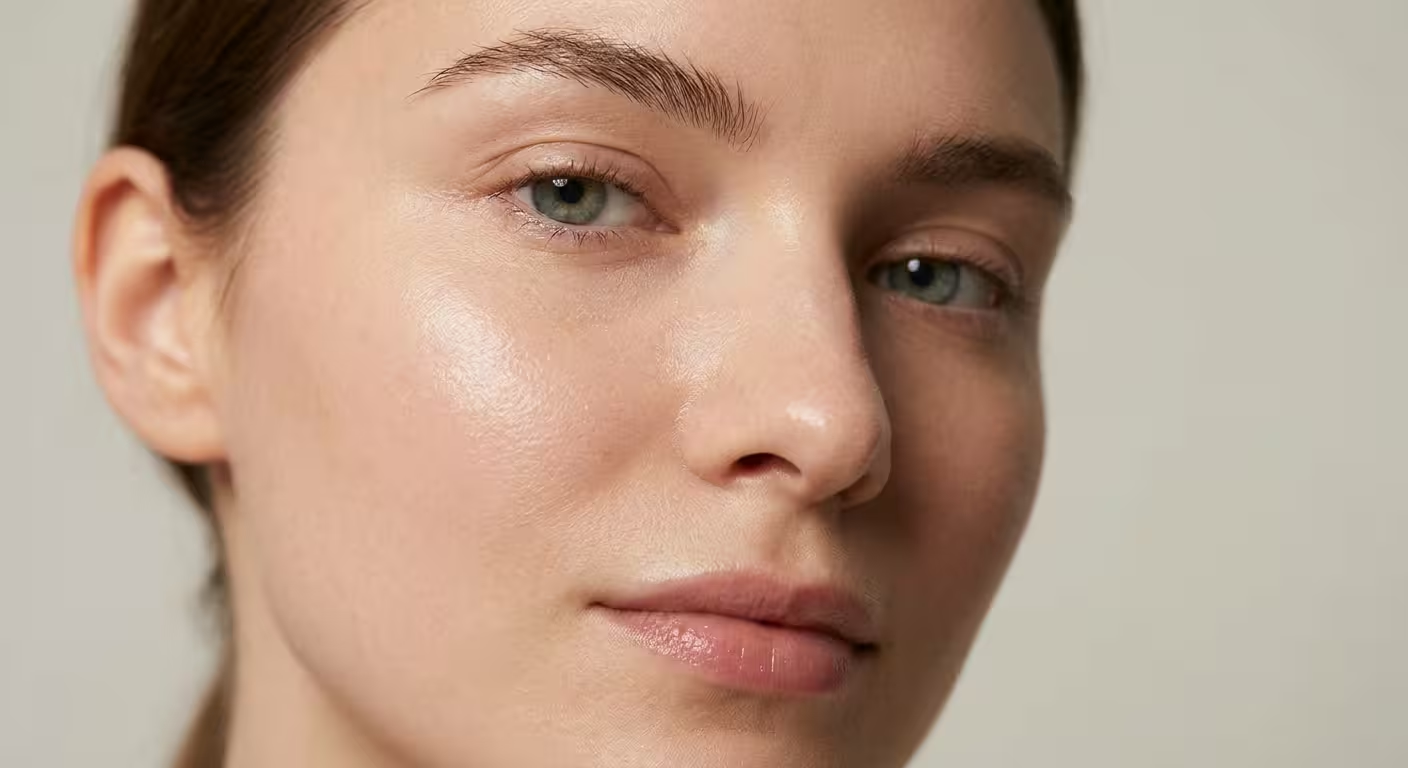
The Bottom Line: Gentleness Is a Formula Decision, Not a Marketing Label
The best foundation for sensitive skin is not the one with the most “clean” or “natural” claims on the packaging. It is the one with the fewest proven irritants in the ingredient list, the most meaningful independent certifications, and the most documented support for skin-barrier health in its active ingredients.
For most people with sensitive or reactive skin, the framework is straightforward: fragrance-free above all else, allergy-tested by independent panels, non-comedogenic, and formulated with at least one barrier-supporting active — ceramides, niacinamide, zinc oxide, or hyaluronic acid.
Our top picks by need:
- Best overall: La Roche-Posay Toleriane Teint Fluid Foundation — the dermatologist’s most-recommended pick for reactive skin, globally.
- Best for eczema: Tower 28 SunnyDays SPF 30 — the only foundation with the National Eczema Association Seal of Acceptance.
- Best mineral / hypoallergenic: bareMinerals Original Loose Powder — five ingredients, thirty years of clinical recommendation, fungal acne safe.
- Best full coverage: Vichy Dermablend 3D Correction — allergy-tested full coverage with thermal spring water; no compromise on gentleness.
- Best drugstore: Neutrogena Sensitive Skin Serum Foundation with Vitamin B5 — barrier-healing panthenol at an accessible price point.
Whichever formula you choose, patch test before full-face use, introduce it alone so you can isolate any reaction, and remove it thoroughly each evening. The foundation won’t cause your sensitivity — but the wrong one absolutely can worsen it.