

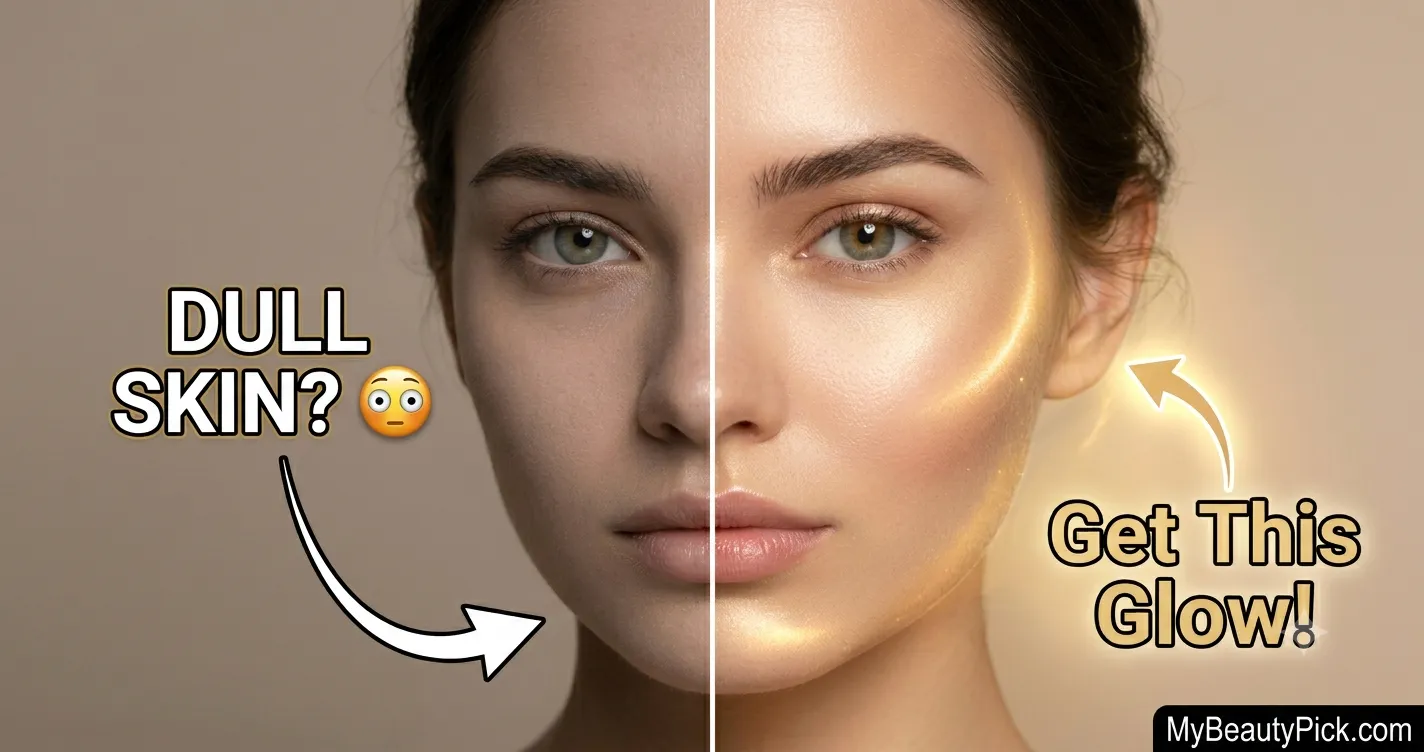
The lit-from-within look is genuinely different from standard coverage. It’s not about shimmer sitting on the skin surface — it’s about a glow that reads as something coming from inside the skin rather than applied on top of it. Getting this right takes a specific formula approach, and sometimes more than just the foundation itself. The products and techniques that create this effect are more specific than most glowing-skin guides suggest.
- True lit-from-within glow comes from fine, skin-like light-reflecting particles — not chunky shimmer or glitter, which reads as product rather than skin.
- Foundation drops let you control the glow level by mixing into your existing formula — one or two drops on the back of your hand before application adds radiance without committing to a fully luminous formula.
- Illuminating foundation works best on dry and normal skin. On oily skin, the particles amplify sebum and can look greasy rather than glowing.
- On tan and warm skin, warm golden or champagne illuminating particles are more flattering than cool silver shimmer, which can read as ashy.
- The skin prep underneath determines whether illuminating foundation looks glowing or just shiny.
Lit-From-Within vs Shimmer vs Dewy: What’s the Difference
These terms are used interchangeably online, but they produce noticeably different results on the face.
Lit-from-within is the most subtle and the most desirable. It uses very fine, micro-sized reflecting particles that scatter light in multiple directions, creating the impression of radiance coming from below the skin surface. The particles are too fine to read as individual sparkles or shimmer at normal viewing distance.
Shimmer uses larger, more visible reflecting particles. The glow is obvious and there’s usually visible sparkle in direct light. This tends to read as product rather than skin, especially on close examination or in natural light.
Dewy is primarily about moisture reflection — the glow comes from water-based ingredients holding moisture at the skin surface and creating a soft, wet-looking luminosity rather than true light reflection. Dewy reads as hydrated; illuminating reads as radiant.
The best illuminating foundations combine fine light-reflecting particles with some degree of hydration — the moisture gives the particles a smooth, even base to reflect from. Without good skin hydration underneath, illuminating particles can catch on dry texture and create uneven reflection.
Foundation Drops: What They Are and How to Use Them
What are foundation drops?
Foundation drops (also called illuminating drops or glow drops) are concentrated serum-like formulas containing light-reflecting particles and sometimes colour-correcting pigments. They’re designed to be mixed with your existing foundation on the back of your hand, or worn alone over moisturiser as a tinted glow base.
The appeal is control: one drop shifts a standard foundation into a radiant formula without committing to a fully luminous foundation. Two drops creates a visibly dewy-glowing result. Worn alone without foundation, they produce a light coverage glow that reads as very natural skin.
How to use them: pump your foundation onto the back of your hand. Add 1–2 drops of illuminating drops. Blend with your finger until combined. Apply as you would normal foundation. The glow is distributed evenly through the formula rather than sitting on top of the coverage.
What to avoid: adding too many drops (more than 3 in a pump of foundation changes the formula’s consistency and can affect how it holds), applying drops directly to oily areas, and using silver or very cool-toned drops on tan or warm skin where they can create an ashy tone.
Best Illuminating Foundation and Glow Products
Giorgio Armani Luminous Silk Foundation
The gold standard for natural skin-like luminosity. The Luminous Silk uses Armani’s micro-fil technology — extremely fine light-reflecting particles that scatter light rather than reflecting it in one direction. The result is the most convincing lit-from-within effect of any foundation tested: the glow reads as radiant skin rather than applied shimmer.
Coverage is light to medium. On tan skin in the warm shade range, the undertone accuracy is among the best available — the formula doesn’t shift orange under studio lighting the way many warm foundations do. The oil-free formula is worth noting: it achieves its glow through reflective technology rather than oils, which means it holds longer on combination skin than many purely dewy alternatives.
- Most convincing lit-from-within glow
- No visible shimmer particles at normal distance
- Oil-free yet luminous
- Good warm-undertone shade range
- Light-medium coverage only
- Premium price
- Not for oily skin without primer prep
Charlotte Tilbury Hollywood Flawless Filter
The Hollywood Flawless Filter is the most versatile illuminating product in this category because it works three ways: mixed with foundation to add glow, worn alone over moisturiser as a sheer tinted base, or pressed onto specific areas (cheekbones, brow bone, inner corners) as a targeted luminiser. The formula uses very fine warm-toned particles that read as skin-like on most complexions.
On tan skin, shades 4 (medium-warm) and 5 (medium-deep) are the most reliable matches. The warmth of the particles is flattering against warm melanin-rich skin — they add to the skin’s natural warmth rather than competing with it. The limitation: the glow is visible and obvious. It reads as intentionally glowing skin, not quiet luminosity. That’s the appeal for many people, but it’s worth knowing before you use it for a no-makeup-makeup look where subtle is the goal.
- Versatile — mix, wear alone, or use as luminiser
- Warm-toned particles suit tan complexions
- High-impact glow that photographs well
- Only 8 shades — limited range
- Glow is obvious, not subtle
- Can amplify shine on oily skin
NARS Natural Radiant Longwear Foundation
The NARS Natural Radiant sits between matte and luminous — it’s described as radiant-matte, meaning it reflects light without producing visible glow. On dry and normal skin this is the ideal: polished, healthy-looking coverage that reads as good skin rather than either flat matte or obviously dewy. On combination skin it holds reasonably well without the shimmer that a fully illuminating formula would add to oily zones.
The 40-shade range has good depth coverage and warm-undertone options that hold their undertone well throughout the day. The medium-full coverage level means it does more corrective work than the lighter illuminating formulas while maintaining the healthy skin appearance.
- Medium-full coverage with natural radiance
- Holds well on dry and combination skin
- 40 shades with accurate warm-undertone options
- Sits between matte and luminous — versatile finish
- Not a full glow — more polished than illuminating
- Can look flat under low lighting
- Not enough shine control for very oily skin
Laura Mercier Tinted Moisturiser Light Revealer SPF 25
For everyday illuminating foundation wear on dry and normal skin, the Light Revealer is the most comfortable and wearable option. The formula is more tinted moisturiser than foundation in character — it sits on the skin like skincare and gives the impression that good skin is doing the work rather than coverage. The light-reflecting particles are fine and warm-toned, creating a soft luminosity that reads as healthy skin in natural light.
The SPF 25 is a practical addition, though still worth backing with a separate SPF in skincare. Coverage is genuinely sheer to light and can’t be built significantly — this isn’t a formula for covering pigmentation or redness.
- Most comfortable, skin-like wear of the group
- SPF 25 included
- Warm luminosity that suits tan skin
- Best for a natural, undetectable glow
- Sheer coverage only — not for significant correction
- Only 18 shades
- Not suitable for oily skin
How to Apply Illuminating Foundation for the Best Result
Illuminating foundation requires slightly different prep and application than matte or satin formulas because the reflective particles need an even, smooth surface to work from.
- Skincare prep is more important here than with any other finish. The light-reflecting particles in an illuminating formula catch on dry texture and uneven skin, creating patchy reflection rather than even glow. Hydrating serum followed by moisturiser, both fully absorbed, give the particles a smooth surface to work from.
- Fingers or a damp sponge, not a brush. Brushes can displace the fine reflecting particles and create uneven luminosity. A damp sponge pressed gently distributes them more evenly. Fingers work on lightweight formulas where the warmth helps the product blend smoothly.
- Thin layers, not one heavy application. Illuminating foundation applied too thickly can look wet rather than glowing. A thin layer that’s been built where needed reads more like skin than a heavy single application.
- No powder on glowing areas. Powder kills the glow. Set the T-zone only if you have combination skin, and use setting spray on the cheeks to lock the luminosity in place without dulling it.
Warm golden illuminating particles suit tan and warm skin tones far better than cool silver or white shimmer. On warm complexions, cool-toned illuminating particles create contrast that reads as ashy rather than radiant. Look for formulas described as golden, champagne, or warm-luminous rather than silver, pearl, or icy. The Hollywood Flawless Filter in the warm shades and the Luminous Silk are both warm-biased in their reflective qualities, making them reliable choices for tan skin.
When Illuminating Foundation Doesn’t Work
Not every skin type or situation suits an illuminating formula, and knowing when to avoid it saves you from the wrong result:
- Very oily skin. The particles interact with active sebum and amplify it — the result looks greasy rather than glowing. On oily skin that wants some luminosity, illuminating drops applied only to the cheeks alongside a satin foundation everywhere gives a more controlled result.
- Large pores or textured skin. Fine illuminating particles can sit in open pores and catch light in a way that emphasises texture rather than smoothing it. A primer that fills texture before the illuminating foundation goes on prevents this.
- Flash photography at events. Very illuminating formulas can overexpose in flash photography, particularly on tan and deeper skin tones where the contrast of reflected light against the skin is more pronounced. For events with significant flash photography, a satin or radiant-matte finish is more reliable than a fully illuminating formula.
On tan and deeper skin tones, very illuminating foundation can cause overexposed white patches in flash photography on the forehead, nose tip, and cheekbones. If you’re wearing an illuminating formula to an event where photos will be taken, avoid adding highlight on top of the illuminating foundation. The foundation’s own particles provide enough reflection — adding more product on top of that in high-reflection areas creates blown-out patches in photographs.
Illuminating Foundation Comparison
| Product | Glow Level | Coverage | Best For | Limitation |
|---|---|---|---|---|
| Armani Luminous Silk | Subtle, skin-like | Light-Medium | Natural glow, daily wear, normal-dry skin | Light coverage only |
| Charlotte Tilbury Flawless Filter | High, obvious | Sheer (alone) / varies (mixed) | Controlled glow addition to any formula | Only 8 shades |
| NARS Natural Radiant | Moderate, polished | Medium-Full | Coverage + glow, combination skin | More polish than true glow |
| Laura Mercier Light Revealer | Soft, warm | Sheer-Light | Undetectable everyday glow with SPF | Sheer only, not buildable |
Frequently Asked Questions
What is an illuminating foundation?
An illuminating foundation contains fine light-reflecting particles that create a glowing, radiant appearance on the skin. The best illuminating foundations produce a lit-from-within effect that reads as healthy, hydrated skin rather than applied shimmer. The particles are usually micro-fine mica or synthetic luminescent ingredients that scatter light softly rather than reflecting it in one visible direction. They work best on dry and normal skin — on oily skin the luminosity can amplify sebum and read as greasy rather than glowing.
What are foundation drops and how do you use them?
Foundation drops (also called glow drops or illuminating drops) are concentrated serum-like formulas that can be mixed into any existing foundation to add radiance, or used alone over moisturiser for a tinted glow effect. Add 1–2 drops to your foundation on the back of your hand before application and blend together before applying to the face. They let you control the glow level without committing to a fully luminous foundation formula.
Will illuminating foundation make oily skin look greasy?
On genuinely oily skin, yes — a fully illuminating or dewy foundation can amplify shine and look greasy by midday. The light-reflecting particles interact with surface sebum in a way that produces too much reflection. For oily skin that wants some glow, a satin foundation with illuminating drops applied only to the cheeks and temples, not the T-zone, gives a more controlled result.
Does illuminating foundation look good on tan skin?
Illuminating foundation on tan and warm skin tones produces a particularly warm, rich glow because the light-reflecting particles interact with the warmth of melanin-rich skin. Golden or champagne particles work better than cool silver or white shimmer on tan skin — the warmth of the particles complements rather than contrasts the complexion. Look for formulas described as golden, warm, or champagne-lit rather than cool, silver, or icy.
What is the difference between illuminating and dewy foundation?
Both create a glowing finish but through different mechanisms. Dewy foundation uses humectants and water-based ingredients to create a soft, hydrated glow from moisture. Illuminating foundation uses light-reflecting particles to bounce light off the skin surface. Dewy reads as hydrated and soft; illuminating reads as radiant and lit. Some formulas combine both — these are often labelled luminous, radiant, or skin-illuminating and produce the most convincing lit-from-within effect.