

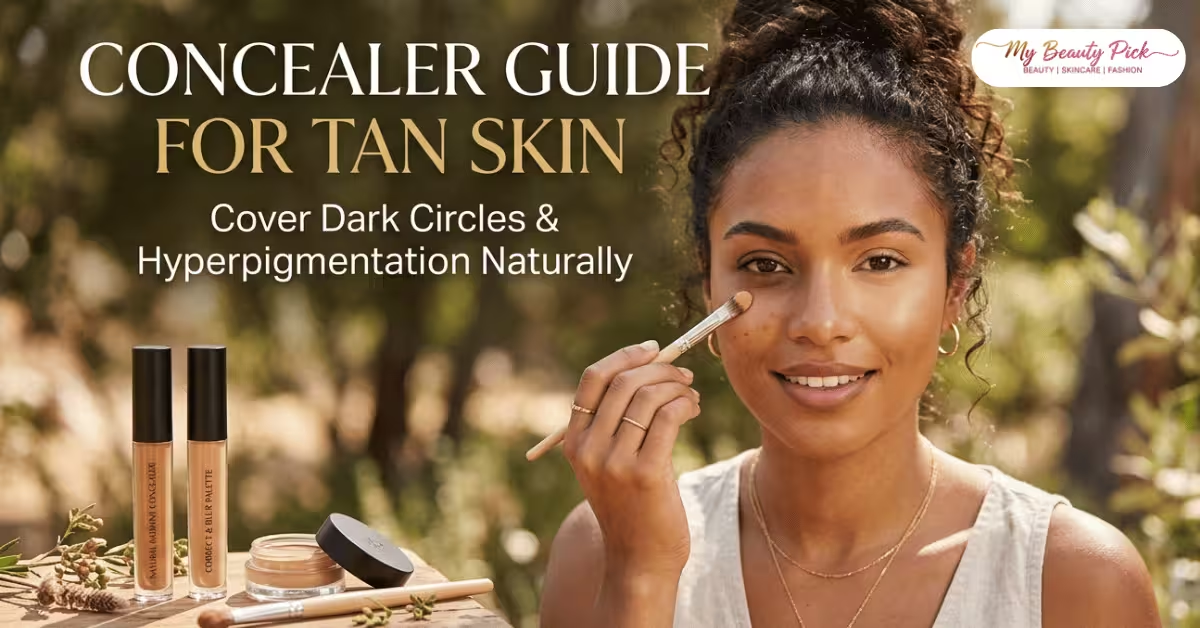
If your concealer turns grey under your eyes by lunchtime, or your dark spots still peek through after three layers of product, the problem usually isn’t your skin. It’s the concealer formula, shade, and color correcting routine you’re using. This concealer guide for tan skin walks through exactly how to fix dark circles, fade hyperpigmentation, and color correct without ending up with that flat, ashy look that so many concealers leave behind on warmer complexions.
Tan skin has its own undertone behavior, oxidation pattern, and texture needs, which means the concealer rules made for fair or deep skin often don’t translate well. Below, we’ll break down undertones, color correctors, shade selection, application technique, and product picks that actually work.
How to Choose Concealer for Tan Skin
Quick Answer
The best concealer for tan skin matches your warm, golden, or olive undertone rather than just your skin’s depth. Choose a concealer one shade lighter than your foundation for under-eye brightening, and a true match for spot concealing on hyperpigmentation.
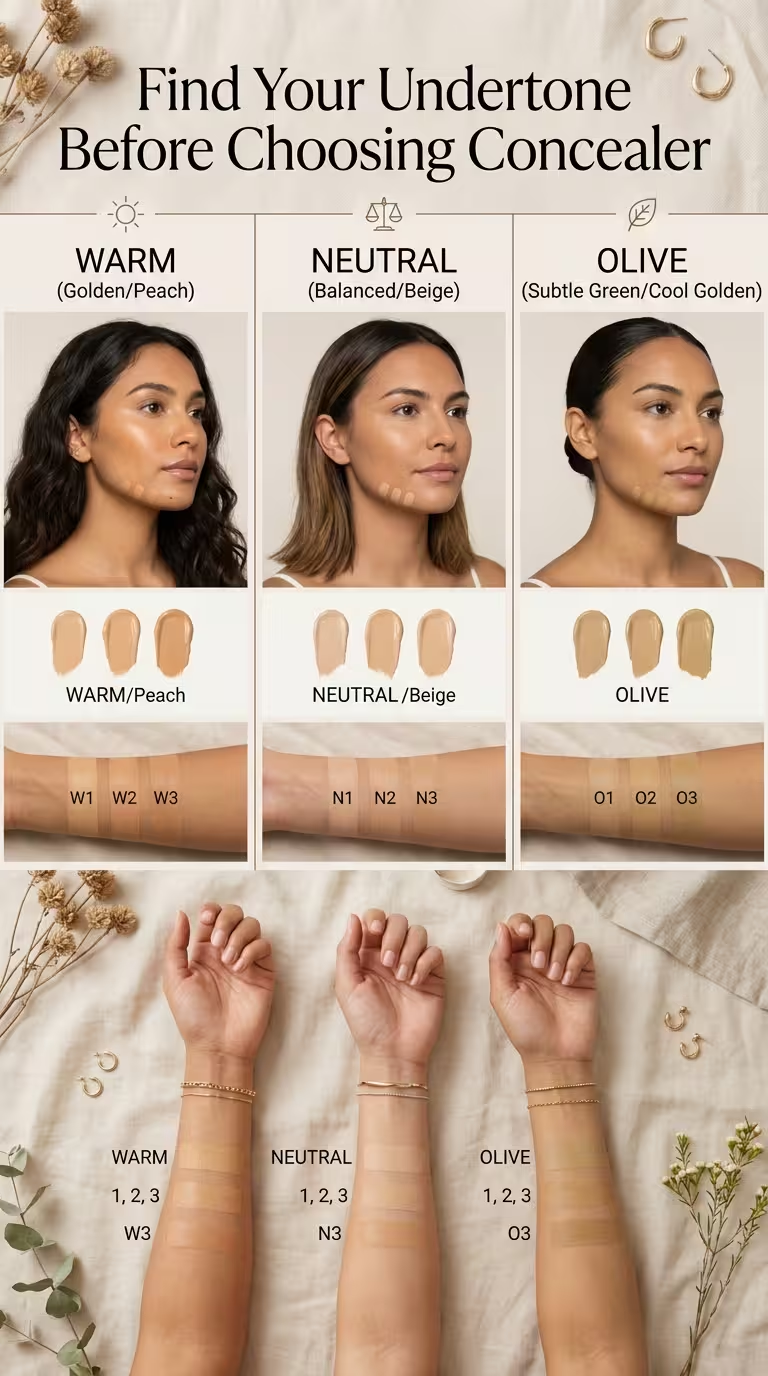
The biggest mistake people with tan skin make is picking a concealer based on depth alone. Two concealers can look identical in the bottle but read completely differently on tan skin because of undertone. A concealer with a pink or rosy base will often turn ashy or greyish on golden or olive skin, while a concealer with too much yellow can look heavy and cakey on cooler tan tones.
Before choosing a concealer, it helps to know your undertone family. If you haven’t already, our guide to undertones for tan skin breaks down how to identify whether you lean warm, neutral, or olive, which directly affects which concealer base will blend seamlessly.
Concealer Shade Selection Guide for Tan Skin
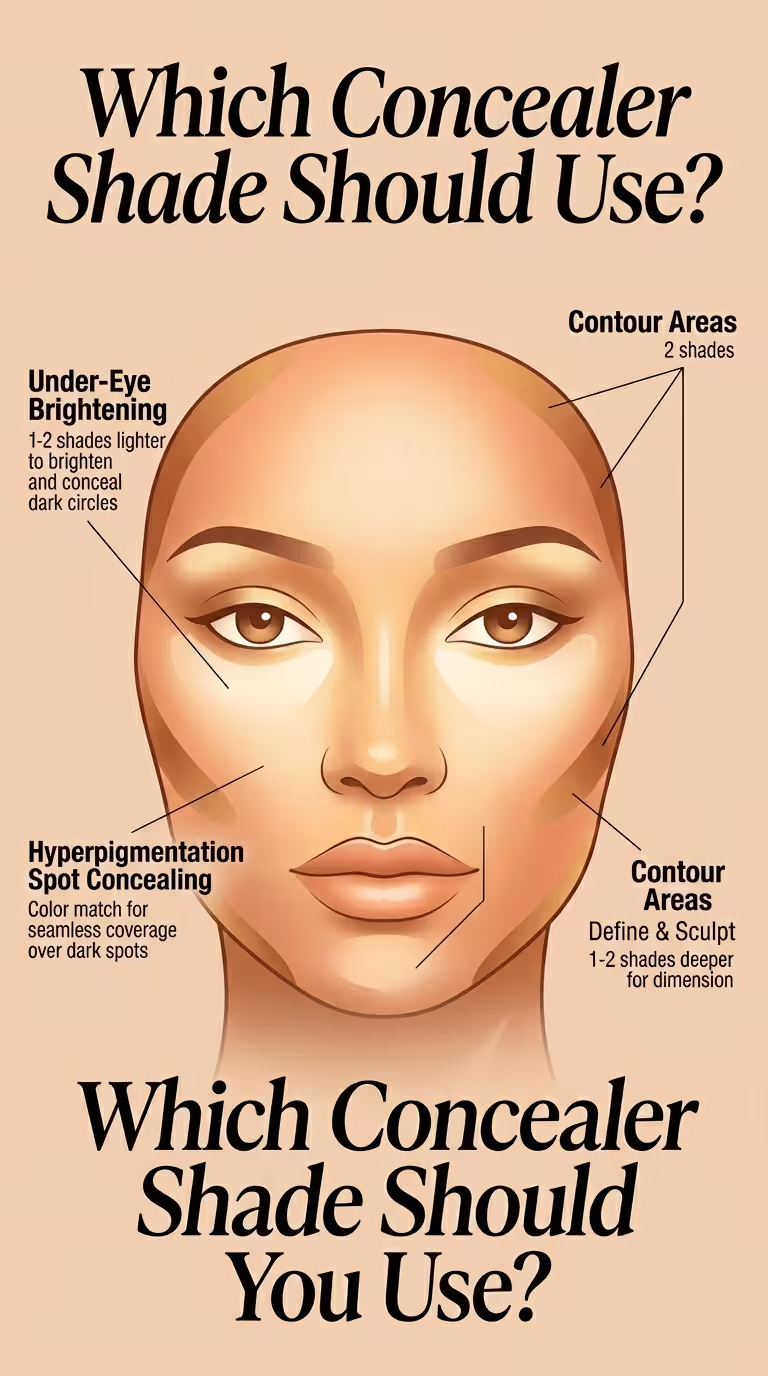
| Use Case | Shade Recommendation | Why It Works |
|---|---|---|
| Under-eye brightening | 1 to 2 shades lighter than foundation | Lifts the eye area without creating a harsh contrast line |
| Spot concealing (hyperpigmentation) | Exact match to surrounding skin | Blends the spot away rather than highlighting it |
| Contouring or shading | 1 to 2 shades deeper, neutral undertone | Creates dimension without looking muddy on tan skin |
Once you’ve narrowed down the shade range, the formula matters just as much. Tan skin tends to oxidize, which means a concealer that looks perfect in the bottle can shift darker or warmer within an hour of wear. This is the same reaction we covered in our piece on why foundation oxidizes on tan skin, and concealer behaves the same way. Look for oxidation-resistant or longwear formulas, and always test the shade after it’s had a few minutes to settle into your skin.
Color Correcting for Tan Skin
Quick Answer
Color correcting for tan skin works by neutralizing discoloration before concealer is applied. Orange and peach correctors cancel out blue-purple dark circles, while green correctors calm redness from blemishes or irritation.
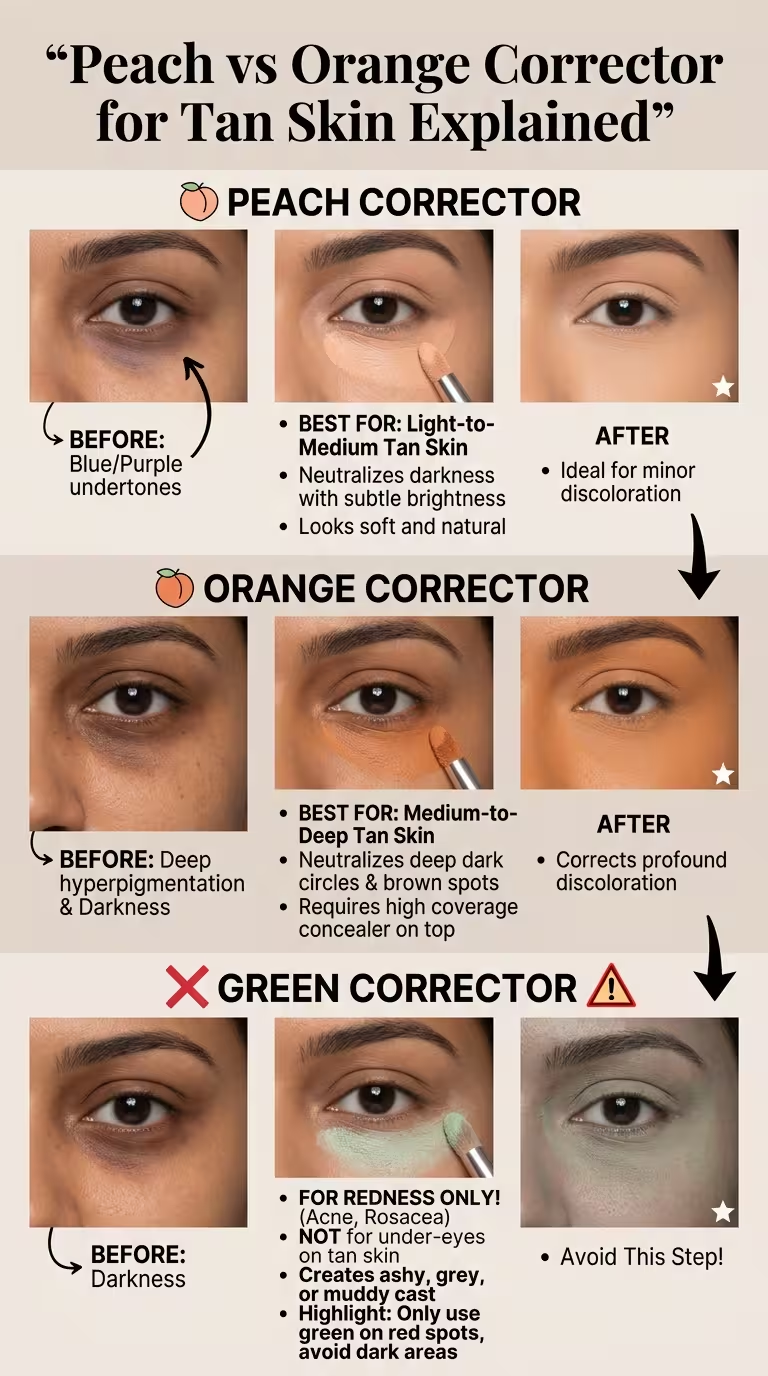
Color correcting is the step most people skip, and it’s exactly why concealer alone often isn’t enough to fully cover dark circles or stubborn hyperpigmentation on tan skin. A color corrector works on the color wheel principle: it cancels out the opposite tone causing the discoloration before concealer goes on top to even out the texture and finish.
What Color Corrector Is Best for Tan Skin?
Orange and peach correctors are the most reliable choices for tan skin, particularly for under-eye darkness. Purple correctors, which are often recommended for fair skin to brighten yellow tones, tend to create a chalky or ashy effect on tan skin because they don’t have enough warmth to balance the deeper melanin underneath.
| Corrector Shade | Best For | Notes for Tan Skin |
|---|---|---|
| Peach Corrector | Mild to moderate dark circles, light tan to medium skin | Softer warmth, easier to blend, less risk of looking heavy |
| Orange Corrector | Deep, stubborn dark circles, deeper tan and golden skin | More pigment, neutralizes intense blue-purple tones effectively |
| Green Corrector | Redness from blemishes, irritation, or rosacea | Use sparingly, only on the affected spot, not all over |
| Purple Corrector | Brightening dullness on fair to light skin | Generally not recommended for tan skin, can look ashy |
Color Correcting Scenarios for Tan Skin
Color correcting isn’t one-size-fits-all, and the right approach depends on both your undertone and the type of discoloration you’re dealing with. Here are a few real-life scenarios:
- Tan skin with blue-purple dark circles: Apply a thin layer of orange or peach corrector directly under the eyes, focusing on the inner corner where darkness is usually deepest, then pat gently with your fingertip to warm and blend it in.
- Golden undertones with hyperpigmentation: Use a concealer that’s an exact match to your surrounding skin rather than a color corrector, since most hyperpigmentation on golden undertones is brown rather than blue or purple, and a true match blends it away more naturally.
- Olive skin dealing with under-eye darkness: A peach corrector with a slightly muted, less vibrant tone tends to work best, since olive undertones have a green-grey base that can clash with overly bright orange shades.
Best Concealer Rules for Tan Skin
- Match your undertone first, not just your skin depth
- Use orange or peach correctors when dealing with blue-purple dark circles
- Brighten only one to two shades lighter under the eyes
- Build coverage in thin layers rather than one heavy application
- Set with a powder that matches your undertone to avoid a grey cast
Concealer for Dark Circles on Tan Skin
Quick Answer
To cover dark circles on tan skin, apply a peach or orange corrector first, then layer a brightening concealer one to two shades lighter than your foundation in a triangle shape under the eye, blending with light tapping motions.
Dark circles on tan skin are often a mix of pigmentation and visible blood vessels showing through thinner under-eye skin, which is why concealer alone tends to fall short. The triangle method remains one of the most effective techniques: instead of just dabbing concealer in a small crescent, extend it into a triangle shape with the base along the lower lash line and the point reaching toward the top of the cheekbone. This brightens the entire under-eye area and creates a soft lifting effect.
Apply your color corrector first in a thin layer, then add your concealer on top using a damp sponge or your fingertip. Press rather than drag, which helps the product melt into the skin without disturbing the corrector underneath. Build slowly, checking your coverage after each layer rather than applying everything at once.
Concealer for Hyperpigmentation on Tan Skin
Quick Answer
For hyperpigmentation on tan skin, use a concealer that exactly matches your skin tone, apply it directly onto the spot with a small brush, and build coverage in thin layers, setting each layer before adding the next.
Defining Hyperpigmentation
Hyperpigmentation refers to patches of skin that appear darker than the surrounding area, often caused by sun exposure, acne marks, or hormonal changes. On tan skin, hyperpigmentation tends to appear as brown or reddish-brown patches rather than the purple-grey tones common with under-eye darkness, which is why a different concealing approach is needed.
Unlike dark circles, hyperpigmentation usually doesn’t need color correction. Instead, the goal is to match the concealer as closely as possible to your natural skin tone so the spot blends in rather than standing out as a lighter or darker patch. Using a brightening concealer here, the kind meant for under-eyes, often backfires and creates a noticeable light spot.
Building Coverage Without Looking Cakey
The key to covering hyperpigmentation on tan skin without a cakey finish is patience. Apply a small amount directly onto the spot using a precise concealer brush, then pat gently with a damp sponge to blend the edges into your foundation. Let it set for a moment before deciding if you need another layer. Two or three thin layers built up slowly will always look more natural than one thick application, and they’re far less likely to crease or settle into fine lines as the day goes on.
Pairing this routine with skincare that targets pigmentation over time can also reduce how much coverage you need day to day. If brightening your complexion long-term is a goal, our skincare ingredients guide covers what to look for before makeup application.
Cream vs Liquid vs Stick Concealer for Tan Skin
Formula choice plays a bigger role for tan skin than many people realize, mostly because of how each texture interacts with oxidation and natural oils.
| Formula | Best For | Considerations for Tan Skin |
|---|---|---|
| Liquid Concealer | Under-eye brightening, lightweight coverage | Easiest to blend and build, lower oxidation risk in longwear formulas |
| Cream Concealer | Hyperpigmentation, fuller coverage areas | Richer pigment payoff, but can settle into lines if not set properly |
| Stick Concealer | Quick spot concealing, on-the-go touch-ups | Convenient, but can drag on tan skin if too dry, warm slightly before applying |
How to Prep Tan Skin Before Applying Concealer
Concealer performs best on a well-prepped base. Skin that’s dehydrated or unevenly moisturized will cause concealer to grab onto dry patches, emphasizing texture rather than smoothing it out. If your foundation already tends to look patchy, the issue often starts before concealer is even applied. Our guide on how to prep tan skin for a flawless foundation finish covers the full routine, but the short version is to moisturize thoroughly, let products absorb fully, and avoid applying concealer over freshly applied heavy creams that haven’t settled.
Setting Concealer on Tan Skin Without a Grey Cast
Quick Answer
The best setting powder for concealer on tan skin is a translucent or lightly tinted powder formulated without too much white or grey pigment, applied with a small amount pressed gently into the under-eye area.
Setting powder is where a lot of concealer routines go wrong on tan skin. Many translucent powders contain enough white pigment to create a visible cast once they mix with the warmth of a concealer and the natural oils of the skin, especially as the day goes on. To avoid this, look for setting powders specifically described as designed for deeper or warmer skin tones, or those with a slight yellow or banana undertone rather than a stark white base.
Apply setting powder with a small, fluffy brush and press it gently into the skin rather than swiping, which can disturb the concealer underneath and pull product into fine lines.
Best Concealer for Tan Skin: Product Picks
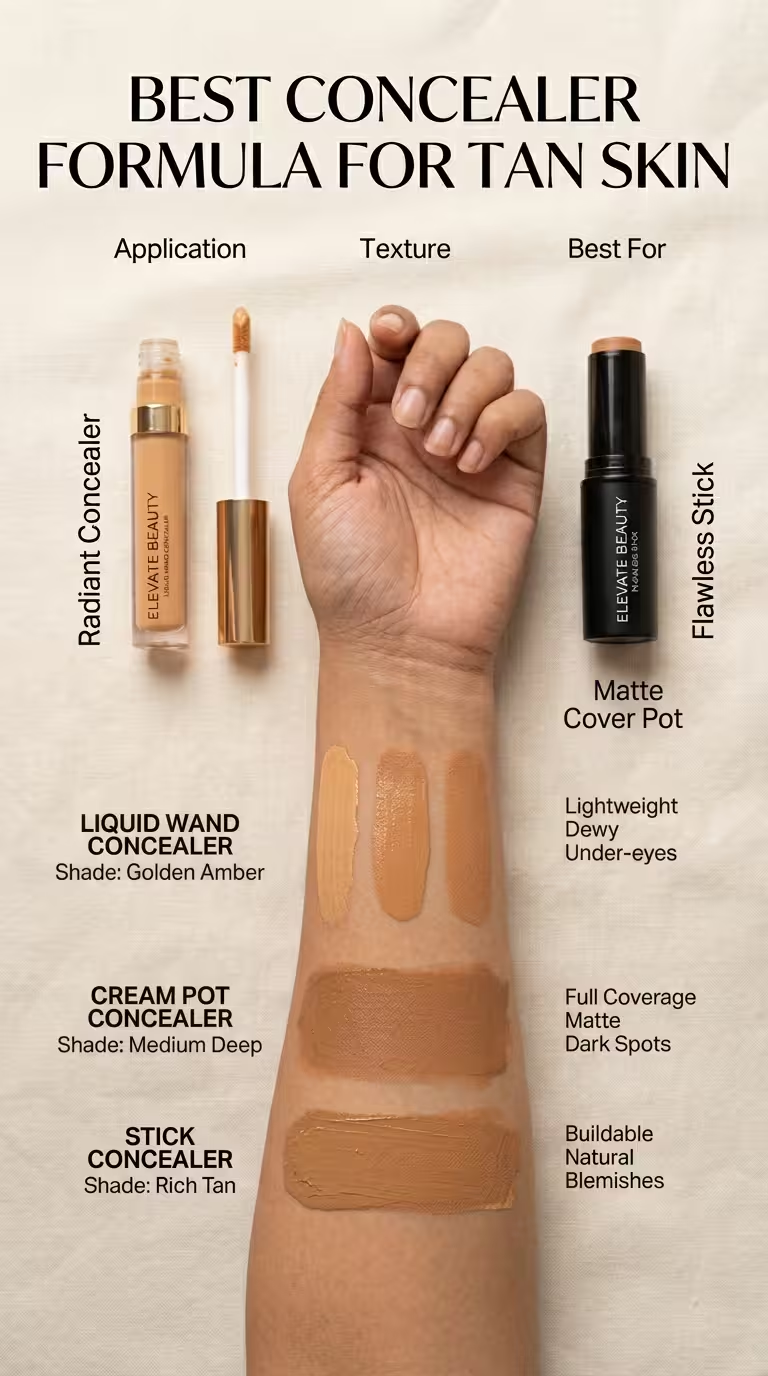
A drugstore staple known for its extended warm and golden shade range, with a buildable medium coverage that resists oxidation throughout the day. Ideal for everyday under-eye brightening on tan skin.
A multi-shade corrector palette offering both peach and orange tones, allowing you to customize the intensity based on how deep your dark circles are. Works well layered under a brightening concealer.
A richly pigmented cream formula with true-to-tone golden and caramel shades, designed for spot concealing without the need for heavy layering. Best applied with a small brush and blended with a damp sponge.
A travel-friendly stick formula with a soft, creamy texture that warms quickly on contact with skin, making it easy to blend for quick touch-ups on tan and caramel tones.
A lightly tinted setting powder with a warm yellow base instead of stark white, designed to lock concealer in place without leaving a grey or chalky finish on tan skin.
Common Concealer Mistakes on Tan Skin
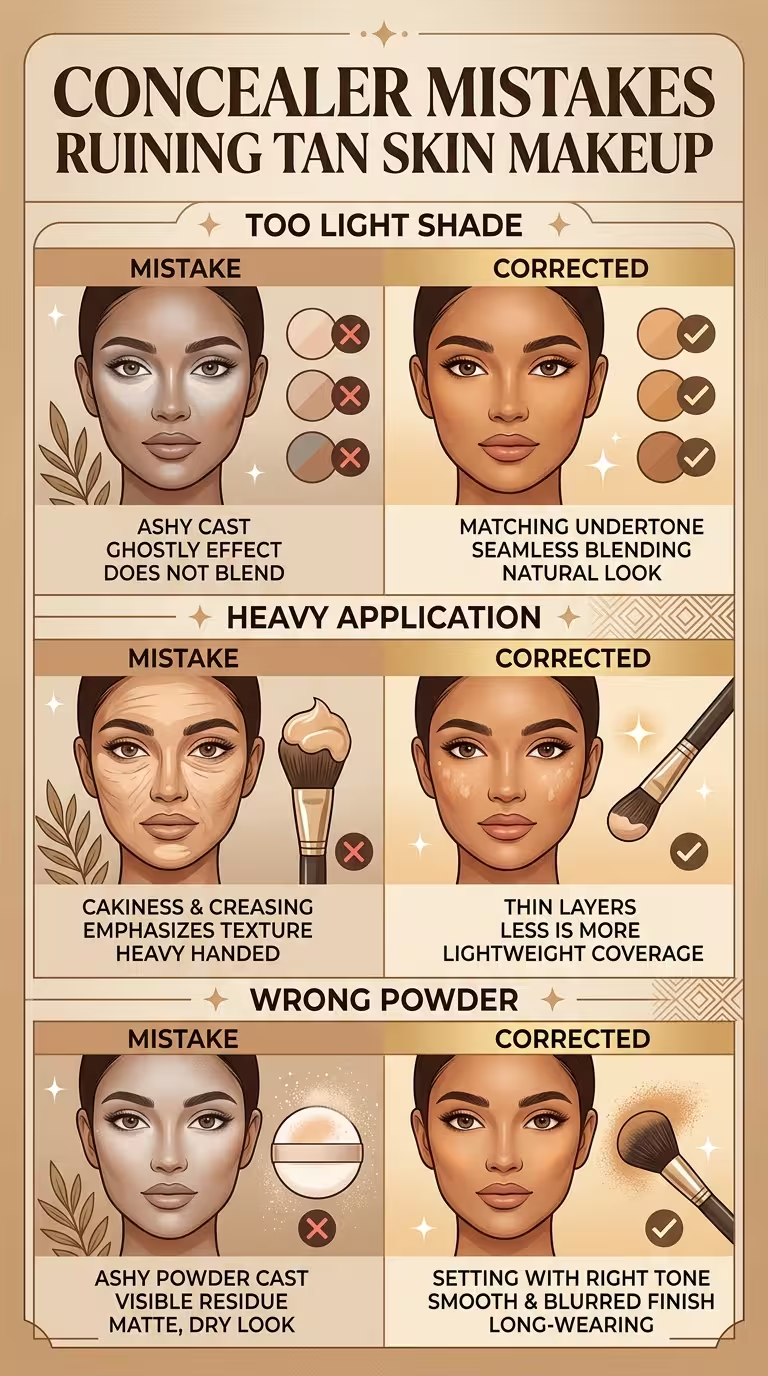
- Going too light: Choosing a concealer several shades lighter than your skin in an attempt to brighten can create a harsh, ashy contrast instead of a natural glow.
- Skipping color correction: Relying on concealer alone to cover deep dark circles often results in needing several heavy layers, which can look cakey and still not fully neutralize the discoloration.
- Using the wrong setting powder: A powder with too much white pigment can mix with concealer and oxidize into a grey or ashy finish within a few hours.
- Applying too much at once: Heavy, single-layer application is more likely to crease into fine lines than building coverage gradually in thin layers.
Related Reading
- How to Find Your Perfect Foundation Shade for Tan Skin
- Undertones Explained: Warm vs. Neutral vs. Cool for Tan Complexions
- The Ultimate Foundation Shade Guide for Caramel & Golden Skin Tones
- Why Your Foundation Oxidizes on Tan Skin (and How to Fix It)
- Blush, Bronzer & Highlight Shades That Work Best on Tan Skin
- How to Prep Tan Skin for a Flawless Foundation Finish
Frequently Asked Questions
Does concealer need to match foundation or skin tone?
For spot concealing on hyperpigmentation, concealer should match your natural skin tone. For under-eye brightening, it can be one to two shades lighter than your foundation to create a soft highlighting effect.
Should concealer be lighter than foundation?
Only for brightening areas like under the eyes, and only by one to two shades. For covering dark spots or hyperpigmentation, a concealer that’s too light will create a noticeable lighter patch rather than blending in.
What color corrector works best for tan skin?
Peach and orange correctors work best for tan skin, particularly for neutralizing blue-purple dark circles. Green correctors can be used sparingly for redness, while purple correctors are generally not recommended as they tend to look ashy on tan tones.
Why does my concealer turn grey?
Concealer often turns grey on tan skin due to oxidation, an undertone mismatch, or a setting powder with too much white pigment. Choosing a warm-toned, oxidation-resistant concealer and a banana or lightly tinted setting powder can help prevent this.
Can I skip color corrector?
You can skip color corrector for mild discoloration or hyperpigmentation, where a true-match concealer is often enough. For deeper blue-purple dark circles, skipping color correction usually means needing more concealer layers to achieve the same result.
Is peach or orange corrector better for dark circles?
Peach corrector works well for mild to moderate dark circles on lighter tan skin, while orange corrector offers more pigment and is better suited for deeper, more stubborn dark circles on medium to deep tan and golden skin tones.
How do I conceal hyperpigmentation on tan skin?
Use a concealer that exactly matches your skin tone, apply it directly to the spot with a small brush, and build coverage in thin layers, allowing each layer to set before adding more for a natural, blended finish.
What setting powder works best with concealer on tan skin?
A translucent or lightly tinted setting powder with a warm yellow or banana undertone works best, as it locks concealer in place without adding the white pigment that can lead to a grey or ashy cast on tan skin.
Final Takeaway
This concealer guide for tan skin comes down to a few core principles: get your undertone right before anything else, use color correcting strategically for dark circles, and rely on true-match shades for hyperpigmentation rather than brightening concealers. The best concealer results for tan skin come from matching undertones correctly, using color correction when needed, and building coverage in thin layers rather than relying on a lighter concealer alone.
With the right combination of corrector, concealer, and setting powder, tan skin can look bright, even, and completely natural, without a trace of grey or ashy cast.