

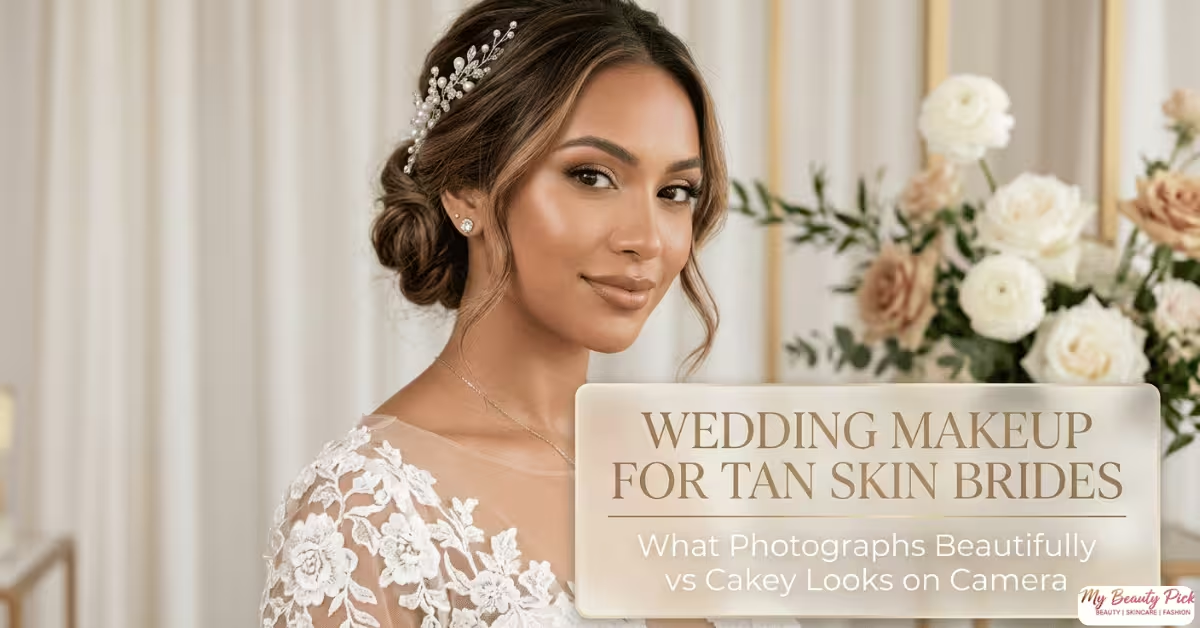
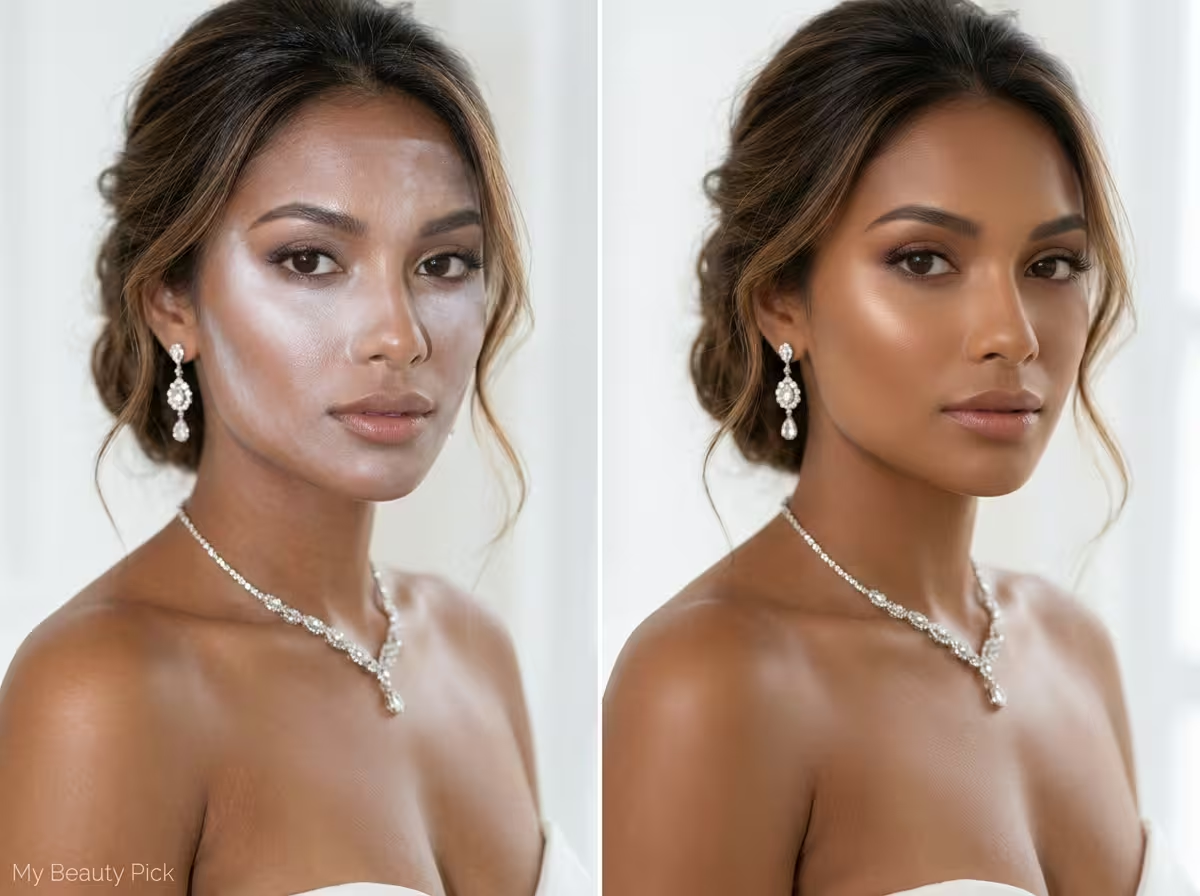
Your makeup looked perfect in the mirror. The coverage was flawless, the contour was sharp, and the lip color felt just right. Then the photographer sent the first gallery — and something had gone wrong. The foundation looked cakey, the under-eyes were ghostly white, and every warm glow you felt in person had disappeared into the flash.
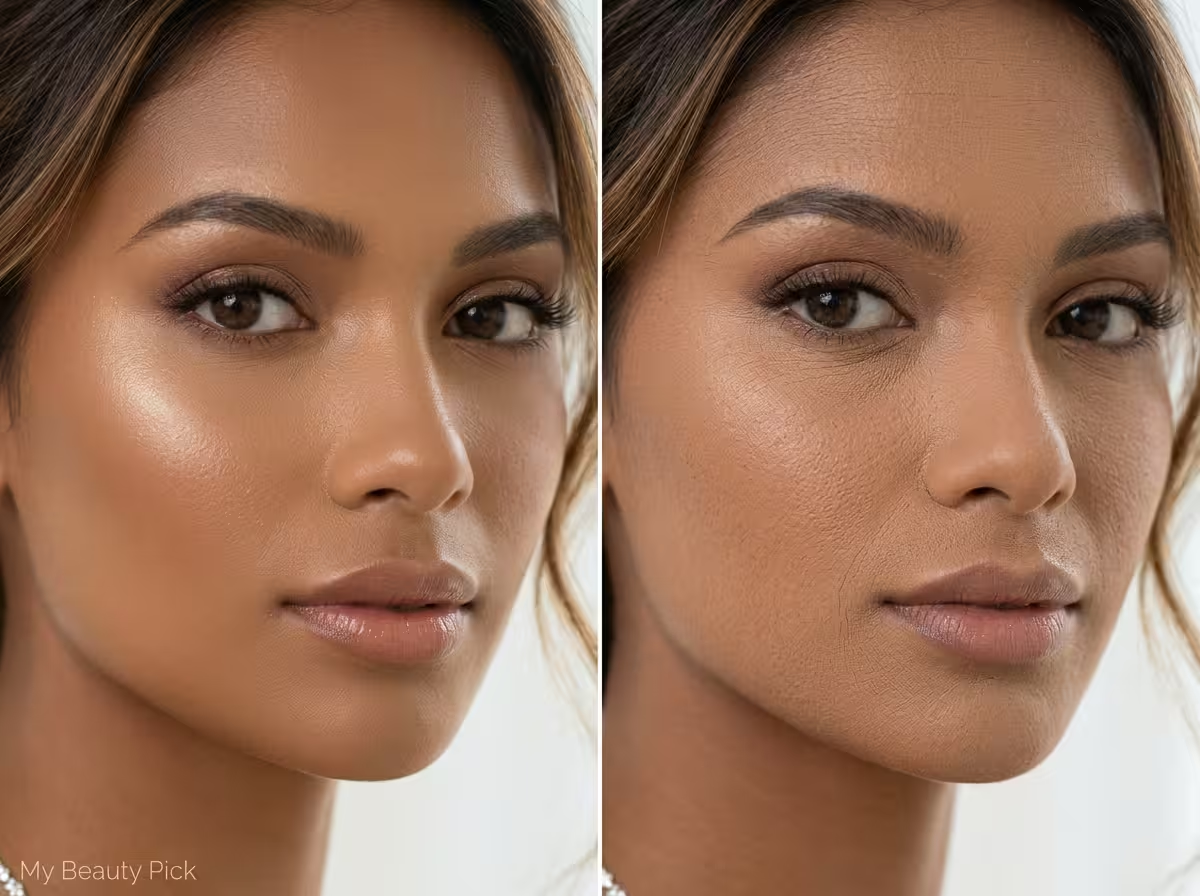
This is one of the most common bridal makeup disappointments for tan-skinned brides, and it is almost always preventable. Wedding makeup for tan skin brides has specific challenges that general bridal guides do not address: undertone mismatch that reads orange or ashy in flash, setting powder that causes flashback, and heavy coverage that photographs as texture rather than skin.
This guide breaks down exactly what photographs beautifully on tan skin at weddings, what causes the cakey camera look, and how to build a bridal face that holds through every lighting condition from indoor ceremony to outdoor sunset portraits.
Understanding Wedding Makeup for Tan Skin Brides and Camera Photography
Tan skin behaves differently in photography than fair or deep skin tones do, and understanding why is the foundation of every good decision in a bridal makeup look.
Eumelanin — the dominant pigment in tan skin — absorbs light more broadly than the pheomelanin found in lighter complexions. This means tan skin naturally absorbs camera flash rather than reflecting it, which can make the face appear flatter or slightly darker in photos than it looks in person. At the same time, if the wrong products are layered on top, they can over-reflect and cause a white cast or grey tone that reads as completely disconnected from the skin’s natural warmth.
Key Insight
Tan skin needs warmth and dimension in photos, not heavy powder coverage or grey-based contour. The goal is skin that absorbs and reflects light naturally — not a mask that sits on top of it.
Indoor wedding lighting — particularly warm yellow or candle-toned light — can neutralize the warmth in tan skin makeup and make undertone mismatches disappear, which is why makeup that looks fine in the venue can still photograph poorly once flash hits it. Outdoor light is more accurate but can overexpose warm tones or create shadows that flatten dimension on tan skin. The most reliable approach is designing makeup that holds across multiple light environments rather than optimizing for one.
Undertone matters more than shade depth in bridal photography. A tan skin bride using a foundation that is even half a step too cool or too warm will read immediately on camera — particularly in close-up portrait shots — in a way that does not always show up in regular daylight viewing. The undertone calibration has to be right before anything else is added.
Foundation That Photographs Beautifully vs Cakey Wedding Makeup for Tan Skin
Foundation is where most bridal makeup mistakes happen on tan skin. The instinct is to go heavier on coverage for a wedding, but on camera, heavy foundation reads as texture. The brides whose skin looks flawless in wedding photos are almost always wearing less than you would expect — built in precise, thin layers rather than applied all at once.
Photographs Beautifully
- Medium coverage, skin-like satin or dewy finish foundation
- Warm or neutral-warm undertone match for tan skin (golden, olive-warm, caramel)
- Built in two to three thin layers rather than one heavy coat
- Hydrating primer as base to prevent foundation sitting in texture
- SPF-free formula or chemical SPF only — no titanium dioxide
- Silicone-based long-wear formula for high-sebum tan skin to prevent oxidation
Looks Cakey on Camera
- Heavy full-coverage matte foundation applied all at once
- Wrong undertone — too pink, grey, or neutral-cool on warm tan skin
- SPF foundations with titanium dioxide or zinc oxide (cause white flashback)
- Over-powdering after an already matte formula
- Foundation applied to dry, unprepped skin — settles into texture within hours
Pro Tip
Apply foundation in two to three thin passes, letting each layer set before adding more. A damp sponge pressed into the skin rather than swept gives skin-like coverage that reads as real skin on camera rather than a product layer sitting on top.
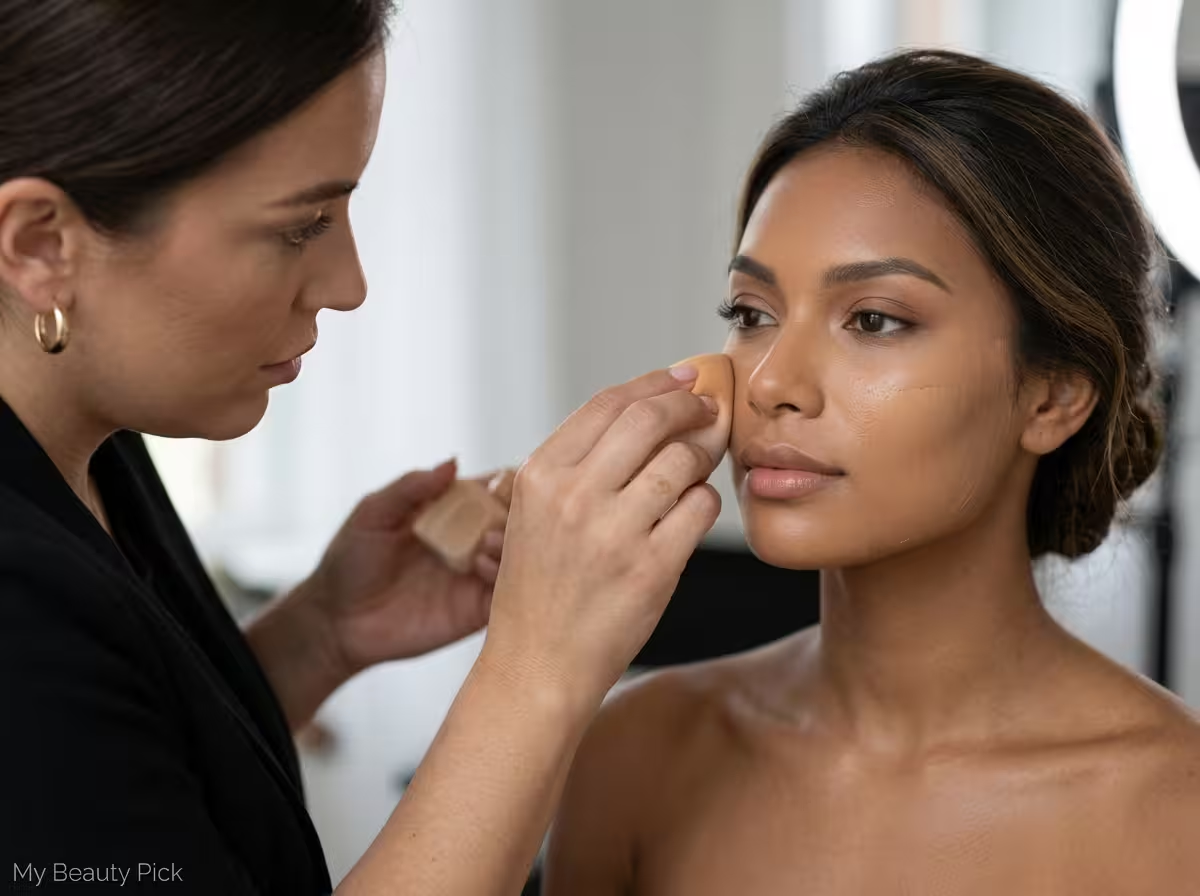
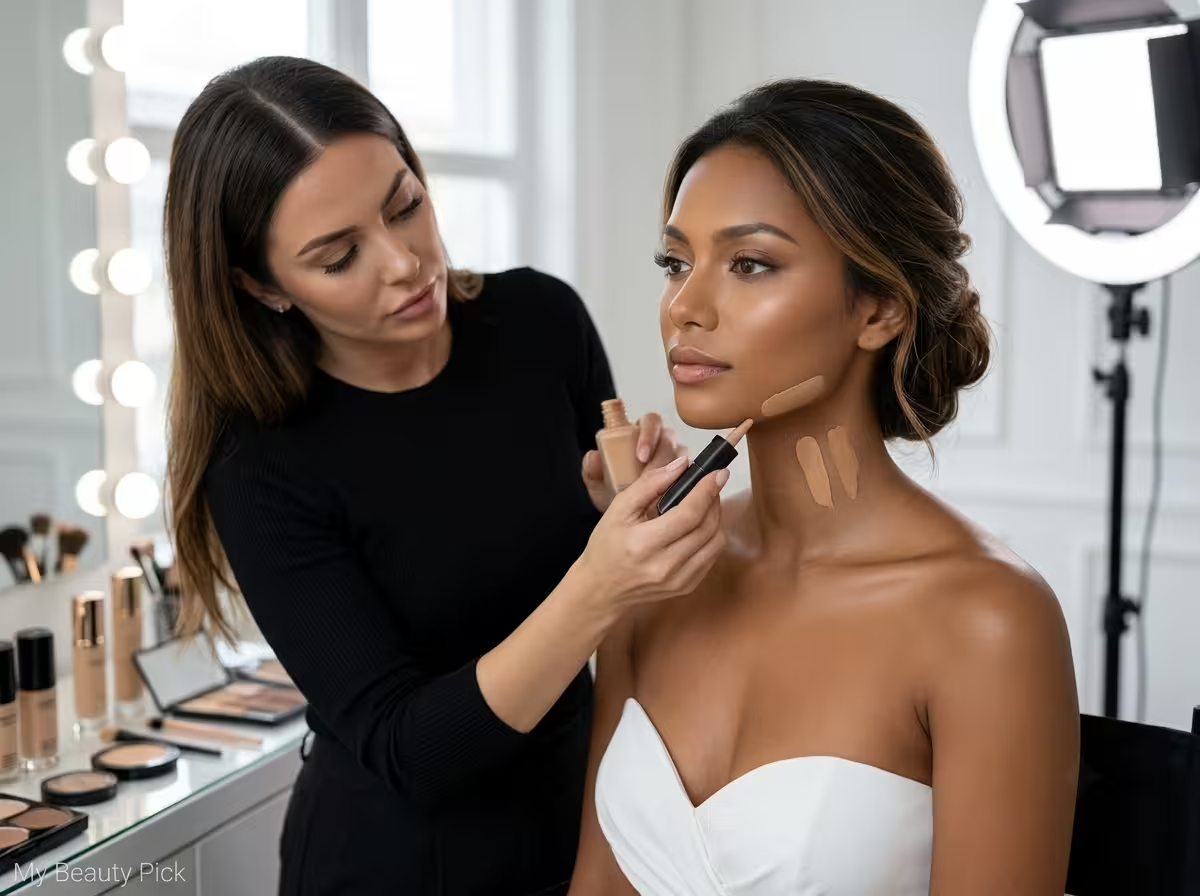
For tan skin brides specifically, testing the foundation a week before the wedding in natural daylight, indoor lighting, and under flash is not optional — it is the most important step in the entire prep process. Oxidation on tan skin means a shade that looks right at 10am can shift orange by the ceremony. Go half a shade lighter than your exact match if oxidation is a known issue. Our full breakdown of why foundation oxidizes on tan skin explains the chemistry behind this in detail.
Concealer and Under-Eye Brightening for Tan Skin Bridal Makeup
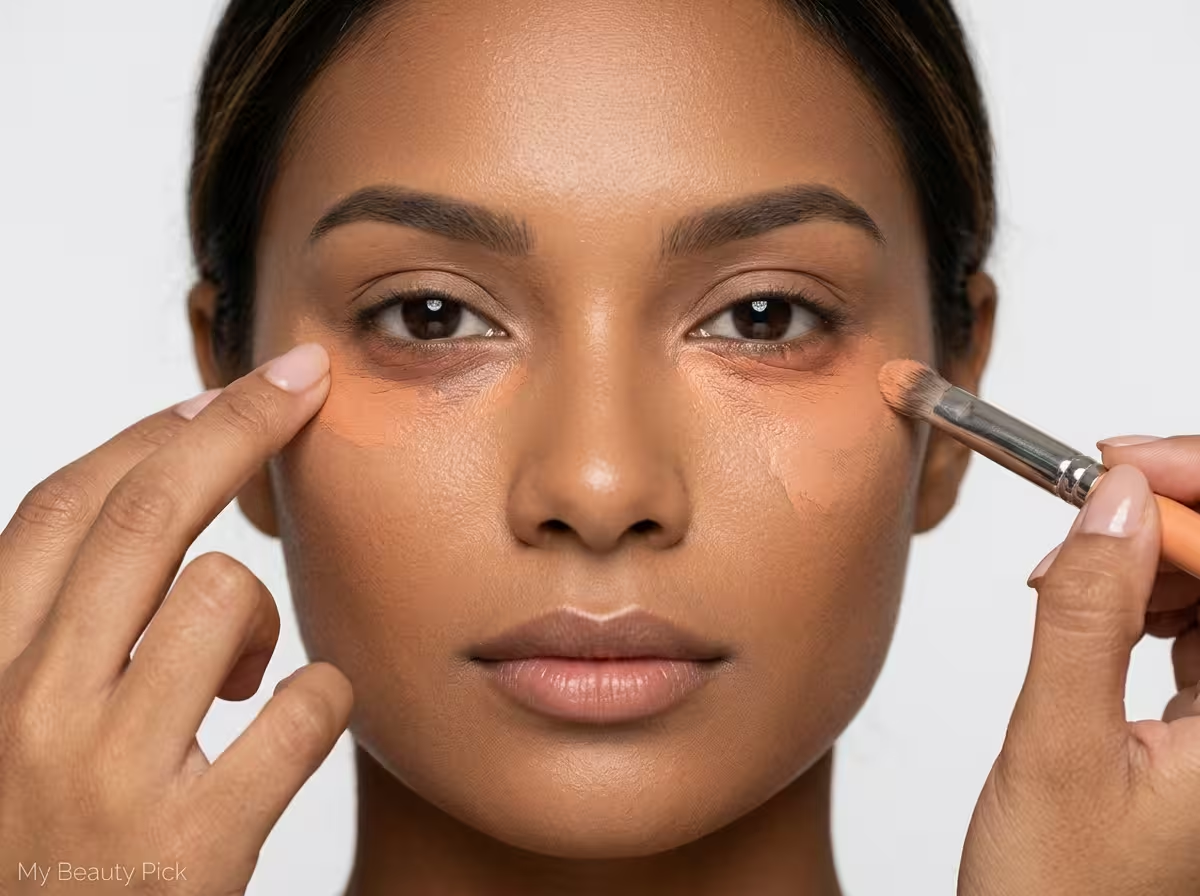
The under-eye area is where cakey bridal makeup is most visible on camera. Heavy concealer, baking, and the wrong corrector shade all read immediately in flash photography — and on tan skin specifically, the contrast between an over-brightened under-eye and the rest of the face is sharper than on lighter skin tones.
Works on Camera
- Peach or orange corrector applied in a thin layer before concealer
- Lightweight concealer one shade brighter than foundation — not two or three
- Pressed lightly with a damp sponge, not rubbed or blended aggressively
- Minimal setting powder — only what is needed to prevent creasing
- Eye cream applied and fully absorbed at least 20 minutes before makeup
Causes Cakey Look
- Concealer three or more shades lighter than skin tone
- Heavy baking under the eyes with white translucent powder
- Dry, dehydrated under-eye skin (concealer cracks and settles into lines)
- Skipping color correction and layering thick concealer to compensate
- Setting spray applied directly after powder before it has set
Undertone Rule
Tan skin dark circles are usually blue-purple. An orange or peach corrector neutralizes them before concealer goes on, which means you need less product overall and avoid the heavy layered look that bakes into lines. For warm tan undertones, lean orange. For cooler tan tones, use peach.
Blush, Bronzer and Contour That Enhance Tan Skin in Wedding Photos
Dimension is what separates a bridal face that looks alive in photos from one that looks flat. But on tan skin, the wrong contour or blush shade can look harsh, cool, or completely disconnected from the skin in flash photography.
| Product | Photographs Beautifully | Avoids on Camera |
|---|---|---|
| Blush | Peach, terracotta, warm rose, soft coral — applied to the apples and swept lightly upward | Cool-toned pink or berry blush (reads disconnected from warm tan undertone in flash) |
| Bronzer | Warm matte bronzer one to two shades deeper than skin — applied to temples, cheekbones, and jaw to add warmth and depth | Orange shimmer bronzer or over-bronzing that looks dirty rather than sun-kissed on camera |
| Contour | Soft warm-toned contour (taupe-brown, not grey) blended with no hard edges — cream first, powder on top | Cool grey contour kits (designed for fair skin), or over-structured sharp lines that look unnatural in close-up photos |
| Highlight | Subtle champagne or warm gold on cheekbone tip, brow bone, and cupid’s bow only | Heavy glitter or chunky shimmer highlight — reflects flash in unpredictable directions and looks blown-out in photos |
Pro Tip
Layer cream blush under powder blush rather than using one alone. Cream gives natural color payoff that moves with the skin. Powder extends it and prevents fading. Together, they hold through ceremony and reception better than either product used alone — and read beautifully in both flash and ambient light.
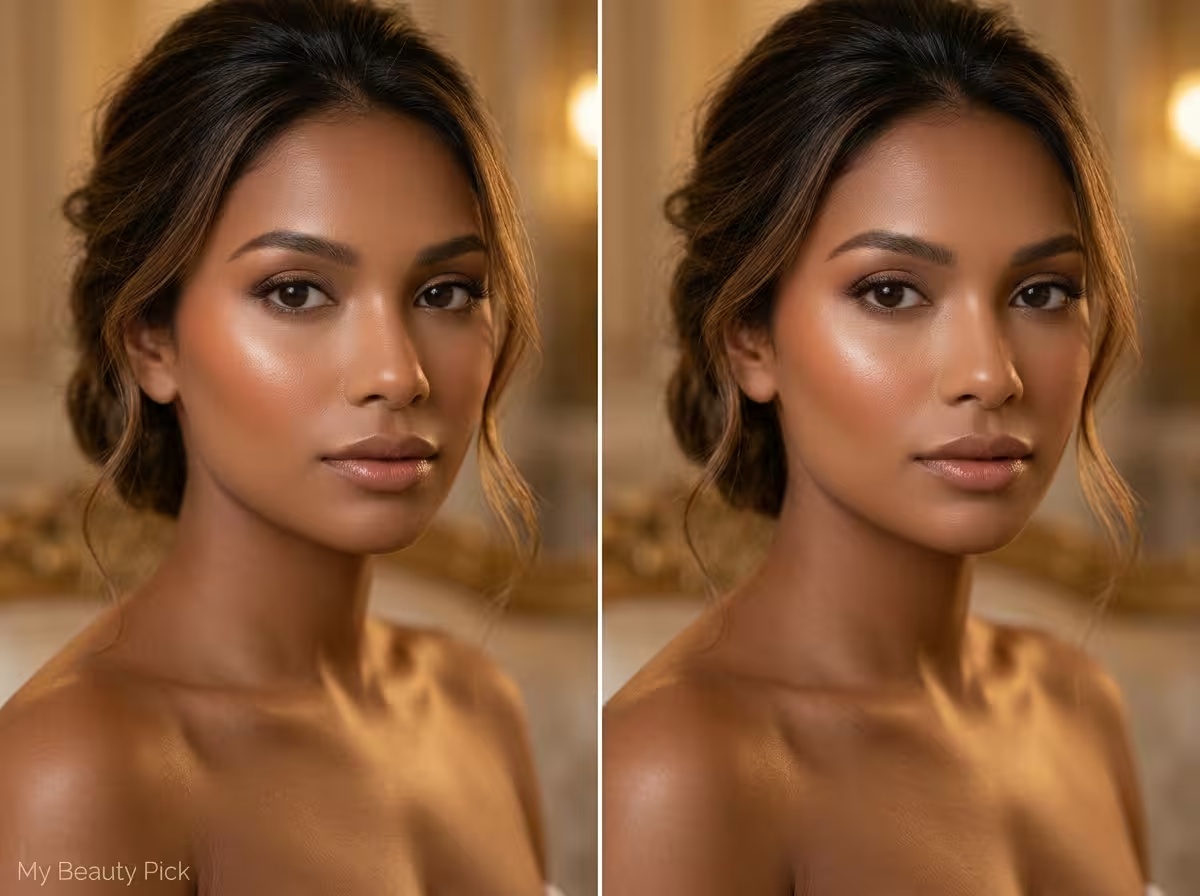
Eye Makeup for Tan Skin Brides That Looks Stunning in Photos
The eye look is where tan skin brides have a genuine advantage. Warm bronze, copper, and brown smokey eyes complement the golden depth in tan skin in a way that lighter skin tones have to work harder to achieve. The challenge is avoiding the common camera-specific mistakes that turn a beautiful eye look into something flat or overwhelming on film.
Works on Camera
- Warm bronze, copper, or soft brown smokey eye — depth at the outer corner, lighter in the center
- Well-defined lashes without clumping — individual lash application if possible
- Soft warm shimmer on inner corners to brighten without overwhelming
- Brown or deep plum liner rather than stark black on lower lash line
- Blended transitions — no harsh lines between eyeshadow shades
- Mascara from root to tip with a clean brush between coats
Fails on Camera
- Heavy black smokey eye that overpowers warm tan features and reads as flat in photos
- Over-glittered lids — chunky glitter reflects flash unpredictably and looks messy
- Harsh unblended cut-crease on tan skin (reads more severe in photos than in person)
- Clumpy lashes — visible in every close-up shot
- Cool grey or lavender eyeshadow on warm-undertoned tan skin (clashes in photos)
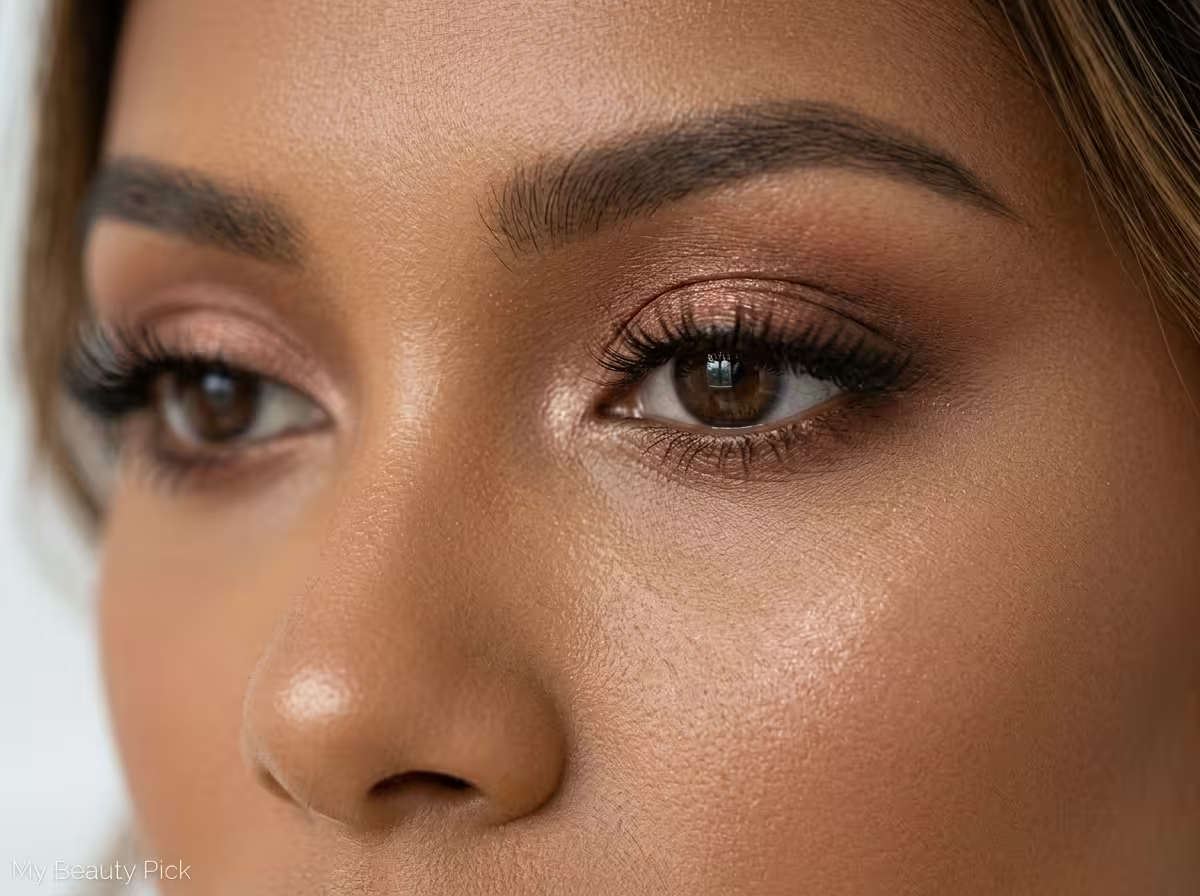
Lip Colors That Photograph Beautifully for Tan Skin Bridal Makeup
Lip color choice on a wedding day is both a personal and a practical decision. The shade has to read on camera, hold through ceremony and reception, and complement the warmth of tan skin rather than washing it out or fighting against it.
Best for Tan Skin Brides
- Warm nude — caramel, warm beige, or golden nude that reads like skin but richer
- Rosy brown or terracotta for a day look that photographs softly
- Brick red or warm burgundy for evening or deep contrast bridal looks
- Satin or soft matte finish — visible without reflecting flash excessively
- Lip liner one shade deeper than the lipstick for definition and extended wear
Avoid for Photography
- Grey-beige nude — disappears or looks washed out on tan skin in photos
- Cool-toned pink or lavender nude — clashes with warm undertone on camera
- Extremely dry matte lip — cracks and patches, visible in every close-up
- Heavy gloss — reflects flash directly, creates a blown-out center in photos
- Lip color significantly lighter than your skin tone — reads as poorly matched
Test Before the Day
Photograph your lip color under flash before committing to it for the wedding. Warm nudes that look perfect in daylight can read lighter than expected in flash, while deep shades can lose saturation. The test takes two minutes and prevents a full-day regret.
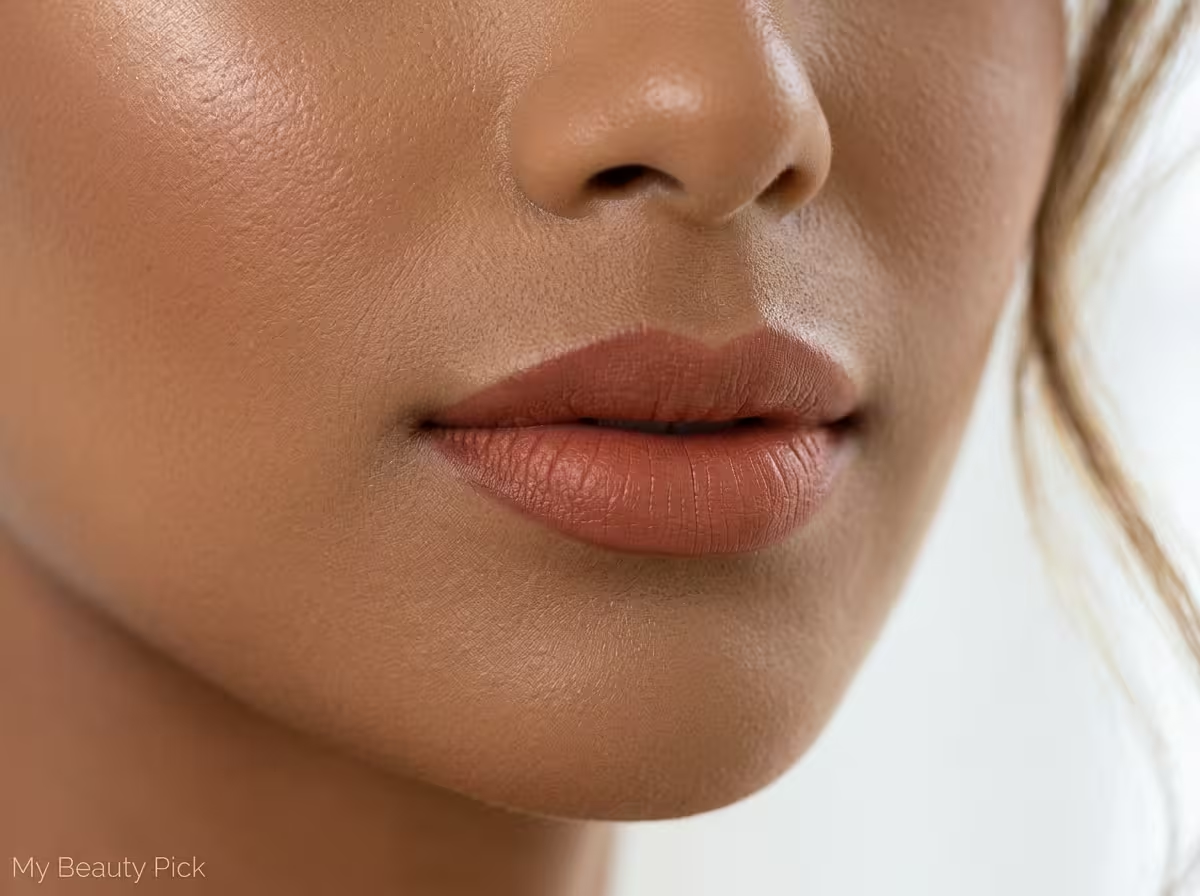
Skin Prep Before Wedding Makeup for Tan Skin Brides
What the skin looks like under the makeup matters as much as the products applied on top. Non-cakey foundation for weddings starts with skin preparation, not product selection. The best formulas in the world will crease, separate, and oxidize faster on skin that is dehydrated, over-exfoliated, or sitting on top of a heavy unabsorbed moisturizer.
| Timeline | Prep Step | Why It Matters for Tan Skin |
|---|---|---|
| 1 week before | Full skin test in wedding makeup under flash | Catches oxidation, flashback, or undertone issues before it is too late to adjust |
| 3 days before | Gentle exfoliation — not aggressive chemical peel | Removes dead skin that causes foundation to sit unevenly, without triggering post-inflammatory hyperpigmentation common in tan skin |
| Night before | Barrier-friendly moisturizer and no new active ingredients | A calm, hydrated skin surface prevents foundation from oxidizing and setting into texture |
| Morning of | Allow moisturizer and SPF to fully absorb before primer — minimum 10 minutes | Unabsorbed products beneath foundation accelerate oxidation and breakdown on tan skin |
| Morning of | Use SPF in skincare, not foundation — or use chemical SPF filters only | Titanium dioxide and zinc oxide in foundation cause white flashback in photos on tan skin |
Pro Tip
Do not try anything new on your skin in the 72 hours before your wedding. New actives, new moisturizers, and new SPF formulas can cause reactions that take days to settle. Stick with products your skin already knows.
Our full guide on how to prep tan skin for a flawless foundation finish goes deeper on the exact routine, including which ingredients support the acid mantle and which to avoid before heavy makeup wear.
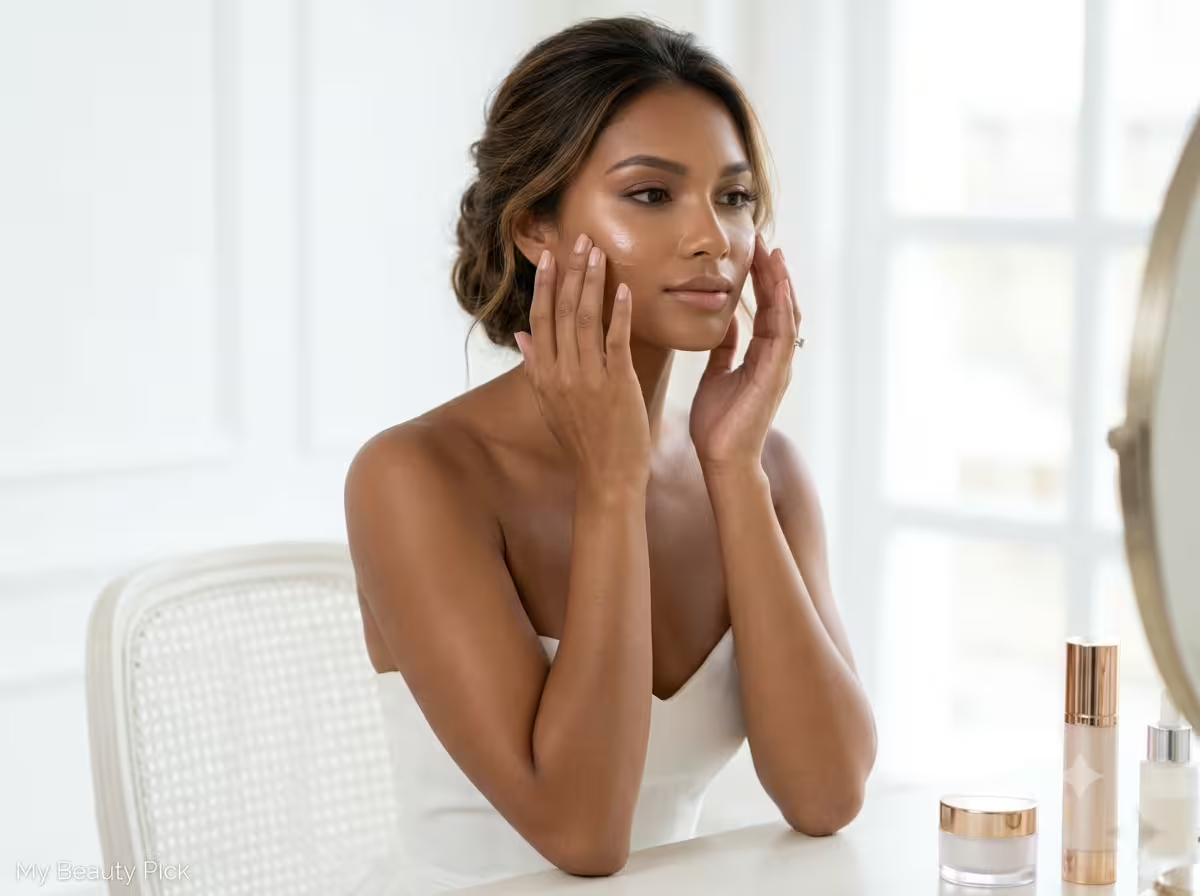
Photography Lighting Mistakes That Ruin Bridal Makeup on Tan Skin
Makeup that photographs well is designed with light in mind, not just the mirror. Most bridal makeup failures on tan skin happen not because of the products used but because the lighting conditions on the day were not accounted for during the trial.
What Helps
- Test photos under flash before the wedding day — both indoor and outdoor
- Ask your photographer what kind of lighting they use at the venue
- Use a satin or dewy finish to add natural light reflection on tan skin
- Keep highlight subtle and concentrated — cheekbone tip only
- Have your makeup artist photograph you before leaving for the venue
What to Avoid
- Harsh direct flash at close range — flattens dimension and causes flashback
- Yellow indoor lighting without testing how it affects your undertone on camera
- Overexposed outdoor midday shots without oil-control products in place
- Assuming what looks correct in the mirror will translate directly to photos
Pro Makeup Artist Rules for Tan Skin Brides
These are the principles that professional makeup artists follow when working with tan-skinned brides specifically — and the ones most often skipped in general bridal makeup guides.
| Rule | Why It Matters for Tan Skin |
|---|---|
| Match undertone first, depth second | The right undertone on the wrong depth reads better on camera than the right depth on the wrong undertone |
| Never use grey-based contour kits | Grey contour is formulated for fair skin. On tan skin it looks disconnected, not sculpted, especially in photos |
| Layer cream before powder throughout | Cream products move with the skin and add dimension. Powder alone sits on top and reads flat on camera |
| Test under flash at the trial | The trial is the only opportunity to catch flashback, oxidation, or undertone issues before the wedding |
| Set the T-zone only — not the full face | Full-face powder setting is the main cause of cakey bridal photos on tan skin |
| Use a skin-tinted setting spray as the final step | A setting spray melts the layers together and removes the powdery finish that reads as texture in photos |
Final Bridal Makeup Checklist for Tan Skin Brides
Camera-Ready Bridal Checklist for Tan Skin
- Foundation matched to undertone — warm, neutral-warm, or olive — not just depth
- SPF applied in skincare step only — SPF-free or chemical-SPF foundation chosen
- Foundation built in thin layers — satin or dewy finish for photography
- Peach or orange corrector used under concealer for under-eye darkness
- Concealer one shade lighter only — no heavy brightening or baking
- Warm-toned blush — peach, terracotta, or warm rose applied to cheeks
- Warm-toned matte bronzer for depth — no cool grey contour
- Subtle warm gold highlight on cheekbone tips and brow bone only
- Eye look in warm bronze, copper, or soft brown — fully blended
- Lip shade tested under flash before the wedding day
- T-zone set with powder — rest of face left dewy or set with setting spray only
- Flash test photo taken before leaving for the venue
Frequently Asked Questions
What foundation finish photographs best for tan skin brides?
Satin and dewy finishes photograph most naturally on tan skin because they reflect light in a way that reads as real skin rather than product. Matte foundations absorb light and can look flat or dull in photos, amplifying the natural light-absorbing quality of melanin-rich skin.
Why does my foundation look different in wedding photos versus in the mirror?
Camera flash interacts with products differently than ambient or mirror lighting does. SPF ingredients cause white flashback, heavy powder reflects flash as a grey cast, and undertone mismatches that are subtle in person become visible in photos. Testing makeup under flash before the wedding is the only way to catch these issues.
What blush color works best for tan skin in wedding photos?
Peach, terracotta, warm rose, and soft coral blushes photograph most naturally on tan skin. Cool-toned pinks or berry shades can look disconnected from warm tan undertones in flash photography.
How do I prevent foundation from oxidizing on my wedding day?
Use a silicone-based primer to create a barrier between skin oils and the foundation, allow skincare to fully absorb before application, choose a silicone or long-wear formula over a water-based one, and go half a shade lighter than your exact match. Setting with powder immediately after application also slows the oxidation process.
What lip color looks best on tan skin brides in photos?
Warm nudes in caramel or golden beige, rosy browns, terracotta, and brick red shades all photograph beautifully on tan skin. Grey-beige nudes and cool-toned pinks tend to read as washed out or mismatched against warm tan undertones on camera.
Should tan skin brides use SPF in their foundation?
No — for photography. Physical SPF ingredients like titanium dioxide and zinc oxide cause white flashback in photos on tan skin, where the contrast between the reflective product and the natural skin depth is much more visible than on lighter skin. Apply SPF in your skincare step and choose an SPF-free foundation, or use a formula with chemical SPF filters only.
The Bottom Line
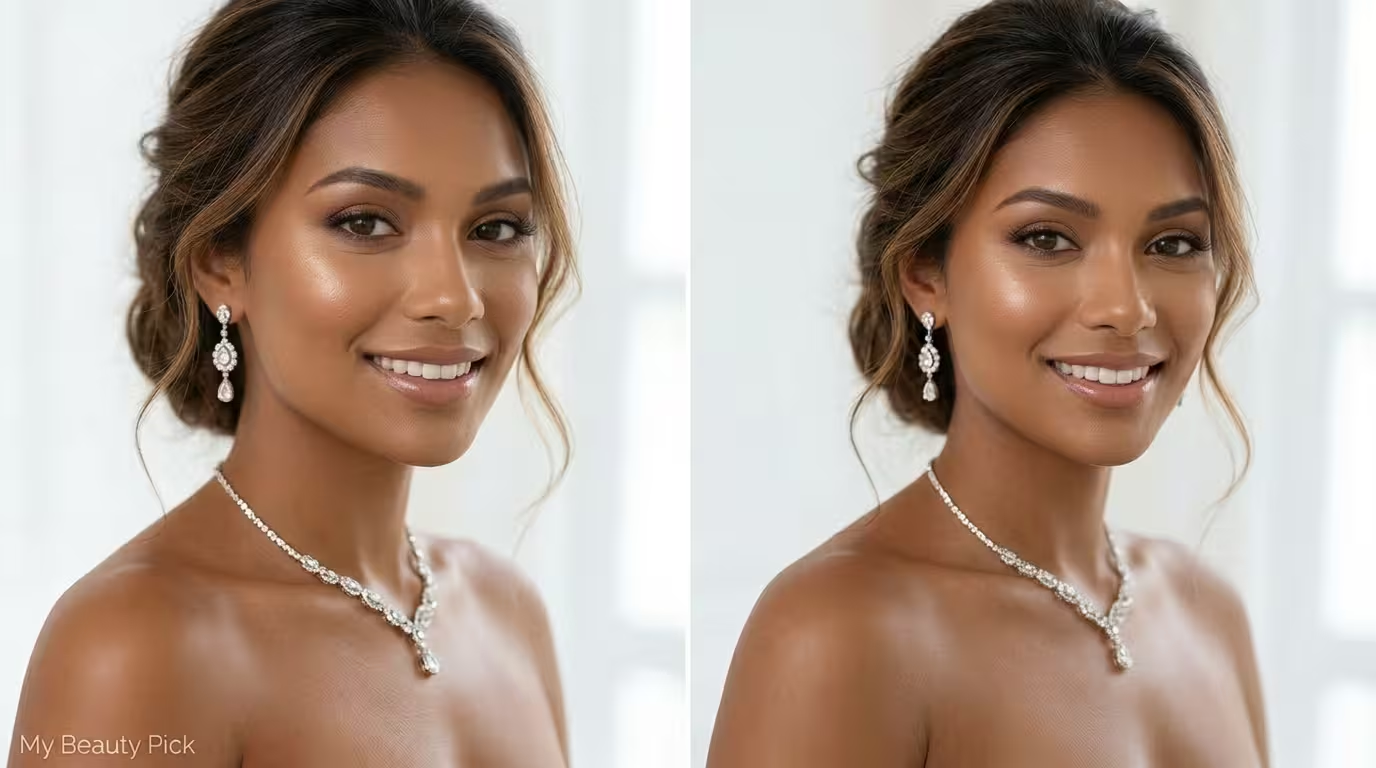
Wedding makeup for tan skin brides that photographs beautifully is built on warmth and dimension, not heavy coverage. The brides whose skin looks flawless in every photo are almost always wearing less product than expected — applied in precise layers, matched to their undertone, and tested under flash before the day.
The cakey bridal look on camera comes from the same mistakes repeated across every product category: wrong undertone in foundation, too much powder, physical SPF causing flashback, and cool-toned contour that reads as grey against warm tan skin. Address each of these and the camera-ready bridal look takes care of itself.
Start by getting your undertone right using our guide to undertones for tan skin, then build your shade selection from our foundation shade guide for tan skin. If oxidation is a concern, our full breakdown of why foundation oxidizes on tan skin covers how to prevent it for a long wear day like a wedding.
Related Reading
- Undertones Explained: Warm vs. Neutral vs. Cool for Tan Complexions
- How to Find Your Perfect Foundation Shade for Tan Skin
- Why Your Foundation Oxidizes on Tan Skin (and How to Fix It)
- How to Prep Tan Skin for a Flawless Foundation Finish
- Blush, Bronzer and Highlight Shades That Work Best on Tan Skin
- How to Build a Makeup Routine for Tan Skin That Actually Glows