

Two products, one question that trips up almost everyone — which one do you actually need, and what’s the difference?
You’re standing at your vanity, two products in hand, not totally sure which one does what. If you’ve ever reached for concealer to cover your whole face — or dabbed foundation under your eyes hoping it’ll hold — you’re not alone.
The concealer vs foundation debate trips up a lot of people, and it makes sense why. Both products match your skin tone, both blend seamlessly, and both promise coverage. But they’re built for completely different jobs, and using them the wrong way shows on your skin by noon.
Here’s what each one actually does, when to use it, and whether your routine genuinely needs both.
Concealer vs Foundation — What’s Actually Different?
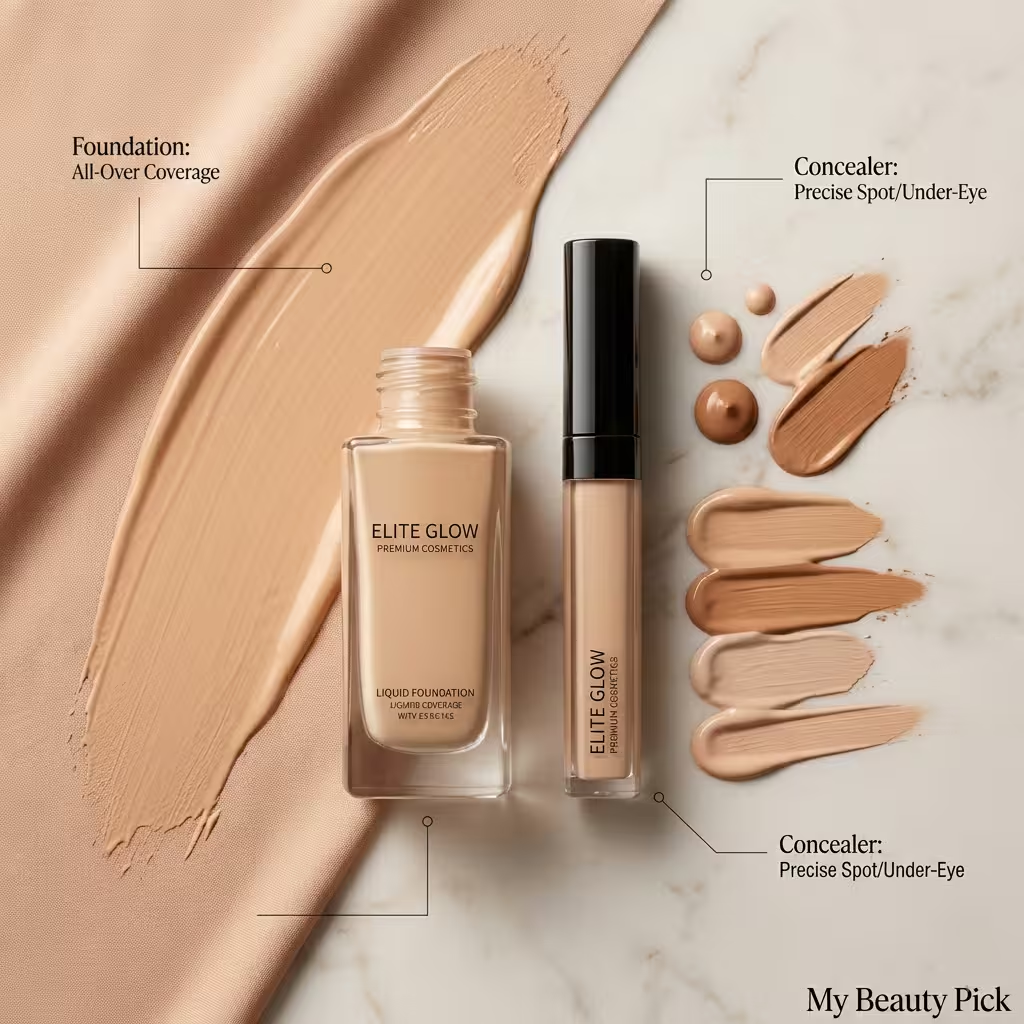
The simplest way to think about it: foundation covers your canvas, concealer fixes the details.
Foundation is designed to go across your entire face. It evens out your skin tone, softens redness, and creates a consistent base for the rest of your makeup. Concealer is a higher-pigment product built for small, targeted areas — dark circles, blemishes, spots, or patches that foundation didn’t fully cover.
The key differences come down to three things: pigment concentration, texture weight, and the area they’re meant to cover. Concealer holds more pigment per drop. That’s what lets it knock out a dark circle with one or two pats instead of five layers. Foundation is lighter by design — it needs to spread across your entire face without feeling heavy or mask-like.
Quick summary: Foundation = all-over base for even skin tone. Concealer = targeted, high-pigment correction for specific problem areas. They are not the same product, and swapping them creates coverage issues that are hard to fix once you’ve applied your full look.
Foundation — What It Does and When to Use It
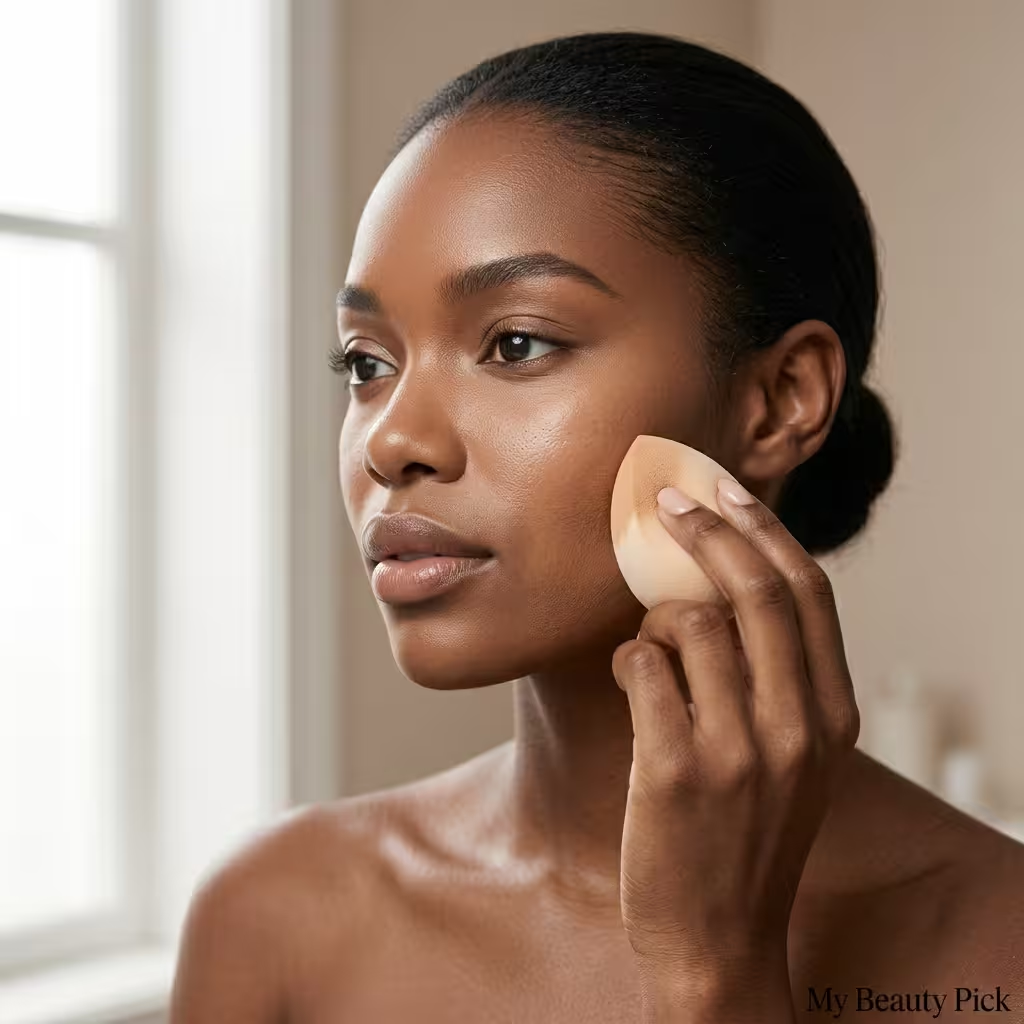
Foundation creates a uniform base across your skin. It comes in sheer, medium, and full coverage options, and finishes ranging from matte to dewy to satin. You match it exactly to your skin tone — not lighter, not darker. The goal is for it to disappear into your skin while correcting uneven texture and tone across the whole face.
Real-life scenario: Your skin looks blotchy, red, or uneven before an event. Foundation smooths all of that out in one step and gives your other makeup something consistent to sit on.
Foundation is also where undertone matching matters most. Getting your undertone wrong — picking something too pink or too yellow — is the reason foundations end up looking grey or orange on skin. If this is something you’ve struggled with, it’s almost always an undertone issue rather than a shade depth issue.
Related ReadingUndertones Explained: Warm vs. Neutral vs. Cool for Tan Complexions →
Concealer — What It Does and When to Use It
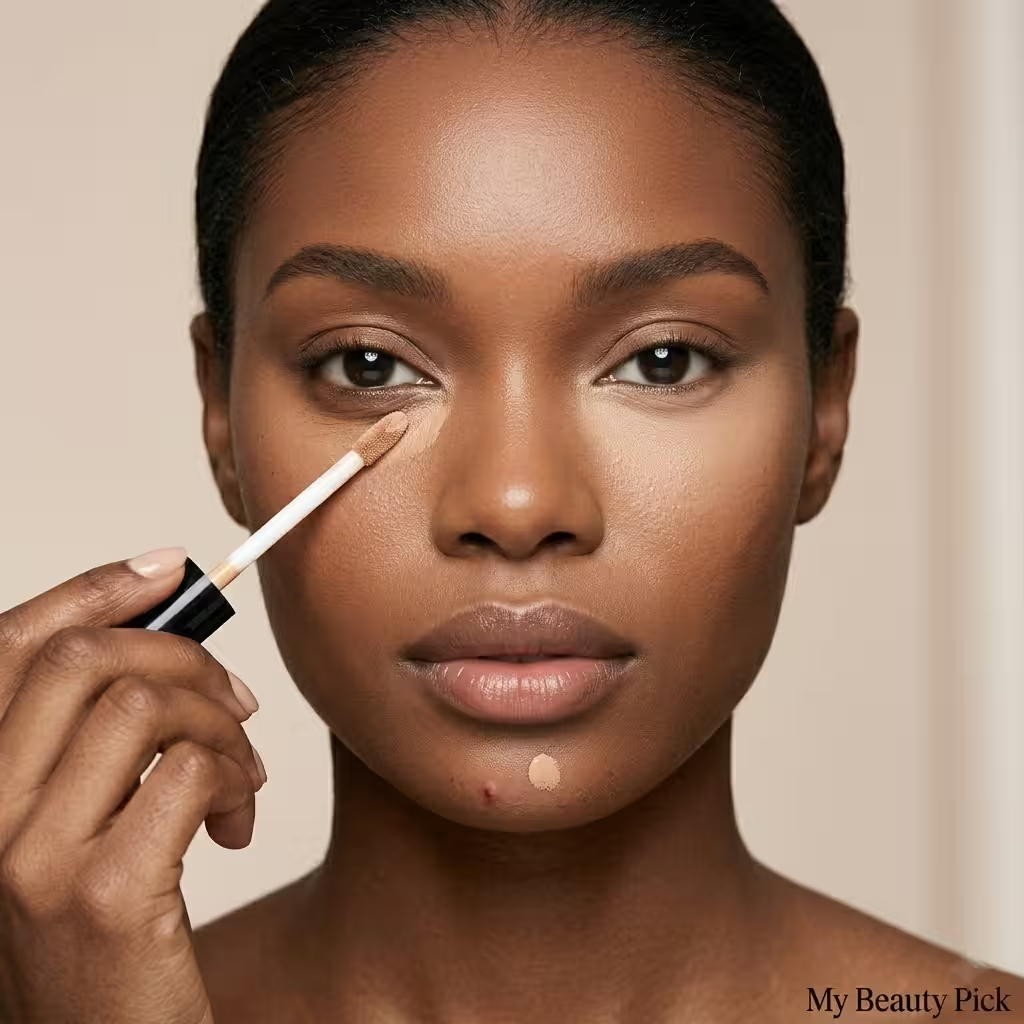
Concealer is not a mini version of foundation. It contains a higher pigment concentration, which allows it to cover dark circles, blemishes, and redness with less product. Because of this, using it across your full face feels heavy and unnatural.
Concealer shades also work differently from foundation shades. Under-eye concealers are typically 1–2 tones lighter than your skin to brighten the eye area. For spot coverage on blemishes or redness, you’d match it to your exact skin tone instead.
Real-life scenario: You’ve applied foundation, but a breakout still shows through, or your under-eyes still look hollow and shadowed. That’s where concealer steps in — it covers what foundation couldn’t handle alone.
Difference Between Concealer and Foundation — A Practical Breakdown
| Foundation | Concealer | |
|---|---|---|
| Coverage area | Full face | Targeted spots only |
| Pigment level | Medium | High |
| Texture | Lightweight, blendable | Thicker, creamier |
| Shade match | Exact skin tone | Slightly lighter (under-eye); match for spots |
| Best for | Even complexion, base coverage | Dark circles, blemishes, redness |
| Application tool | Brush or sponge | Finger, brush, or wand tip |
| Finish | Matte, dewy, or satin | Usually more matte and set-ready |
One thing worth noting: texture clashing is a real problem when mixing the wrong formulas. Cream concealer over powder foundation, for example, can pill and shift. And if you’re working with deeper or tan skin tones, undertone mismatches between your foundation and concealer become especially visible — one can cancel out the other and make coverage look patchy.
Foundation vs Concealer — Which One Goes First?
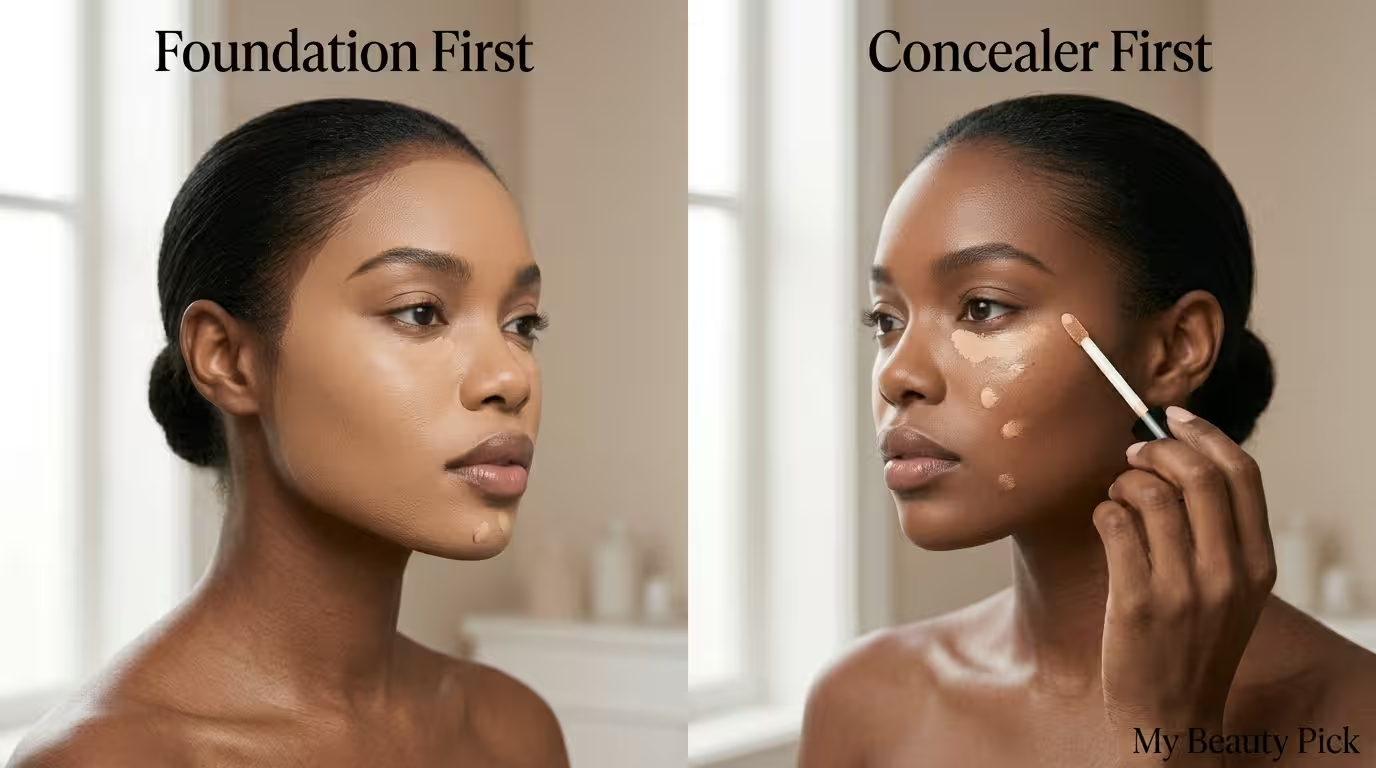
This is the question that follows almost every explanation of what each product does.
Standard method: foundation first, then concealer. Apply your base across the whole face, then use concealer only where you still need coverage. This approach uses less product overall because foundation handles most of the work — concealer only fills in what’s left uncovered.
Reverse method (increasingly popular): Apply concealer under the eyes first, set it lightly with powder, then apply foundation around it. This prevents the “creasing” that happens when foundation disrupts freshly applied under-eye concealer. Many makeup artists prefer this order specifically for clients with persistent under-eye creasing.
If your under-eye concealer creases by midday, try this: apply it after foundation instead of before. Then set it immediately with a light translucent powder using a small fluffy brush, not a sponge. Pressing powder in — rather than sweeping it — locks the concealer without disturbing the coverage.
Is Concealer the Same as Foundation? (The Direct Answer)
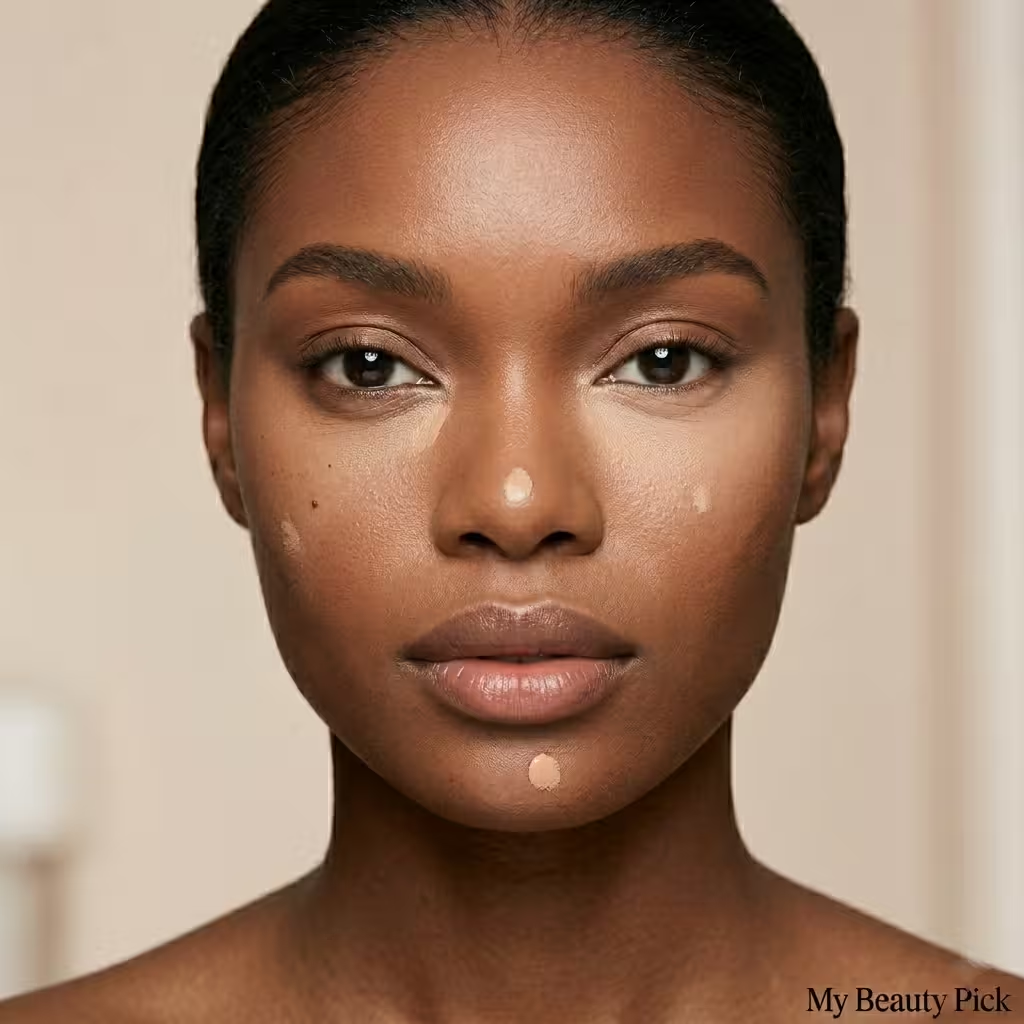
No — but here’s exactly why it’s easy to confuse them.
Both are skin-coverage products. Both come in shades matched to your skin tone. Both blend into the face and create an even-looking surface in the area where they’re applied. That’s where the similarity ends.
Concealer is not interchangeable with foundation. Using concealer all over the face consistently leads to either a heavy, mask-like finish or excessive product use that still doesn’t cover the way foundation would. Using foundation under the eyes instead of concealer usually leaves dark circles partially visible because the pigment isn’t concentrated enough to do the job.
The exception: On minimal-makeup days with clear skin, you can skip foundation and use concealer only where needed — dark circles, a spot, or mild redness. It won’t look like a full-coverage base, but it works well for a natural, light-touch finish. This is where your overall skin prep does most of the heavy lifting.
Concealer vs Foundation — Do You Actually Need Both?
Honest answer: no, you don’t always need both. But having both gives you the most control over your coverage.
When foundation alone is enough: Your skin tone is mostly even, you have minimal dark circles, and blemishes are rare. Foundation handles what you need.
When concealer alone works: Your skin is generally clear and even, you just want to brighten under your eyes or cover one or two spots without a full base. This is a common choice for no-makeup makeup looks or everyday routines with good skin prep.
When you genuinely need both: You have dark circles plus uneven skin tone plus blemishes. Each product handles a different layer of the problem — foundation creates the even base, concealer corrects what’s left. Using only one means either over-applying it (which looks heavy) or accepting partial coverage (which doesn’t look finished).
In most cases, you don’t need both on every day — but using both gives more control over coverage, especially for events, photos, or days where your skin isn’t cooperating.
Budget tip: If you’re choosing only one, pick based on your biggest skin concern. Uneven skin tone overall → start with foundation. Dark circles or spots only → start with concealer.
Choosing the Right Formula for Your Skin Type
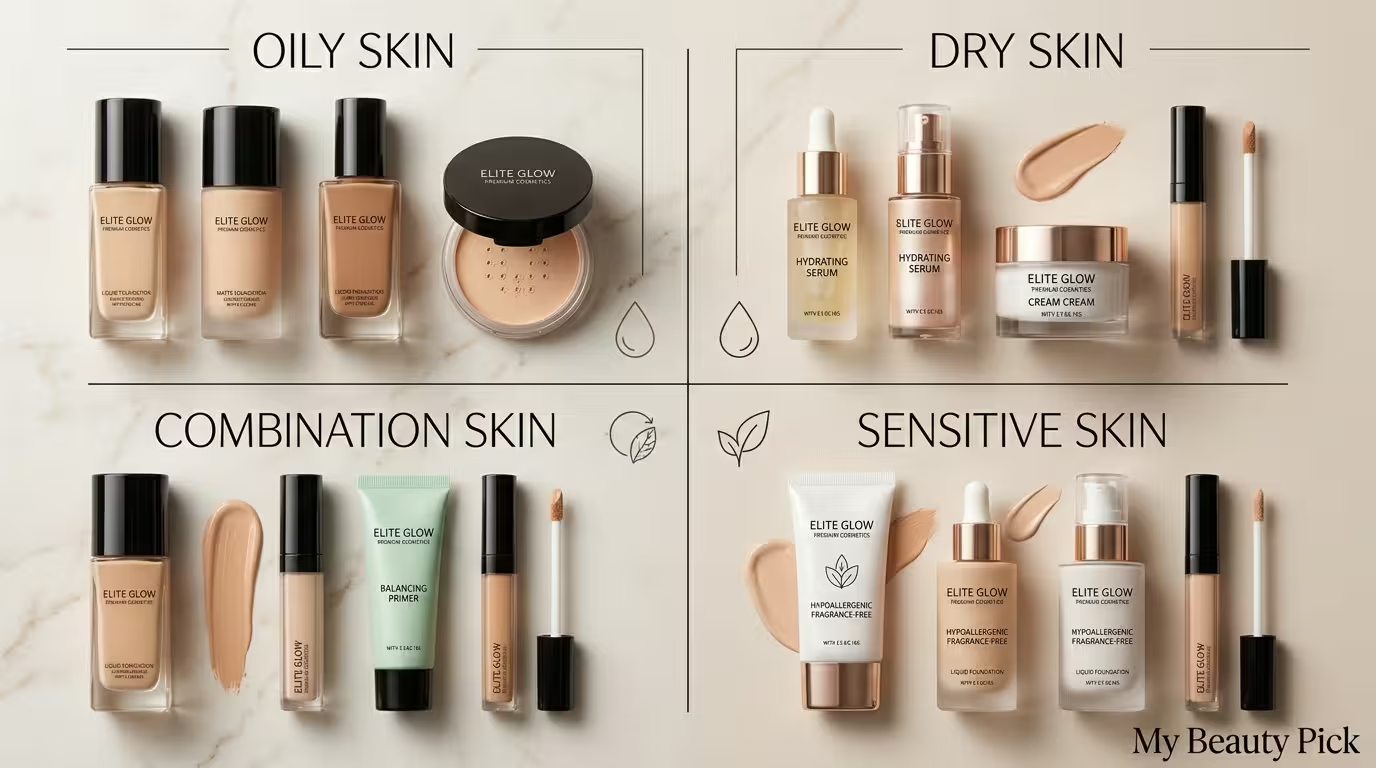
Oily Skin
Go matte or oil-control for both. A dewy concealer under the eyes on oily lids will migrate into fine lines within a couple of hours. Look for “long-wear” or “oil-free” on both labels and always set with a translucent powder.
Dry Skin
Choose hydrating or serum-based foundations. Avoid powder concealers under the eyes — they settle into fine lines almost immediately on dry skin. Cream or liquid concealers with a moisturizing formula give a smoother, more forgiving finish.
Combination Skin
Zone-based application works best. A lightweight matte foundation on the T-zone and a slightly more emollient formula on the cheeks. Pair with a medium-coverage liquid concealer that can handle both oily and drier areas without pulling.
Sensitive Skin
Fragrance-free, minimal-ingredient formulas for both products. Patch-test new base makeup on the jawline before applying to the full face. Mineral-based formulas tend to sit better on reactive skin.
Related ReadingHow to Prep Tan Skin for a Flawless Foundation Finish →
Common Mistakes When Using Concealer and Foundation Together
- Too much concealer under the eyes. More product doesn’t mean better coverage here — it means more creasing. Use less than you think you need, pat with your ring finger (lightest pressure), and build only if necessary.
- Not blending concealer edges into foundation. This leaves a visible ring around the covered area. Always blend outward until there’s no visible line between the two products.
- Picking a concealer that’s too light. A concealer significantly lighter than your skin tone doesn’t brighten under the eyes — it creates a grey or ashy patch that’s highly visible in photos. Go 1–2 shades lighter at most, and make sure the undertone matches your foundation.
- Skipping setting powder on concealer. Concealer without powder migrates and folds into expression lines, especially under the eyes. A light press of translucent powder is what holds it in place throughout the day.
- Applying either product over dry, flaky skin. No coverage product looks smooth on unprepared skin. Moisturize, let it absorb, and use a primer if needed before applying any base makeup.
Also useful Why Foundation Oxidizes on Tan Skin — and How to Fix It
Frequently Asked Questions
Is concealer the same as foundation?
Can I use concealer instead of foundation?
Can I use foundation as a concealer?
What’s the difference between concealer and foundation coverage?
Which goes on first — concealer or foundation?
Do I need both concealer and foundation in my routine?
The Bottom Line on Concealer vs Foundation
Foundation and concealer are built for different jobs. Foundation creates the even base across your skin — it’s the canvas. Concealer corrects specific problems that foundation can’t handle on its own, with targeted, high-pigment coverage where you actually need it.
They’re not interchangeable, and using one in place of the other consistently leads to coverage that either looks heavy or doesn’t fully work. But you don’t always need both. Your skin concerns, your coverage goals, and the occasion determine which one — or both — belongs in your routine.
If you’re building your base makeup from scratch, start with the product that solves your biggest daily concern. Then add the second product once you understand how your skin responds. Understanding the real difference between concealer and foundation is the first step to a base that actually works for your skin.
More from MyBeautyPick: